
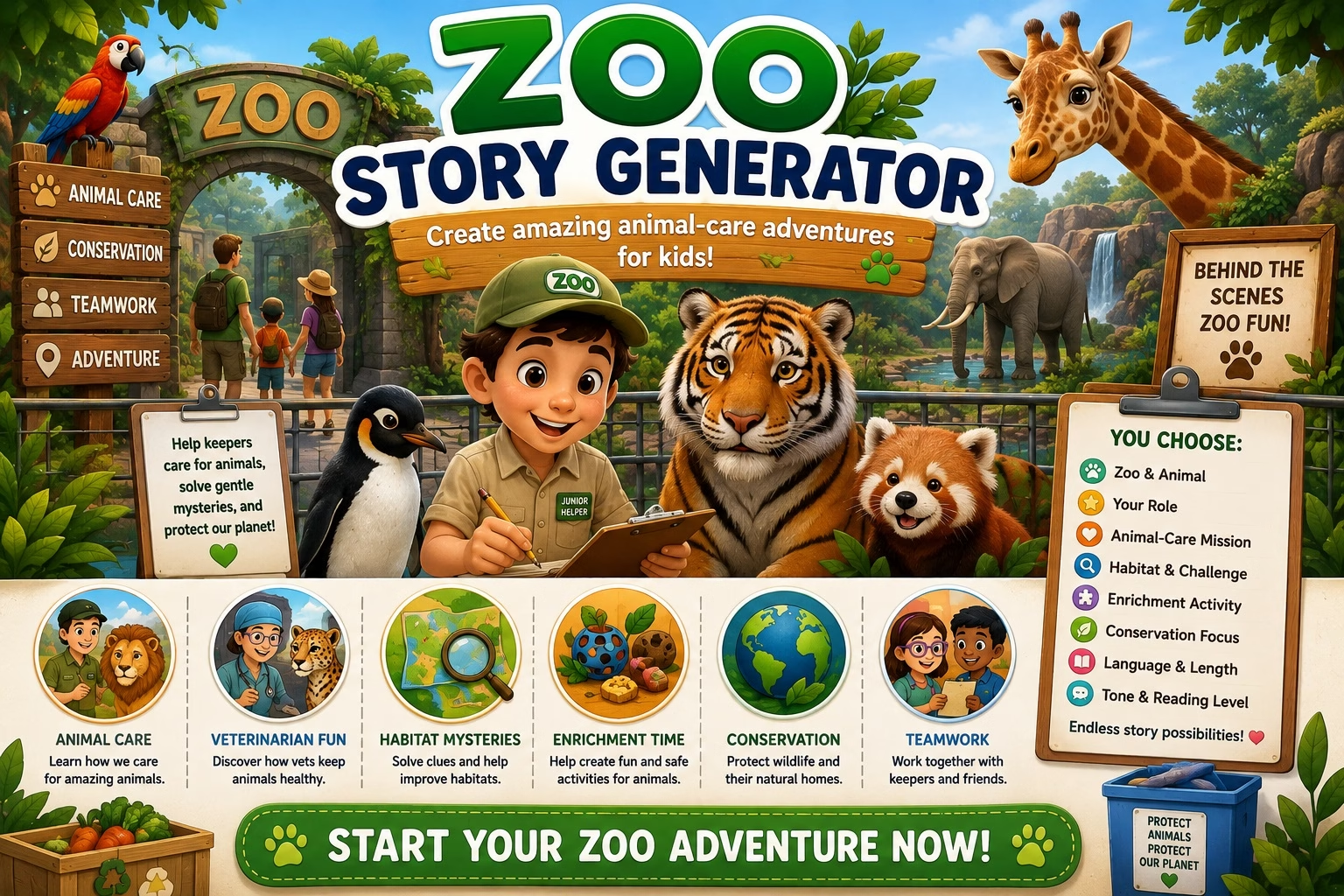
Zoo Story Generator
Create a fun, personalized zoo story for kids with animal-care missions, keepers, veterinarians, enrichment activities, habitats, conservation, and behind-the-scenes adventures.
AI Zoo Story Generator for Kids
Our AI zoo story generator helps you create a personalized animal-care adventure for kids. Choose the zoo, animal, child role, keeper, habitat, care mission, enrichment activity, conservation lesson, story length, language, tone, and reading level.
The child might become a junior zoo keeper helper, animal behavior observer, habitat detective, wildlife reporter, conservation researcher, zoo photographer, enrichment designer, or visitor education helper.
Stories can include lions, elephants, giraffes, penguins, red pandas, gorillas, reptiles, birds, marine animals, rescued wildlife, and many other zoo species.
Create stories involving keepers, veterinarians, habitats, behavior observations, feeding plans, and enrichment activities.
Add wildlife protection, habitat care, visitor education, rescue-center work, recycling, and endangered-species themes.
Create zoo stories in English, Spanish, French, German, Italian, Portuguese, Dutch, or Arabic.
Create a Personalized Zoo Story
A personalized zoo story places the child inside a supervised wildlife-care mission. They might help prepare an educational display, study animal footprints, update a habitat map, organize enrichment materials, observe a routine health check, or solve a gentle mystery involving keeper records.
The child remains active without entering enclosures or handling wild animals. They can observe, record, organize, draw, compare clues, prepare signs, and work beside trained zoo professionals.
You can create a realistic zoo adventure, animal-care mystery, wildlife hospital story, conservation mission, rescue-center tale, zoo bedtime story, or imaginative talking-animal adventure.
How the Zoo Story Generator Works
Start by choosing the zoo type, main animal, animal group, personality, child role, habitat, time of day, care mission, keeper, partner, enrichment, habitat challenge, behavior clue, conservation theme, welfare choice, lesson, ending, language, and story length.
A penguin enrichment story will feel different from an elephant habitat mystery, red panda observation mission, reptile-house adventure, or wildlife-hospital story about organizing records for a routine check.
The AI uses your selections to create a clear beginning, supervised mission, animal-behavior clues, teamwork scene, welfare decision, conservation message, gentle twist, and satisfying ending.
Useful details to choose before generating
- The child’s name and age group
- The zoo type and main animal
- The child’s zoo role
- The keeper or wildlife expert
- The habitat and animal-care mission
- The enrichment activity
- The habitat challenge and behavior clue
- The conservation and welfare focus
- The lesson and ending style
- The language, tone, reading level, and story length
Zoo Stories for Kids
Zoo stories for kids can help children explore animal behavior, habitats, conservation, veterinary care, enrichment, and the many people who work behind the scenes.
The generator can create zoo keeper stories, wildlife hospital adventures, animal rescue tales, habitat mysteries, enrichment missions, conservation stories, aquarium adventures, safari park stories, and gentle bedtime zoo tales.
The animal remains central, but the story also shows how keepers, veterinarians, nutritionists, researchers, gardeners, educators, and habitat teams work together.
Zoo Keeper Stories for Kids
A zoo keeper story can show how professionals prepare food, check habitats, observe behavior, maintain records, provide enrichment, and make changes when an animal needs more quiet or space.
The child might help update a checklist, sort safe materials, draw a habitat map, prepare visitor information, or observe from a protected keeper station.
Only trained staff enter enclosures, operate gates, prepare specialist diets, or work directly with wild animals.
Behind-the-Scenes Zoo Adventures
Behind-the-scenes stories can take place in enrichment workshops, food preparation areas, wildlife hospitals, keeper service routes, animal records rooms, conservation classrooms, and habitat-control stations.
The child may watch keepers prepare food, study habitat cameras, visit an enrichment workshop, observe a training session, or help arrange signs before the zoo opens.
These scenes give children a wider view of zoo work beyond the public viewing areas.
Animal Enrichment Stories
Animal enrichment gives zoo animals opportunities to explore, forage, climb, dig, investigate scents, use natural behaviors, and make choices.
A story might involve puzzle feeders, scent trails, floating toys, climbing platforms, natural branches, nesting materials, foraging activities, or a cooling water feature.
The animal does not need to use the enrichment immediately. Choosing to watch, move away, rest, or return later can also be a successful outcome.
Zoo Animal-Care Missions
An animal-care mission can involve preparing a habitat, organizing supplies, tracking behavior, welcoming a rescued animal, protecting a garden, updating records, or discovering why an animal prefers one part of its habitat.
The child can compare observations, follow keeper instructions, notice small clues, and help create a safer or more comfortable plan.
The mission may succeed through action, but sometimes the best decision is to wait, observe, reduce noise, or delay an activity.
Zoo Habitat Mystery Stories
A zoo mystery might begin with a missing notebook page, mixed-up food label, unusual footprint, loose water pipe, misplaced nesting material, or habitat camera facing the wrong way.
The child can examine keeper records, compare maps, check weather logs, observe animal behavior, and ask experts for help.
The final explanation remains harmless and realistic. The animal may simply prefer a new resting place, follow a seasonal behavior pattern, or react to a recent habitat change.
Wildlife Veterinarian Stories
Wildlife veterinarian stories can introduce routine health checks, animal records, professional care, teamwork, and careful observation without graphic medical scenes.
The child may help organize records, locate a missing file, observe from a safe area, or learn how veterinarians and keepers share information.
All examination, medicine, treatment, and direct animal contact remain the responsibility of trained professionals.
Animal Rescue Center Stories
A wildlife rescue story can focus on preparing a calm arrival area, arranging supplies, updating signs, protecting a quiet zone, or helping an animal adjust to unfamiliar surroundings.
The rescued animal may need privacy, routine, patience, veterinary care, or time before exploring a new habitat.
The child learns that helping wildlife does not always mean touching or approaching an animal. Quiet observation and following expert guidance may be the most useful choices.
Stories About Welcoming a New Zoo Animal
A new animal may arrive from another accredited facility or wildlife rescue center. The zoo team prepares records, habitat features, food plans, quiet areas, and observation schedules.
The child might help prepare information cards, compare the new animal’s needs with its habitat, or watch from a designated area as the animal begins exploring.
The animal does not need to appear confident immediately. A gentle ending may simply show it resting comfortably or investigating one new object.
Baby Animal Zoo Stories
A baby-animal story can focus on keepers preparing nesting areas, monitoring growth, creating safe spaces, and helping visitors understand why the family group needs quiet.
The child may help design a respectful viewing sign, update a growth chart, or learn how young animals develop skills from parents and their social group.
The story avoids graphic birth scenes, unsafe handling, or treating a baby wild animal like a household pet.
Big Cat Zoo Stories
Big cat stories can feature lions, tigers, cheetahs, snow leopards, or other wild cats. Missions may involve scent enrichment, climbing areas, shaded resting spaces, behavior observations, and conservation education.
The child may discover that the animal is resting rather than hiding, prefers a quiet part of the habitat, or explores enrichment when the viewing area becomes calmer.
Big cats remain wild animals and are never touched, ridden, hugged, or approached by children.
Elephant Zoo Stories
Elephant stories can explore mud wallows, pools, shade, social behavior, large habitats, positive-reinforcement training, and conservation work.
The child might help update a habitat map, compare footprints, prepare a visitor display, or observe how elephants use different areas during the day.
The story can highlight intelligence, social connections, individual choice, and the importance of suitable space and professional care.
Penguin and Polar Animal Stories
Penguin, polar bear, seal, and other cold-climate animal stories can feature pools, rocky spaces, cooling systems, feeding routines, waterproof feathers, swimming behavior, and climate conservation.
The mission might involve a habitat temperature record, floating enrichment item, missing observation card, or visitor lesson about protecting oceans.
The animal-care team adapts the plan according to weather, activity, and individual behavior.
Primate Zoo Stories
Primate stories can include gorillas, chimpanzees, orangutans, and smaller primates. Their habitats may feature climbing structures, ropes, platforms, natural materials, and opportunities for social choice.
The child might track which paths the animals use, study nesting behavior, or help create an educational display about rainforest conservation.
The story should not present primates as performers or encourage visitors to imitate, tease, or feed them.
Reptile House Stories
A reptile-house adventure can feature snakes, crocodiles, tortoises, frogs, or Komodo dragons in carefully managed habitats.
The mystery may involve a heated rock, humidity record, water area, feeding label, habitat sign, or animal choosing a different resting place.
Children observe from designated areas while trained reptile keepers manage all direct care.
Aquarium and Marine Zoo Stories
Aquarium stories can include sharks, octopuses, seals, sea lions, fish, penguins, dolphins, and other marine animals.
The child may help study water-quality records, follow clues around an underwater viewing window, design an ocean-conservation poster, or learn why plastic waste affects marine habitats.
Stories focus on observation, professional care, enrichment, conservation, and respect rather than animal performances.
Zoo Conservation Stories
A conservation mission can explore endangered species, rainforest protection, ocean health, wetland restoration, responsible recycling, native plants, wildlife rescue, and preventing illegal wildlife trade.
The child may create an information display, organize a conservation event, help visitors identify animal tracks, or learn how zoo research supports wildlife protection.
The story should connect zoo care with the species’ natural habitat rather than suggesting that conservation happens only inside zoos.
Visitor Education Stories
A visitor education story can help children understand why zoo rules matter. The mission may involve creating signs about quiet voices, barriers, animal feeding, photography, recycling, or habitat conservation.
The child may explain why visitors should not tap glass, climb fences, chase free-roaming birds, or offer animals human food.
Respectful visitor behavior can become a meaningful part of the story’s solution.
Animal Behavior Stories
Animal behavior clues may include where an animal rests, which path it follows, when it becomes active, which enrichment it explores, or how it stays near its group.
The child can record observations without immediately assuming something is wrong.
A keeper or behavior specialist can explain that unusual-looking behavior may be normal for the species, season, time of day, or individual animal.
Kid-Safe Zoo Adventures
The Zoo Story Generator keeps children within approved visitor, classroom, or supervised staff areas. They do not enter enclosures, open gates, feed animals, touch wildlife through fences, or perform professional animal-care tasks.
Zoo staff remain responsible for animal handling, veterinary care, specialist diets, habitat access, training, and safety decisions.
Animal Welfare Stories for Kids
Animal welfare means paying attention to health, comfort, behavior, social needs, habitat quality, and the animal’s ability to make choices.
The child may help the team notice that an animal needs more quiet, a different enrichment activity, another resting area, or extra time before a planned event.
The story can show that changing or delaying a plan is sometimes the most responsible outcome.
Zoo Teamwork Stories
Zoo care involves many different jobs. Keepers may observe behavior, veterinarians manage health, nutritionists plan diets, gardeners maintain habitat plants, educators work with visitors, and researchers study conservation questions.
The child can help connect information between teams, organize a map, update signs, or notice a clue that completes the picture.
The final success belongs to the whole team rather than one heroic character.
Zoo Bedtime Stories
A zoo adventure can become a gentle bedtime story by choosing a quiet evening, calm animal, simple care task, peaceful habitat, and reassuring ending.
The child might help complete a keeper notebook, observe nocturnal animals, watch penguins settle near the water, or see the zoo grow quiet after visitors leave.
Choose a shorter length, simple vocabulary, low tension, and an ending such as the animal resting comfortably or the zoo closing peacefully for the night.
Zoo Story Ideas You Can Create
- A lion enrichment story involving a scent trail
- An elephant habitat mystery involving a water feature
- A penguin story about floating enrichment
- A red panda observation adventure
- A wildlife hospital story involving missing records
- A rescued-animal welcome mission
- A reptile-house story about habitat temperature
- A zoo conservation event for endangered species
- A visitor education story about respecting barriers
- A behind-the-scenes keeper adventure
- A gentle bedtime story after the zoo closes
- A habitat-camera mystery involving animal behavior
Zoo Stories with Moral Lessons
A zoo story can explore respect for wildlife, patience, teamwork, conservation, careful observation, responsible care, safety, and listening to experts.
The lesson may appear when the child chooses animal comfort over a schedule, observes without touching, changes a plan after receiving new information, or helps visitors become quieter.
The story can also show that wild animals are not pets and that different species need different habitats, diets, social conditions, and care.
Zoo Stories in Multiple Languages
This AI zoo story generator can create stories in English, Spanish, French, German, Italian, Portuguese, Dutch, and Arabic.
This makes it useful for bilingual families, multilingual classrooms, zoo-themed lessons, wildlife units, conservation activities, and bedtime reading.
You can also choose the reading level to adjust vocabulary, sentence structure, scientific detail, and story complexity.
Choose the Right Zoo Story Length
Some zoo stories need one animal-care task, a behavior clue, and a warm ending. Others need more space for habitat details, keeper teamwork, conservation themes, clues, observations, and a gentle twist.
- Short zoo story: useful for bedtime, younger children, or a quick classroom activity.
- Medium zoo story: suitable for a complete animal-care mission or habitat mystery.
- Long zoo story: useful for older readers, richer conservation themes, and detailed behind-the-scenes adventures.
Why Use an AI Zoo Story Generator?
An AI zoo story generator gives you control over the animal, habitat, child role, keeper, mission, enrichment activity, conservation theme, lesson, language, and ending.
Instead of receiving a generic animal tale, you can create a story focused on real zoo teamwork, animal welfare, behavior, habitats, and conservation.
The finished story can be used for bedtime, classroom reading, zoo-trip preparation, animal units, conservation lessons, creative writing, or discussions about wildlife care.
Best Uses for This Zoo Story Tool
- Personalized zoo stories for kids
- Zoo keeper adventures
- Animal enrichment stories
- Wildlife veterinarian stories
- Habitat mystery stories
- Animal rescue-center tales
- Conservation stories for children
- Behind-the-scenes zoo adventures
- Zoo-trip classroom activities
- Gentle zoo bedtime stories
More Zoo Story Ideas
Create a behind-the-scenes zoo mystery, personalized keeper adventure, rescued-animal welcome story, conservation mission, or peaceful bedtime tale.
For a mystery, add keeper notebooks, habitat maps, animal tracks, camera photographs, food labels, weather records, or unusual behavior clues. For an animal-care story, focus on enrichment, habitat repairs, quiet zones, visitor education, or preparing for a routine health check.
- Discover why an animal prefers one habitat corner.
- Prepare enrichment with the zoo keeper team.
- Help visitors become quieter near a resting animal.
- Organize records for a routine veterinary check.
- Welcome a rescued animal to a calm new space.
- Choose animal welfare over the original schedule.
Zoo Story Generator FAQ
What is a zoo story generator?
A zoo story generator creates a personalized children’s adventure using details such as the zoo animal, habitat, child role, keeper, animal-care mission, enrichment activity, conservation lesson, language, and ending.
Can AI create a personalized zoo story?
Yes. You can add the child’s name and choose the animal, zoo setting, care mission, keeper, habitat challenge, reading level, language, tone, and story length.
Which animals can I include?
You can create stories about lions, tigers, elephants, giraffes, gorillas, pandas, penguins, reptiles, birds, bears, marine animals, rescued wildlife, and many other species.
Can I create a zoo keeper story?
Yes. Stories can include keeper observations, habitat care, enrichment preparation, animal records, feeding checklists, visitor education, and conservation work.
Are the zoo stories safe for kids?
Yes. Children remain in approved areas and work beside trusted adults. Stories avoid entering enclosures, feeding wild animals, opening gates, dangerous contact, attacks, escapes, and graphic injuries.
Can the child touch or feed zoo animals?
No. Wild animals are observed respectfully. Feeding, handling, veterinary care, training, and enclosure access remain the responsibility of trained zoo professionals.
Can I create an animal rescue story?
Yes. Rescue stories can focus on preparing a calm habitat, organizing supplies, protecting a quiet zone, updating records, and helping an animal settle in under professional care.
Can the story include animal enrichment?
Yes. Enrichment options include puzzle feeders, scent trails, climbing structures, foraging activities, nesting materials, floating toys, natural branches, and cooling water features.
Can the story teach conservation?
Yes. Stories can explore endangered species, habitat protection, rainforest conservation, ocean health, recycling, wetlands, wildlife rescue, and respecting wild animals.
Can I create a zoo bedtime story?
Yes. Choose a quiet setting, gentle mission, calm animal, short length, low tension, and peaceful evening ending.
Can I make zoo stories in different languages?
Yes. The generator supports English, Spanish, French, German, Italian, Portuguese, Dutch, and Arabic.
What zoo-story details can I customize?
You can customize the zoo type, animal, animal group, personality, child role, habitat, keeper, partner, care task, enrichment, habitat feature, challenge, behavior clue, conservation focus, education task, welfare choice, safety choice, teamwork moment, twist, lesson, ending, language, reading level, and story length.