
Aardwolf Facts for Kids
The aardwolf is a small African mammal in the hyena family. Its name means earth wolf, but it is neither a wolf nor a bone-crushing hunter. Aardwolves are shy, mostly nocturnal insect eaters that use long sticky tongues to lick up huge numbers of termites without smashing open the termite mound.
Quick Aardwolf Facts
- Animal Type: Mammal
- Group: Hyena family
- Known For: Striped coat, tall mane, large ears, and termite-eating tongue
- Habitat: Grasslands, savannas, open scrub, and semi-arid plains
- Diet: Mostly termites and a few other insects
What You’ll Learn
Discover 10 fascinating aardwolf facts for kids about stripes, termite-eating, long tongues, nighttime life, and African habitats, plus a quiz, glossary, and activity
Clear explanations make them fun for children, families, teachers, and little fact-hunters.
10 Fun Aardwolf Facts for Kids
1. Aardwolves Are Hyena Relatives
Aardwolves belong to Hyaenidae, the same mammal family as spotted, striped, and brown hyenas. They are the smallest and most specialised members of that family.
Kid Decode: This tiny hyena cousin traded bone-crushing jaws for a termite spoon.
2. Their Name Means Earth Wolf
The word aardwolf comes from Afrikaans and means earth wolf. Despite the name, aardwolves are not wolves and are more closely related to hyenas.
Kid Decode: The name says wolf, but the family tree says hyena.
3. They Can Eat Huge Numbers of Termites
An aardwolf may lick up hundreds of thousands of termites during a productive night, with the exact number changing with season and termite activity.
Kid Decode: One night of aardwolf snacking can empty a truly ridiculous termite counter.
4. They Use a Long Sticky Tongue
Aardwolves sweep termites from the ground with a broad sticky tongue. They usually follow termites that are already moving above ground instead of breaking open the mound.
Kid Decode: The tongue does the collecting while the termite castle stays mostly intact.
5. Their Back Teeth Are Small
Because soft-bodied termites require little chewing, aardwolves have reduced cheek teeth and much weaker jaws than bone-crushing hyenas.
Kid Decode: Their teeth downsized after dinner stopped arriving with bones.
6. They Raise a Tall Mane When Frightened
Long hairs along the neck and back can stand upright when an aardwolf feels threatened, making the animal look larger to a predator.
Kid Decode: The emergency hairstyle turns one slim animal into a striped bottlebrush.
7. They Usually Search for Food at Night
Aardwolves are mainly nocturnal and can travel several kilometres while following patches of active termites.
Kid Decode: Nightfall opens the grassland’s smallest all-you-can-lick buffet.
8. They Rest and Raise Pups in Dens
Aardwolves shelter in burrows that may have been dug by aardvarks or other animals. Mothers usually give birth to small litters of pups inside a den.
Kid Decode: The nursery may be a second-hand tunnel with first-class pup protection.
9. Pairs Mark and Defend Territories
Adult aardwolves often live as territorial pairs, although they usually forage alone. They mark boundaries with scent from an anal pouch.
Kid Decode: They share the property but often order dinner separately.
10. They Help Control Termite Numbers
By eating enormous quantities of termites, aardwolves influence insect populations without tearing apart mounds or damaging livestock.
Kid Decode: This quiet insect specialist is a grassland pest-control crew in striped pajamas.
The Weirdest Aardwolf Fact
An aardwolf can eat hundreds of thousands of termites in one night while leaving the termite mound mostly undamaged because it licks up workers foraging on the surface.
Try This Aardwolf Activity
Aardwolf Night Drawing Activity
Draw an aardwolf walking across an African grassland after sunset. Add a striped coat, pointed muzzle, very large ears, raised mane, sticky tongue, surface-foraging termites, a nearby burrow, and one or two curious pups.
Quick Aardwolf Quiz
- Is an aardwolf a wolf? Answer: No, it is a member of the hyena family.
- What does an aardwolf mainly eat? Answer: Termites.
- How does it collect termites? Answer: With a broad sticky tongue.
- Why does it raise its mane? Answer: To look larger when threatened.
- What are baby aardwolves called? Answer: Pups.
Mini Glossary
- Nocturnal: Mainly active at night.
- Insectivore: An animal that mainly eats insects.
- Hyaenid: A member of the hyena family.
- Territory: An area an animal marks or defends.
- Den: A sheltered place used for resting or raising young.

 Puffin Facts for Kids
 Crested Gecko Facts for Kids
 Nuthatch Facts for Kids
 Great Auk Facts for Kids
More Animal Facts for Kids
Visit the full animal facts library or explore a focused animal group.
More Extinct Animal Facts for Kids
Discover dinosaurs, Ice Age giants, prehistoric sea creatures, recently extinct species, and other animals from the past.
Fact check note: Fact checked with Animal Diversity Web’s Proteles cristata account, the IUCN Red List assessment for the aardwolf, Encyclopaedia Britannica’s aardwolf overview, and Hyaena Specialist Group resources.

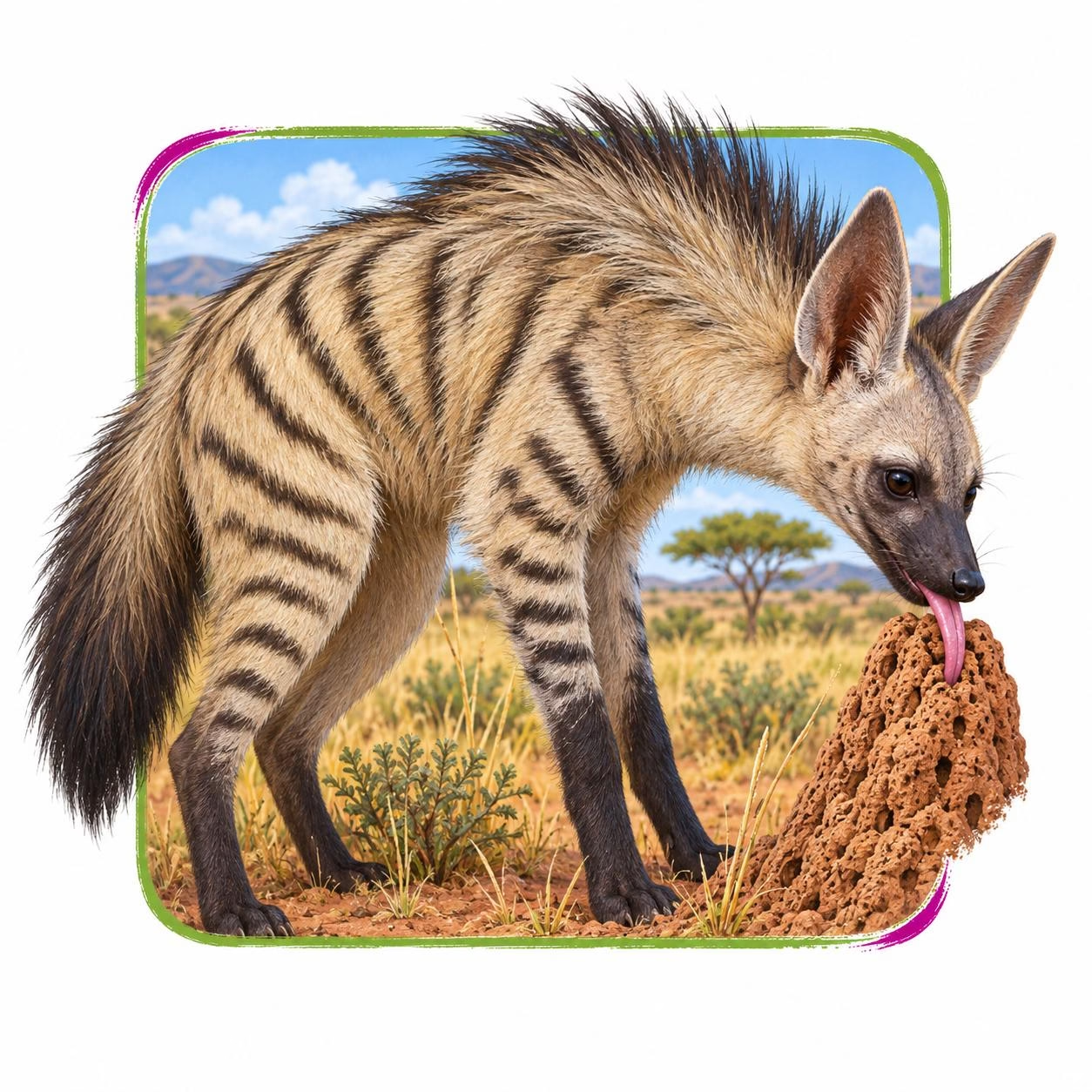
Aardwolf in its natural Grasslands, savannas, open scrub, semi-arid plains, and termite-rich grazing areas habitat