
Alligator Facts for Kids
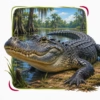
Alligators are large reptiles with broad rounded snouts, armored skin, strong tails, short legs, and eyes on top of their heads. They live near water and are often confused with crocodiles, but they have their own alligator style.
Quick Alligator Facts
- Animal Type: Reptile
- Group: Crocodilian
- Known For: Broad snout and powerful tail
- Habitat: Swamps, marshes, rivers, lakes, ponds, and wetlands
- Diet: Fish, turtles, birds, snakes, mammals, and other animals
What You’ll Learn
Learn 10 fascinating alligator facts for kids about teeth, powerful tails, swamps, nests, and hunting, plus a quiz, glossary, and alligator activity
These facts are written simply for kids, parents, teachers, and little fact-finders.
10 Fun Alligator Facts for Kids
1. Alligators Are Reptiles
Alligators are reptiles with scaly skin, lungs, eggs, and cold-blooded bodies. They warm up by basking in sunlight.
Kid Decode: An alligator is a sun-powered swamp reptile.
2. Alligators Are Crocodilians
Alligators belong to the crocodilian group, along with crocodiles, caimans, and gharials. They are close relatives, but not the same animal.
Kid Decode: Alligators are part of the toothy crocodilian club.
3. Alligators Have Rounded Snouts
Alligators usually have broad, rounded snouts, while many crocodiles have narrower, more pointed snouts.
Kid Decode: An alligator face has a wide U-shaped grin.
4. Alligators Have Eyes and Nostrils on Top
Their eyes, ears, and nostrils sit high on the head. This lets them hide most of the body underwater while watching and breathing.
Kid Decode: Alligators are experts at sneaky swamp peekaboo.
5. Alligators Use Powerful Tails
An alligator’s long muscular tail helps it swim, steer, and push through water.
Kid Decode: The tail is an alligator’s built-in boat motor.
6. Alligators Lay Eggs
Female alligators build nests from plants, mud, or soil and lay eggs inside. Warm nests help the eggs develop.
Kid Decode: An alligator nest is a warm leafy egg room.
7. Baby Alligators Are Called Hatchlings
Baby alligators are called hatchlings. They can make chirping sounds before or after they hatch.
Kid Decode: An alligator hatchling begins with a tiny squeak.
8. Alligator Mothers Protect Young
Mother alligators often guard the nest and may help hatchlings reach water after they come out of the eggs.
Kid Decode: That giant mouth can become a gentle baby carrier.
9. Alligators Grow New Teeth
Alligators can replace worn or broken teeth throughout their lives. New teeth grow in as old ones are lost.
Kid Decode: Alligator smiles come with backup teeth.
10. Alligators Help Wetlands
As predators and nest builders, alligators help shape wetland habitats used by many other animals.
Kid Decode: Alligators are swamp engineers with scales.
The Weirdest Alligator Fact
Baby alligators can chirp from inside their eggs, and their mother may help them reach the water.
Try This Alligator Activity
Alligator Drawing Activity
Draw an alligator floating in a swamp. Add a broad rounded snout, eyes above the water, armored scales, a strong tail, reeds, lily pads, and tiny hatchlings nearby.
Quick Alligator Quiz
- Are alligators reptiles? Answer: Yes.
- What shape is an alligator’s snout usually? Answer: Broad and rounded.
- What are baby alligators called? Answer: Hatchlings.
- What helps alligators swim? Answer: Their strong tails.
- Do alligators lay eggs? Answer: Yes.
Mini Glossary
- Hatchling: A baby alligator that has just hatched.
- Crocodilian: The animal group that includes alligators, crocodiles, caimans, and gharials.
- Wetland: A watery habitat such as a swamp or marsh.
- Cold-Blooded: Depending on outside temperature to help control body heat.
- Snout: The nose and mouth area of an animal.
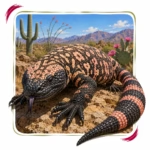 Gila Monster Facts for Kids
 White-Tailed Deer Facts for Kids
 Serval Facts for Kids
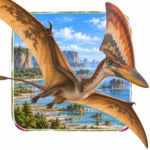 Tapejara Facts for Kids
More Animal Facts for Kids
Visit the full animal facts library or explore a focused animal group.
More Extinct Animal Facts for Kids
Discover dinosaurs, Ice Age giants, prehistoric sea creatures, recently extinct species, and other animals from the past.
Fact check note: Fact checked with Britannica Kids alligator resources, Britannica alligator resources, and trusted reptile education references.

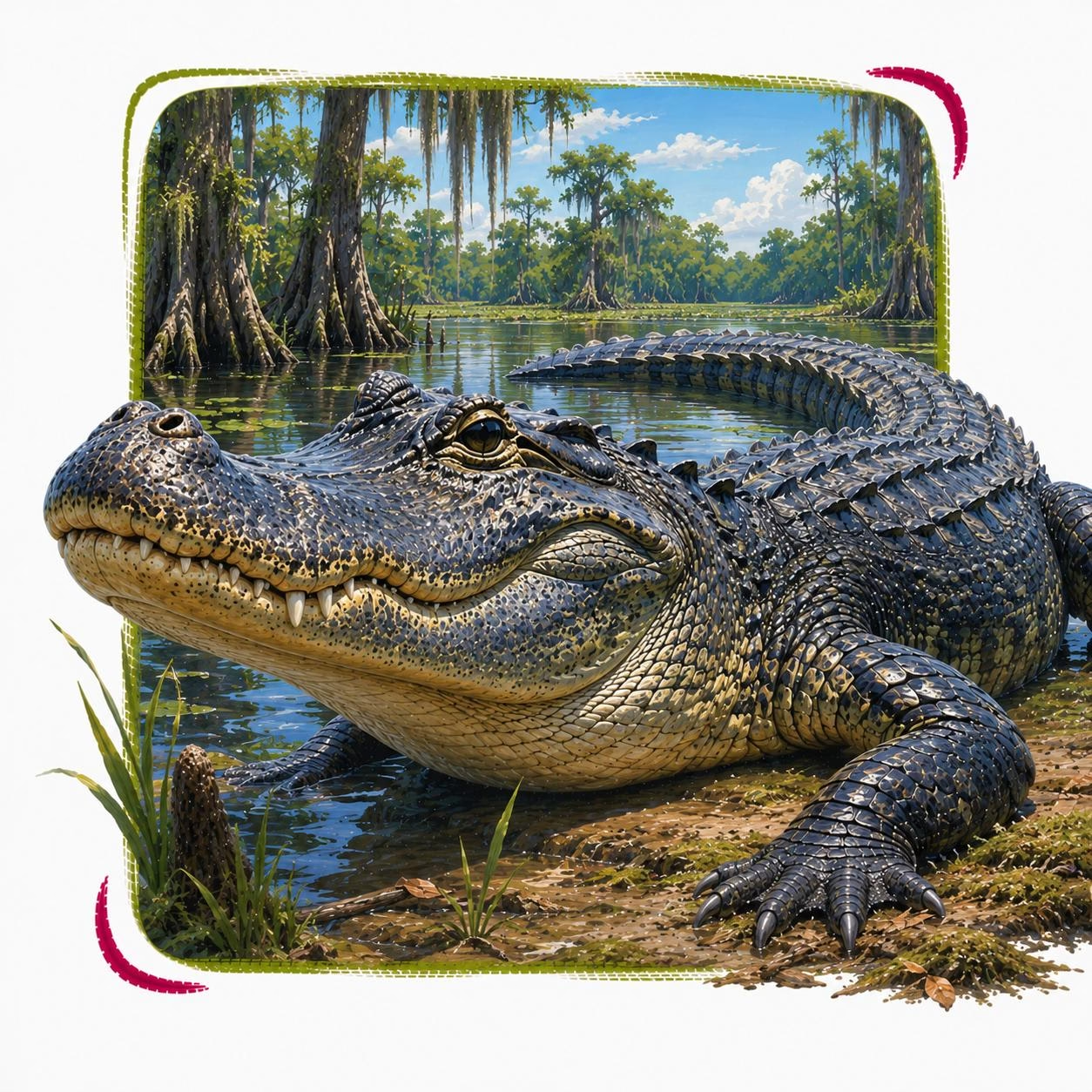
Alligator in its natural Swamps habitat