
Andean Condor Facts for Kids
Andean condors are giant New World vultures from South America. They soar above the Andes on huge wings, search for carrion, nest on cliffs, and have nearly featherless heads that help them stay cleaner while feeding.
Quick Andean Condor Facts
- Animal Type: Bird
- Group: New World vulture and condor
- Known For: Huge wingspan, Andes mountains, soaring flight, carrion feeding, bald head, neck ruff, cliff nests, chicks, and male caruncle
- Habitat: Andes mountains, high cliffs, open grasslands, deserts, coastal areas, mountain slopes, rocky ledges, and open areas of western South America
- Diet: Carrion from large animals such as deer, cattle, sheep, guanacos, llamas, and other dead animals found while soaring
What You’ll Learn
Discover 10 unusual marabou stork facts for kids about huge wings, bald heads, long legs, scavenging, and African habitats, plus a quiz, glossary, and activity
Easy explanations make them fun for children, families, teachers, and young nature explorers.

10 Fun Andean Condor Facts for Kids
1. Andean Condors Are Birds
Andean condors are birds, so they have feathers, beaks, wings, and lay eggs.
Kid Decode: An Andean condor is a mountain sky giant with patience wings.
2. They Are New World Vultures
Andean condors are New World vultures, a group of scavenging birds from the Americas.
Kid Decode: They are condors, not eagles, even though they look royal in the sky.
3. Baby Andean Condors Are Chicks
Baby Andean condors are called chicks and grow slowly with care from their parents.
Kid Decode: A condor chick is a fluffy cliff baby with a giant future.
4. They Live in the Andes
Andean condors live along the Andes and nearby open areas of western South America.
Kid Decode: Their neighborhood includes cliffs, wind, and mountain drama.
5. They Have Huge Wings
Andean condors have some of the largest wings of any flying land bird.
Kid Decode: Their wings are built for big glides and tiny flaps.
6. They Soar on Rising Air
Andean condors use warm air currents and mountain winds to soar long distances.
Kid Decode: They ride invisible elevators over the mountains.
7. They Eat Carrion
Andean condors feed mostly on carrion, which means dead animals.
Kid Decode: Their cleanup work helps recycle nutrients in nature.
8. They Have Bare Heads
The head and neck have very few feathers, which helps keep them cleaner while feeding.
Kid Decode: A bald head is practical when dinner is messy.
9. Males Have a Caruncle
Male Andean condors have a fleshy crest on the head called a caruncle.
Kid Decode: It looks like a crown, but it is made of skin, not feathers.
10. They Nest on Cliff Ledges
Andean condors often nest on hard-to-reach cliff ledges.
Kid Decode: A cliff ledge is a nursery with a spectacular view.
The Weirdest Andean Condor Fact
An Andean condor can soar for long distances by using wind and rising air, saving energy while searching for carrion.
Try This Andean Condor Activity
Andean Condor Drawing Activity
Draw an Andean condor soaring over the Andes. Add huge wings, white neck ruff, bald head, male caruncle, cliff ledge nest with chick, mountain thermals, carrion cleanup icon, llamas far below, and clouds.
Quick Andean Condor Quiz
- What animal group are Andean condors in? Answer: Birds.
- What are baby Andean condors called? Answer: Chicks.
- What mountain range is the Andean condor named for? Answer: The Andes.
- What do Andean condors mostly eat? Answer: Carrion.
- What is the fleshy crest on a male condor’s head called? Answer: A caruncle.
Mini Glossary
- Bird: An animal with feathers, a beak, and wings.
- Chick: A baby bird.
- New World Vulture: A scavenging bird group from the Americas.
- Carrion: Dead animal matter eaten by scavengers.
- Caruncle: A fleshy growth on the head or face of some birds.

 Prairie Dog Facts for Kids
 Rhea Facts for Kids
 Cicada Facts for Kids
 Amebelodon Facts for Kids
More Animal Facts for Kids
Visit the full animal facts library or explore a focused animal group.
More Extinct Animal Facts for Kids
Discover dinosaurs, Ice Age giants, prehistoric sea creatures, recently extinct species, and other animals from the past.
Fact check note: Fact checked with San Diego Zoo Andean condor resources, BirdLife Andean condor resources, Peregrine Fund vulture resources, and trusted South American bird education references.

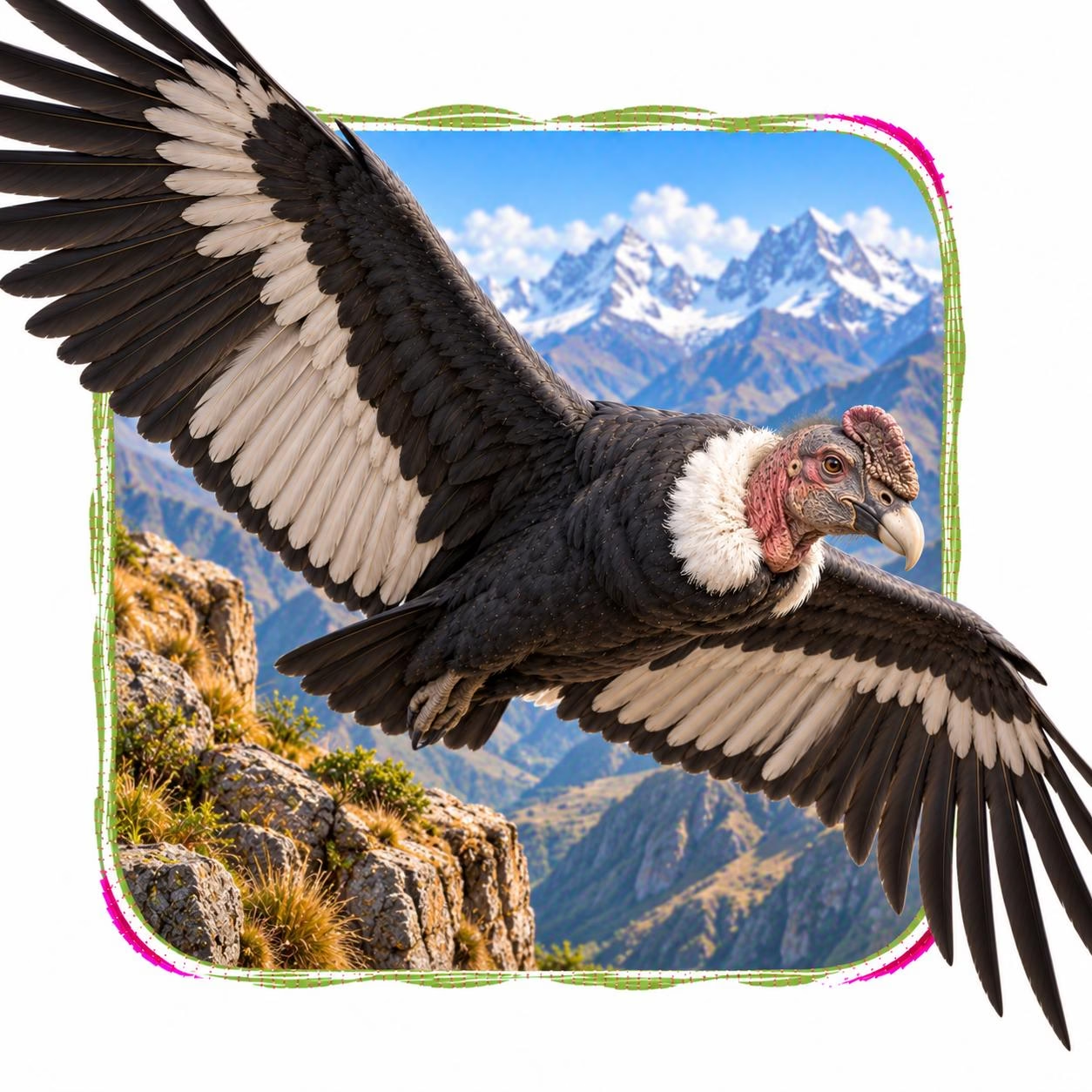
Andean Condor in its natural Mountains habitat