
Angelfish Facts for Kids
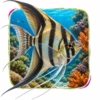
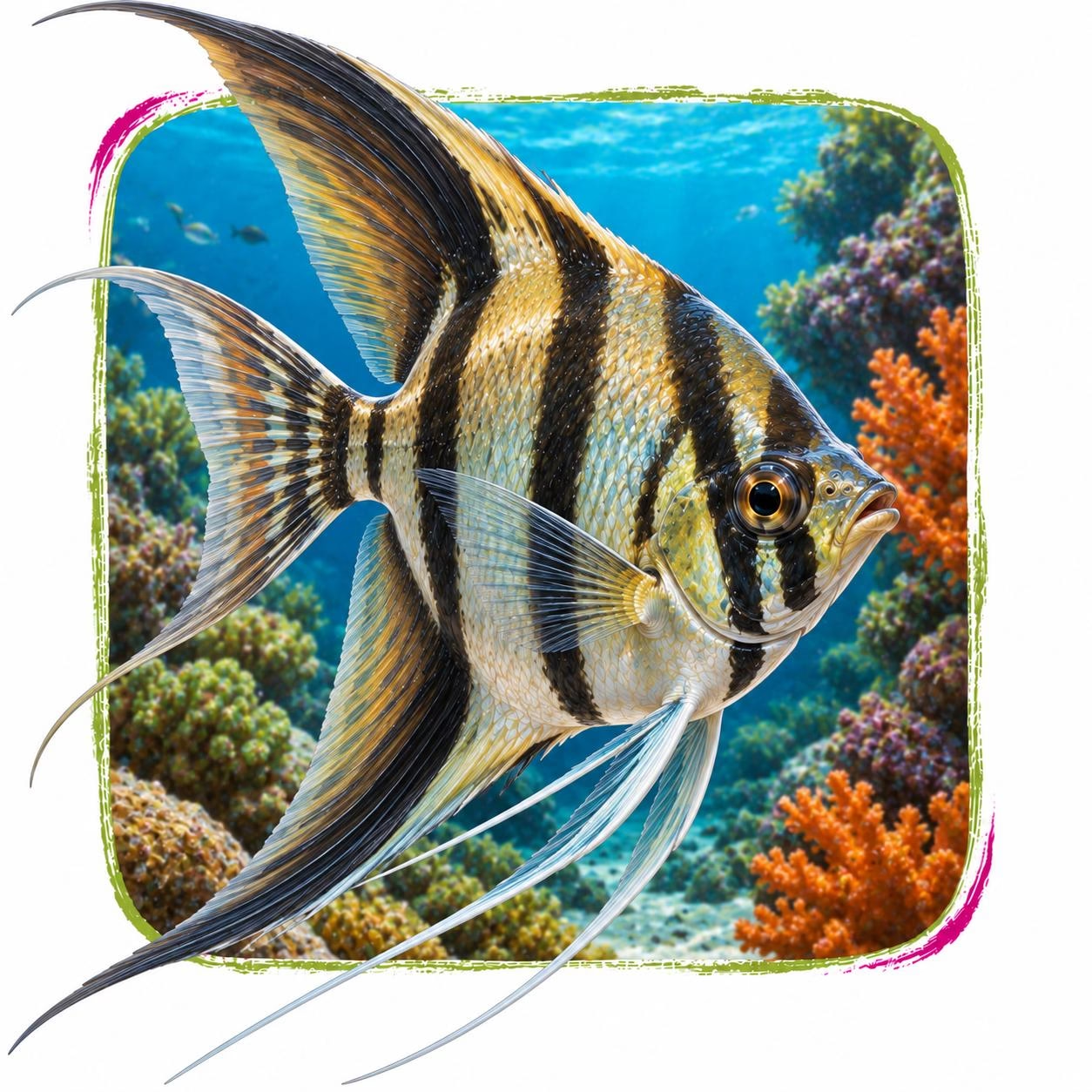
Angelfish is a name used for different beautiful fish, but the popular freshwater angelfish is a tall, graceful cichlid from tropical South America. It has a flat body, long fins, and dark vertical bands that help it blend among plants and roots.
Quick Angelfish Facts
- Animal Type: Fish
- Group: Freshwater cichlid; the name angelfish is also used for colorful marine reef fishes
- Known For: Tall fins, flat bodies, vertical stripes, South American freshwater homes, egg care, and aquarium popularity
- Habitat: Slow tropical rivers, flooded forests, streams, quiet freshwater, plant-filled waters, and warm South American river habitats
- Diet: Small insects, insect larvae, tiny crustaceans, worms, small fish, and prepared aquarium foods in human care
What You’ll Learn
Discover 10 graceful angelfish facts for kids about tall bodies, colorful patterns, fins, freshwater habitats, and social behavior, plus a quiz, glossary, and activity
Easy explanations make them ideal for children, families, teachers, and little fact-hunters.
10 Fun Angelfish Facts for Kids
1. Angelfish Are Fish
Angelfish are fish with gills, fins, scales, and bodies made for water.
Kid Decode: An angelfish is a tall little swimmer with fins like underwater curtains.
2. Freshwater Angelfish Are Cichlids
Freshwater angelfish belong to the cichlid family, a group of fish known for interesting behavior and care of young.
Kid Decode: They are the elegant tall cousins in the cichlid family.
3. Baby Angelfish Are Fry
Baby angelfish are called fry after they hatch and begin swimming.
Kid Decode: An angelfish fry is a tiny swimmer with big-fin dreams.
4. Angelfish Come From South America
Freshwater angelfish are native to tropical freshwater habitats in South America.
Kid Decode: Their wild home is warm water with plants, roots, and shadows.
5. Angelfish Have Tall Fins
Angelfish have long dorsal and anal fins that make the body look tall and triangular.
Kid Decode: The fins look like flowing sails under the water.
6. Angelfish Have Flat Bodies
Their flat, rounded body shape helps them move among plants and submerged branches.
Kid Decode: They slip through watery forests with graceful turns.
7. Angelfish Often Have Stripes
Many wild-type freshwater angelfish have dark vertical bands.
Kid Decode: Those stripes help break up their shape like fishy camouflage.
8. Angelfish Lay Eggs
Angelfish lay eggs, often on leaves, flat surfaces, or cleaned spots in the water.
Kid Decode: The eggs look like tiny dots lined up on a nursery wall.
9. Angelfish Parents May Guard Young
Freshwater angelfish can care for eggs and young, which is common in many cichlids.
Kid Decode: These parents can be tiny fin-flapping bodyguards.
10. Angelfish Need Proper Care
Pet angelfish need clean warm freshwater, space, hiding places, and peaceful tank conditions.
Kid Decode: Beautiful fins need a healthy little water world.
The Weirdest Angelfish Fact
The name angelfish can mean freshwater cichlids or colorful marine reef fish, so the same name can point to very different fish.
Try This Angelfish Activity
Angelfish Drawing Activity
Draw a freshwater angelfish swimming among water plants. Add tall fins, flat body, dark stripes, tiny fry, eggs on a leaf, roots, bubbles, small insects, and warm river water.
Quick Angelfish Quiz
- What animal group are angelfish in? Answer: Fish.
- What fish family do freshwater angelfish belong to? Answer: Cichlids.
- What are baby angelfish called? Answer: Fry.
- Where are freshwater angelfish native? Answer: Tropical South America.
- What body feature makes angelfish look tall? Answer: Long fins.
Mini Glossary
- Fish: A water-living animal that usually has gills and fins.
- Fry: A young fish after it hatches.
- Cichlid: A fish family that includes many freshwater fish known for interesting behavior.
- Camouflage: Colors or patterns that help an animal blend in.
- Freshwater: Water without much salt, such as rivers, lakes, and streams.
 Heron Facts for Kids
 Chital Facts for Kids
 Halibut Facts for Kids
 Velociraptor Facts for Kids
More Animal Facts for Kids
Visit the full animal facts library or explore a focused animal group.
More Extinct Animal Facts for Kids
Discover dinosaurs, Ice Age giants, prehistoric sea creatures, recently extinct species, and other animals from the past.
Fact check note: Fact checked with Britannica freshwater angelfish resources, Britannica Kids marine angelfish resources, and trusted freshwater aquarium fish education references.

Angelfish in its natural Coral Reefs habitat