
Arctic Fox Facts for Kids
Arctic foxes are small, tough foxes that live in some of the coldest places on Earth. They have thick fur, furry feet, short ears, and clever food-finding skills that help them survive in the icy Arctic.
Quick Arctic Fox Facts
- Animal Type: Mammal
- Group: Dog family
- Known For: White winter coat and cold survival
- Habitat: Arctic tundra, snowy lands, coastal areas, and burrows
- Diet: Rodents, birds, fish, eggs, berries, and leftovers from larger predators
What You’ll Learn
Explore 10 amazing arctic fox facts for kids about snowy fur, cold-weather survival, food, dens, and life in the Arctic, with a quiz, glossary, and activity
Simple explanations make them ideal for children, parents, teachers, and little fact-hunters.
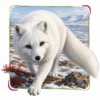
10 Fun Arctic Fox Facts for Kids
1. Arctic Foxes Live in the Arctic
Arctic foxes live in cold regions around the North Pole. Their bodies are built to handle freezing weather, snow, wind, and icy ground.
Kid Decode: An Arctic fox is a tiny snow survivor.
2. Arctic Foxes Change Coat Colors
Many Arctic foxes grow white fur in winter and browner or grayish fur in summer. This helps them blend into snow or tundra plants.
Kid Decode: An Arctic fox has a seasonal camouflage wardrobe.
3. Arctic Foxes Have Thick Fur
Arctic foxes have thick, warm fur that helps protect them from freezing temperatures. Their compact bodies also help save heat.
Kid Decode: Their fur is like a built-in winter blanket.
4. Arctic Foxes Have Furry Feet
Their foot pads are covered with fur, which helps them walk on ice and snow while staying warmer.
Kid Decode: Arctic fox feet are tiny snow boots.
5. Arctic Foxes Live in Burrows
Arctic foxes use burrows for shelter and raising young. Some burrows can be used by fox families for many years.
Kid Decode: An Arctic fox burrow is a cozy underground snow home.
6. Baby Arctic Foxes Are Called Kits
Baby Arctic foxes are called kits, pups, or cubs. They stay near the den while their parents bring food.
Kid Decode: A fox kit is a tiny fluffball with big Arctic homework.
7. Arctic Foxes Eat Many Foods
Arctic foxes often eat lemmings and other small animals, but they may also eat birds, fish, eggs, berries, and scraps.
Kid Decode: An Arctic fox eats whatever the icy menu offers.
8. Arctic Foxes Follow Polar Bears
Sometimes Arctic foxes follow polar bears and eat leftovers from the bears’ meals. This helps them find food in harsh seasons.
Kid Decode: Arctic foxes know how to follow the big dinner clues.
9. Arctic Foxes Have Small Ears
Their small ears help reduce heat loss in cold weather. Smaller body parts are useful in freezing climates.
Kid Decode: Small ears help keep the fox’s warmth from escaping.
10. Arctic Foxes Can Be Active Any Time
Arctic foxes may be active during the day or night, depending on food, season, and conditions.
Kid Decode: An Arctic fox does not always follow a bedtime clock.
The Weirdest Arctic Fox Fact
Arctic foxes have fur on the bottoms of their feet, giving them natural snow boots for icy ground.
Try This Arctic Fox Activity
Arctic Fox Drawing Activity
Draw an Arctic fox standing in the snow. Add fluffy white fur, small ears, furry feet, a burrow entrance, snowflakes, and the northern lights in the sky.
Quick Arctic Fox Quiz
- Where do Arctic foxes live? Answer: In Arctic regions around the North Pole.
- What color is many Arctic foxes’ winter fur? Answer: White.
- What are baby Arctic foxes called? Answer: Kits, pups, or cubs.
- Why do Arctic foxes have small ears? Answer: To help reduce heat loss.
- What larger animal may Arctic foxes follow for leftovers? Answer: Polar bears.
Mini Glossary
- Arctic: The cold region around the North Pole.
- Tundra: A cold, treeless habitat.
- Camouflage: Blending in with the surroundings.
- Burrow: An underground animal home.
- Kit: A baby fox.
 Portuguese Man o' War Facts for Kids
 Cougar Facts for Kids
 Snow Goose Facts for Kids
 Suchomimus Facts for Kids
More Animal Facts for Kids
Visit the full animal facts library or explore a focused animal group.
More Extinct Animal Facts for Kids
Discover dinosaurs, Ice Age giants, prehistoric sea creatures, recently extinct species, and other animals from the past.
Fact check note: Fact checked with Britannica Kids Arctic fox resources, Britannica Arctic fox resources, National Geographic Kids Arctic fox resources, and trusted wildlife education references.

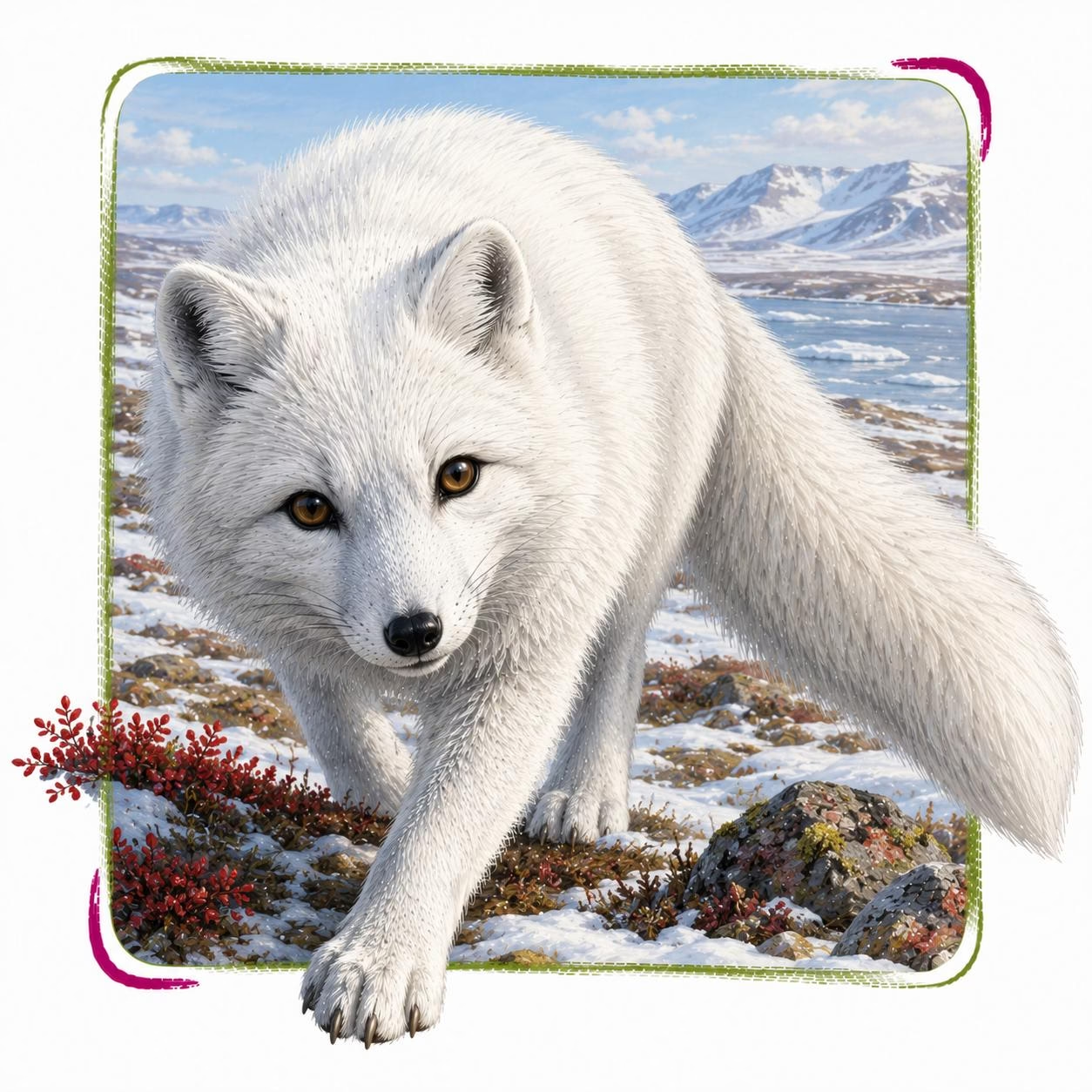
Arctic Fox in its natural Tundra habitat