
Aye-Aye Facts for Kids
Aye-ayes are rare nocturnal lemurs from Madagascar with huge ears, big eyes, bushy tails, strong teeth, and one extra-long skinny middle finger. They tap on wood to find insects hiding inside trees.
Quick Aye-Aye Facts
- Animal Type: Mammal
- Group: Primate and lemur
- Known For: Long middle finger and tapping for food
- Habitat: Rainforests, dry forests, coastal forests, tree canopies, and wooded areas in Madagascar
- Diet: Insect larvae, fruit, seeds, nuts, nectar, fungi, and other forest foods
What You’ll Learn
Discover 10 unusual aye-aye facts for kids about giant fingers, huge ears, tree tapping, nighttime hunting, and Madagascar, with a quiz, glossary, and activity
These simple facts are written for kids, parents, teachers, and curious little learners.
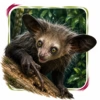
10 Fun Aye-Aye Facts for Kids
1. Aye-Ayes Are Lemurs
Aye-ayes are lemurs, which are primates found naturally on the island of Madagascar.
Kid Decode: An aye-aye is a lemur with a spooky-cute tool finger.
2. Aye-Ayes Live in Madagascar
Wild aye-ayes live in Madagascar, where they move through forests and tree canopies at night.
Kid Decode: Madagascar is their strange and leafy home island.
3. Aye-Ayes Are Nocturnal
Aye-ayes are active mostly at night and sleep during the day in round nests made from leaves and branches.
Kid Decode: They do their forest errands under moonlight.
4. Aye-Ayes Have Huge Ears
Large sensitive ears help aye-ayes listen for insect larvae moving inside wood.
Kid Decode: The ears are tiny bug-listening dishes.
5. Aye-Ayes Tap on Trees
Aye-ayes tap tree bark with their long middle fingers and listen for hollow spaces where larvae may hide.
Kid Decode: They play tap-tap detective on tree trunks.
6. Aye-Ayes Have Long Middle Fingers
The extra-long thin middle finger helps aye-ayes pull insect larvae out of holes in wood.
Kid Decode: That finger is a built-in snack hook.
7. Aye-Ayes Have Strong Teeth
Aye-ayes have strong front teeth that keep growing and help them gnaw into wood, nuts, and bark.
Kid Decode: Their teeth are tiny woodworking tools.
8. Baby Aye-Ayes Are Infants
Baby aye-ayes are called infants. They stay with their mothers while learning how to climb and find food.
Kid Decode: An aye-aye infant is a tiny night-forest apprentice.
9. Aye-Ayes Eat Many Foods
Aye-ayes eat insect larvae, fruit, seeds, nuts, nectar, fungi, and other forest foods.
Kid Decode: The aye-aye menu is bugs, fruit, and crunchy tree treasures.
10. Aye-Ayes Need Protection
Aye-ayes are threatened by habitat loss and harmful myths. Conservation helps protect them and their forest homes.
Kid Decode: Protecting forests keeps the long-fingered lemurs safe.
The Weirdest Aye-Aye Fact
An aye-aye uses one long skinny finger to tap trees, hear hidden bugs, and fish them out like a tiny forest tool.
Try This Aye-Aye Activity
Aye-Aye Drawing Activity
Draw an aye-aye tapping on a tree at night. Add huge ears, big eyes, bushy tail, long middle finger, strong teeth, insects in wood, leaves, moonlight, and a leafy nest.
Quick Aye-Aye Quiz
- Where do aye-ayes live naturally? Answer: Madagascar.
- What animal group are aye-ayes in? Answer: Lemurs and primates.
- When are aye-ayes mostly active? Answer: At night.
- What finger is aye-aye famous for? Answer: A long middle finger.
- What do aye-ayes tap to find food? Answer: Tree bark or wood.
Mini Glossary
- Lemur: A primate group found naturally in Madagascar.
- Infant: A baby primate.
- Nocturnal: Active mostly at night.
- Larva: A young insect stage.
- Conservation: Protecting animals, plants, and habitats.
 Loggerhead Sea Turtle Facts for Kids
 Spider Monkey Facts for Kids
 Bee-Eater Facts for Kids
 Laughing Owl Facts for Kids
More Animal Facts for Kids
Visit the full animal facts library or explore a focused animal group.
More Extinct Animal Facts for Kids
Discover dinosaurs, Ice Age giants, prehistoric sea creatures, recently extinct species, and other animals from the past.
Fact check note: Fact checked with Britannica aye-aye resources, National Geographic aye-aye resources, and trusted Madagascar primate conservation references.

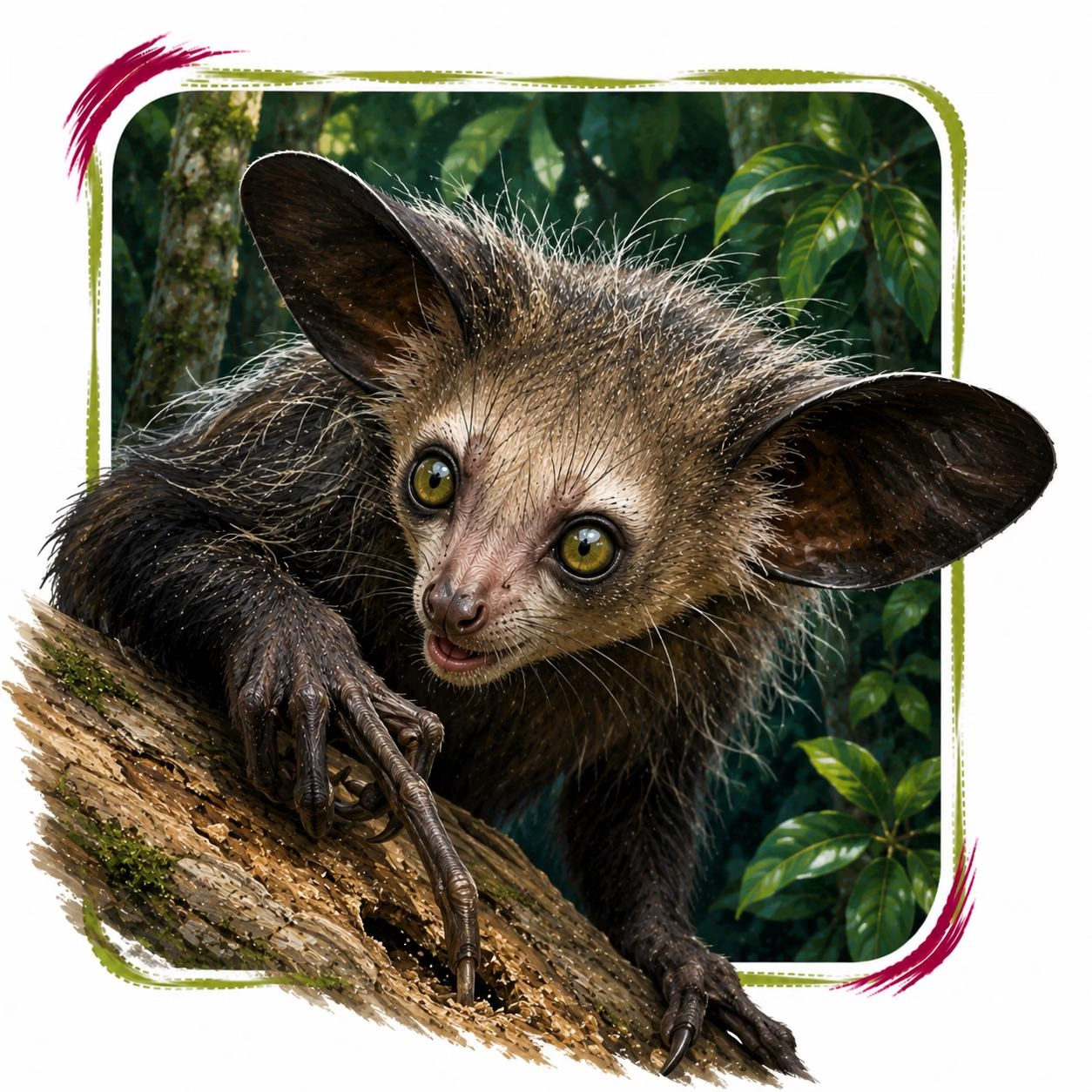
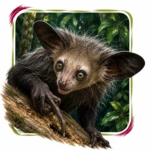
Aye-Aye in its natural Rainforests habitat