
Babirusa Facts for Kids
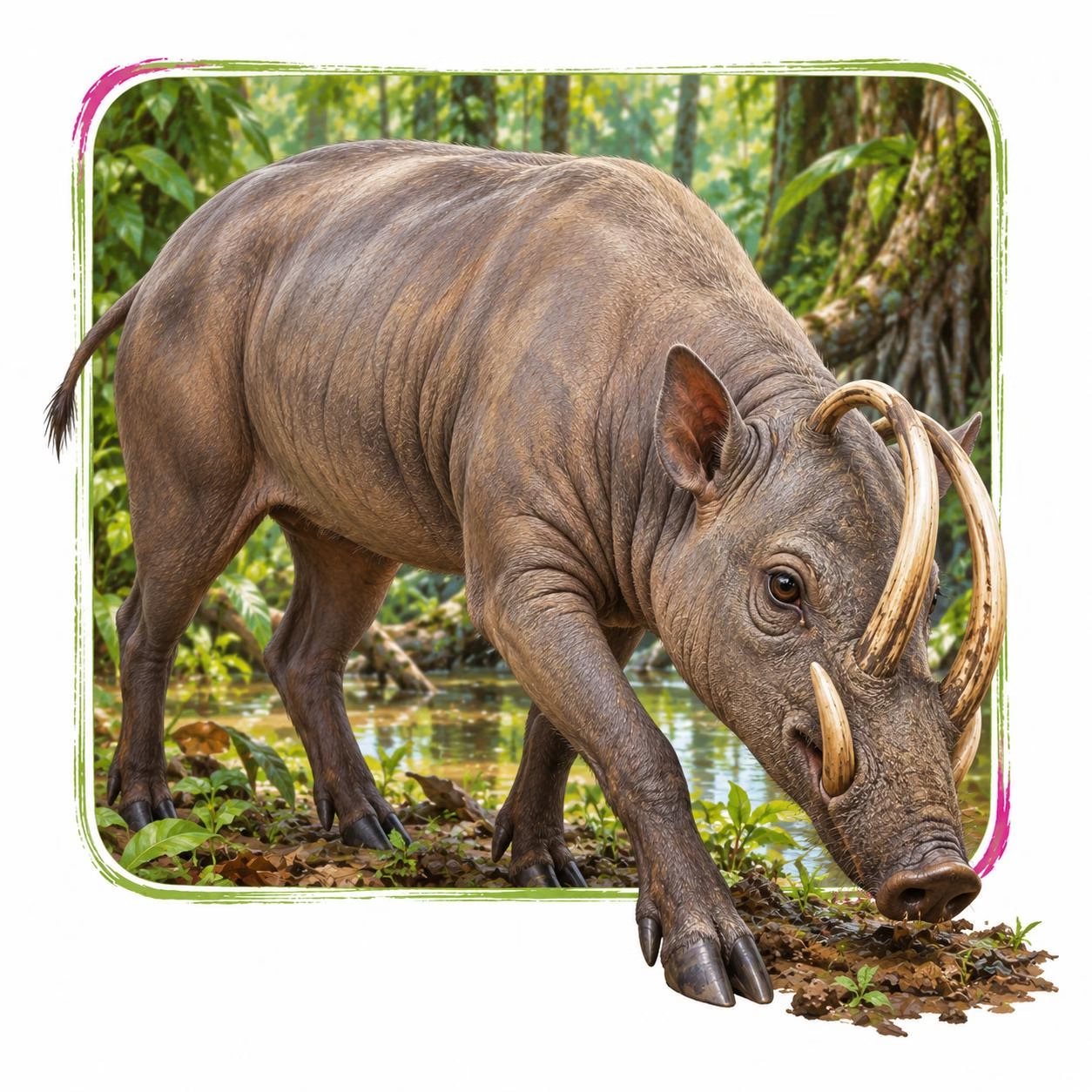
Babirusas are wild pigs from Indonesian islands such as Sulawesi. They are famous for strange upward-curving tusks, long legs, forest and swamp habitats, and a name that is often translated as deer-pig.
Quick Babirusa Facts
- Animal Type: Mammal
- Group: Wild pig and suid
- Known For: Curving tusks, deer-pig name, Indonesian islands, forest life, swimming, and rooting near rivers
- Habitat: Dense forests, tropical jungles, swamps, river edges, wetland forests, and Indonesian island habitats including Sulawesi and nearby islands depending on species
- Diet: Fruit, leaves, roots, tubers, mushrooms, insects, small animals, bark, and other forest foods depending on season
What You’ll Learn
Learn 10 bizarre babirusa facts for kids about curling tusks, forest life, swimming, diet, and island habitats, plus a quiz, glossary, and activity
Clear explanations make them fun for children, families, teachers, and young nature explorers.
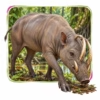
10 Fun Babirusa Facts for Kids
1. Babirusas Are Mammals
Babirusas are mammals, which means mothers feed milk to their young.
Kid Decode: A babirusa is a wild pig with tusks that look borrowed from a fairy tale.
2. Babirusas Are Wild Pigs
Babirusas belong to the pig family, also called suids.
Kid Decode: They are pigs, but with their own island twist.
3. Babirusa Means Deer-Pig
The name babirusa is often translated as deer-pig.
Kid Decode: The name fits an animal that looks part pig, part forest riddle.
4. Males Have Curving Tusks
Male babirusas can grow long upper tusks that curve upward toward the face.
Kid Decode: Those tusks look like curly antlers made of teeth.
5. Baby Babirusas Are Piglets
Baby babirusas are called piglets and usually stay close to their mother.
Kid Decode: A babirusa piglet is a tiny island snoutling.
6. Babirusas Live in Indonesia
Babirusas live on Indonesian islands, especially Sulawesi and nearby island regions.
Kid Decode: Their homeland is a green island maze.
7. Babirusas Like Forests and Swamps
Babirusas live in dense forests, swamps, and areas near rivers.
Kid Decode: They are forest pigs with muddy map skills.
8. Babirusas Can Swim
Babirusas can swim, which helps them move through wet island habitats.
Kid Decode: This pig can paddle through its jungle neighborhood.
9. Babirusas Root for Food
Babirusas search in soft soil for roots, insects, and other foods.
Kid Decode: Their snout is a forest food detector.
10. Babirusas Need Protection
Babirusas are threatened by hunting and habitat loss, so protected forests are important.
Kid Decode: Saving forests helps the curly-tusk pigs survive.
The Weirdest Babirusa Fact
A male babirusa’s upper tusks can curve upward through the snout area and grow toward the forehead.
Try This Babirusa Activity
Babirusa Drawing Activity
Draw a babirusa walking near a swampy forest river. Add curly tusks, long legs, piglets, muddy ground, roots, mushrooms, tropical leaves, water ripples, and Indonesian island trees.
Quick Babirusa Quiz
- What animal group are babirusas in? Answer: Mammals.
- What family do babirusas belong to? Answer: The pig family.
- What does babirusa often mean? Answer: Deer-pig.
- What are baby babirusas called? Answer: Piglets.
- Where do babirusas live? Answer: Indonesian islands such as Sulawesi.
Mini Glossary
- Mammal: An animal that feeds milk to its young.
- Suid: A member of the pig family.
- Piglet: A baby pig or wild pig.
- Tusk: A long tooth that grows outside the mouth.
- Omnivore: An animal that eats both plant and animal foods.
 Raven Facts for Kids
 Clownfish Facts for Kids
 Leopard Facts for Kids
 Camarasaurus Facts for Kids
More Animal Facts for Kids
Visit the full animal facts library or explore a focused animal group.
More Extinct Animal Facts for Kids
Discover dinosaurs, Ice Age giants, prehistoric sea creatures, recently extinct species, and other animals from the past.
Fact check note: Fact checked with Britannica babirusa resources, Britannica suid resources, and trusted wildlife education references.

Babirusa in its natural Forests habitat