
Baboon Facts for Kids
Baboons are large Old World monkeys with long faces, strong bodies, and social lives. They often live in troops, travel across the ground, groom each other, and use calls, gestures, and facial expressions to communicate.
Quick Baboon Facts
- Animal Type: Mammal
- Group: Primate and Old World monkey
- Known For: Troops, long faces, cheek pouches, grooming, ground travel, and clever communication
- Habitat: Savannas, grasslands, woodlands, rocky hills, cliffs, forests, semi-deserts, and parts of Africa and Arabia depending on species
- Diet: Fruit, seeds, grasses, roots, insects, small animals, eggs, leaves, and other foods depending on habitat and season
What You’ll Learn
Explore 10 amazing baboon facts for kids about troops, strong jaws, communication, diet, and life across Africa, plus a quiz, glossary, and activity
Clear explanations make them great for children, families, teachers, and young animal fans.
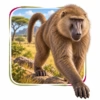
10 Fun Baboon Facts for Kids
1. Baboons Are Mammals
Baboons are mammals, which means mothers feed milk to their young.
Kid Decode: A baboon is a bold monkey with a busy social life.
2. Baboons Are Monkeys
Baboons are Old World monkeys, not apes.
Kid Decode: They are monkey members of the primate crowd.
3. Baboons Live in Troops
Baboons often live and travel in social groups called troops.
Kid Decode: A troop is a moving monkey neighborhood.
4. Baby Baboons Are Infants
Baby baboons are called infants and often cling to their mothers.
Kid Decode: A baboon infant gets a furry front-row ride.
5. Baboons Groom Each Other
Baboons groom to clean fur and build social bonds.
Kid Decode: Grooming is monkey friendship maintenance.
6. Baboons Have Cheek Pouches
Baboons can store food in cheek pouches while eating or moving.
Kid Decode: Their cheeks can work like snack pockets.
7. Baboons Spend Time on the Ground
Many baboons spend lots of time walking, feeding, and traveling on the ground.
Kid Decode: They are primates with strong hiking habits.
8. Baboons Eat Many Foods
Baboons are omnivores, eating both plant and animal foods.
Kid Decode: Their menu is a wild picnic with options.
9. Baboons Use Calls
Baboons communicate with calls, barks, gestures, and facial expressions.
Kid Decode: A baboon troop has its own noisy message system.
10. Baboons Need Safe Habitats
Baboons need space, food, water, and safe wild habitats to thrive.
Kid Decode: Healthy habitats keep troop life rolling.
The Weirdest Baboon Fact
A baboon troop can act like a busy society, with grooming, calls, ranks, friendships, and teamwork.
Try This Baboon Activity
Baboon Drawing Activity
Draw a baboon troop on a savanna. Add a mother with an infant, long faces, cheek pouches, grooming friends, grasses, rocks, trees, fruit, insects, and a sunny sky.
Quick Baboon Quiz
- What animal group are baboons in? Answer: Mammals.
- Are baboons monkeys or apes? Answer: Monkeys.
- What is a baboon group called? Answer: A troop.
- What are baby baboons called? Answer: Infants.
- What do baboons eat? Answer: Both plant and animal foods.
Mini Glossary
- Mammal: An animal that feeds milk to its young.
- Primate: A mammal group that includes monkeys, apes, lemurs, lorises, and humans.
- Troop: A social group of monkeys.
- Omnivore: An animal that eats both plant and animal foods.
- Grooming: Cleaning fur or skin, often used to build social bonds.


 Angelfish Facts for Kids
 Leopard Gecko Facts for Kids
 Tree Frog Facts for Kids
 Helicoprion Facts for Kids
More Animal Facts for Kids
Visit the full animal facts library or explore a focused animal group.
More Extinct Animal Facts for Kids
Discover dinosaurs, Ice Age giants, prehistoric sea creatures, recently extinct species, and other animals from the past.
Fact check note: Fact checked with Britannica baboon resources, Britannica Kids baboon resources, and trusted primate education references.

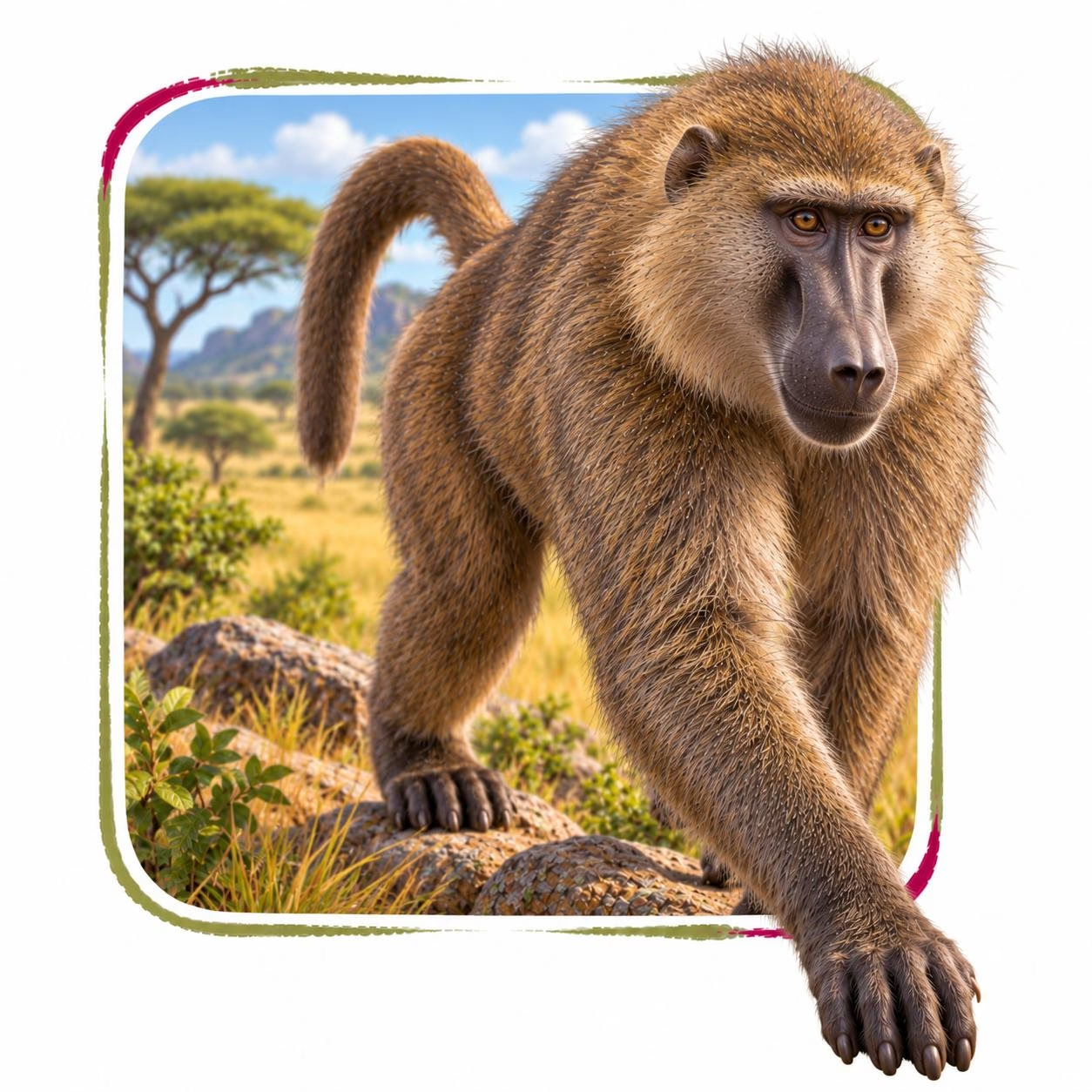
Baboon in its natural Savannas habitat