
Beaver Facts for Kids
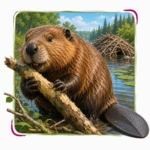
Beavers are large rodents famous for building dams, lodges, and watery homes. They have strong teeth, flat tails, webbed feet, and amazing building skills that can change streams and create wetlands.
Quick Beaver Facts
- Animal Type: Mammal
- Group: Rodent
- Known For: Building dams and lodges
- Habitat: Rivers, streams, ponds, lakes, and wetlands
- Diet: Bark, twigs, leaves, aquatic plants, and other plants
What You’ll Learn
Discover 10 fascinating beaver facts for kids about dams, lodges, giant teeth, swimming, and engineering skills, with a quiz, glossary, and beaver activity
These facts are explained simply for kids, parents, teachers, and young nature explorers.

10 Fun Beaver Facts for Kids
1. Beavers Are Rodents
Beavers belong to the rodent family. Like other rodents, they have strong front teeth that keep growing throughout life.
Kid Decode: Beavers are giant members of the nibble club.
2. Beavers Build Dams
Beavers build dams with sticks, mud, stones, and plants. Dams help raise water levels and create safer watery areas near their homes.
Kid Decode: Beavers are nature’s tiny construction workers.
3. Beavers Live in Lodges
Many beavers live in dome-shaped homes called lodges. Lodges are made from branches and mud and often have underwater entrances.
Kid Decode: A beaver lodge is a stick castle with a secret water door.
4. Beavers Have Orange Teeth
Beaver front teeth can look orange because they contain iron-rich enamel, which helps make them strong for gnawing wood.
Kid Decode: Beaver teeth look rusty, but they are tough tools.
5. Beavers Have Flat Tails
A beaver’s wide, flat tail helps with swimming, balance, fat storage, and warning others by slapping the water.
Kid Decode: A beaver tail is a paddle, warning sign, and balance board.
6. Beavers Have Webbed Back Feet
Webbed back feet help beavers swim well. Their bodies are made for moving through water.
Kid Decode: Beaver feet are built-in swimming flippers.
7. Baby Beavers Are Called Kits
Baby beavers are called kits. Kits stay with their families and learn building, swimming, and finding food.
Kid Decode: A beaver kit is a tiny builder in training.
8. Beavers Eat Plants
Beavers are herbivores. They eat bark, twigs, leaves, roots, and water plants, not fish.
Kid Decode: Beavers are vegetarian woodworkers.
9. Beaver Dams Help Wetlands
Beaver dams can create ponds and wetlands that provide homes for fish, birds, frogs, insects, and many plants.
Kid Decode: Beavers build neighborhoods for other animals too.
10. Beavers Are Mostly Active at Night
Beavers are usually most active in the evening and at night. This helps them work and feed more safely.
Kid Decode: Beavers do their busiest building after sunset.
The Weirdest Beaver Fact
Beaver lodge entrances are often underwater, which helps protect the family from many predators.
Try This Beaver Activity
Beaver Drawing Activity
Draw a beaver building a dam in a stream. Add sticks, mud, flat tail, orange teeth, a cozy lodge, trees, and a few frogs nearby.
Quick Beaver Quiz
- What animal group do beavers belong to? Answer: Rodents.
- What do beavers build across streams? Answer: Dams.
- What is a beaver home called? Answer: A lodge.
- What are baby beavers called? Answer: Kits.
- Do beavers eat fish? Answer: No, they eat plants.
Mini Glossary
- Rodent: A mammal with front teeth made for gnawing.
- Lodge: A beaver home made from sticks and mud.
- Dam: A barrier that slows or blocks flowing water.
- Wetland: A watery habitat with plants and animals.
- Kit: A baby beaver.


 Giant Squid Facts for Kids
 Dragonfly Facts for Kids
 Baboon Facts for Kids
 Phorusrhacos Facts for Kids
More Animal Facts for Kids
Visit the full animal facts library or explore a focused animal group.
More Extinct Animal Facts for Kids
Discover dinosaurs, Ice Age giants, prehistoric sea creatures, recently extinct species, and other animals from the past.
Fact check note: Fact checked with Britannica beaver resources, Britannica beaver dam resources, and trusted wildlife education references.

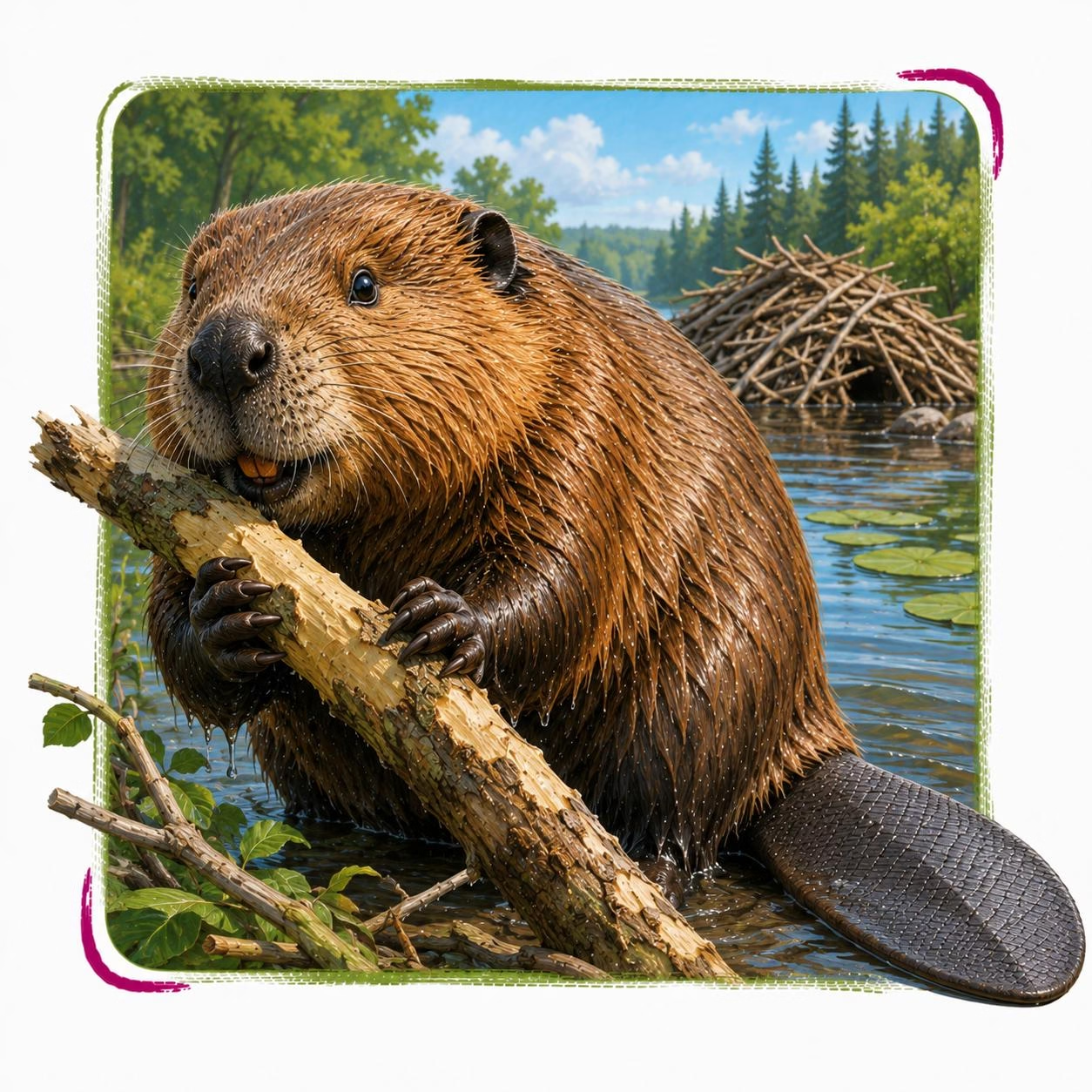
Beaver in its natural Rivers habitat