
Bee-Eater Facts for Kids
Bee-eaters are bright, colorful birds known for catching flying insects in the air. Many perch on branches, wires, or banks, then swoop out to grab bees, wasps, dragonflies, and other insects with quick flying skills.
Quick Bee-Eater Facts
- Animal Type: Bird
- Group: Bee-eater family and coraciiform bird
- Known For: Colorful feathers, catching bees, aerial hunting, burrow nests, and graceful flight
- Habitat: Open woodlands, savannas, grasslands, riverbanks, sandy cliffs, scrublands, farms, and warm habitats in Africa, Asia, southern Europe, and Australasia depending on species
- Diet: Bees, wasps, dragonflies, beetles, butterflies, flies, and other flying insects
What You’ll Learn
Discover 10 colorful bee-eater facts for kids about catching insects in flight, bright feathers, burrow nests, and migration, with a quiz, glossary, and activity
These facts are made simple for kids, parents, teachers, and curious little fact-finders.
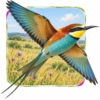
10 Fun Bee-Eater Facts for Kids
1. Bee-Eaters Are Birds
Bee-eaters are birds with feathers, wings, beaks, and eggs.
Kid Decode: A bee-eater is a flying color splash with bug-catching skills.
2. Bee-Eaters Catch Insects in the Air
Bee-eaters often fly from a perch to catch insects while they are moving through the air.
Kid Decode: Their dinner is served with wings and a chase scene.
3. Baby Bee-Eaters Are Chicks
Baby bee-eaters are called chicks and hatch from eggs in nest burrows.
Kid Decode: A bee-eater chick starts life inside a sandy tunnel nursery.
4. Bee-Eaters Eat Bees and Wasps
Bee-eaters are famous for eating bees and wasps, but they also eat many other flying insects.
Kid Decode: Their name tells one favorite snack, not the whole menu.
5. They Remove Stingers Carefully
Some bee-eaters rub or beat stinging insects against a branch before eating them.
Kid Decode: That is careful snack preparation, bird edition.
6. Bee-Eaters Are Colorful
Many bee-eaters have green, blue, yellow, chestnut, or red feathers.
Kid Decode: They can look like flying paintbrushes in sunlight.
7. Bee-Eaters Nest in Burrows
Many bee-eaters dig tunnels in sandy banks or cliffs for nesting.
Kid Decode: A sandy wall can become a hidden bird apartment.
8. Some Bee-Eaters Live in Groups
Many bee-eaters nest or feed near other bee-eaters in social groups.
Kid Decode: A bee-eater colony is a colorful cliff neighborhood.
9. Bee-Eaters Use Perches
Bee-eaters often wait on branches, wires, or posts before swooping after insects.
Kid Decode: The perch is their tiny lookout tower.
10. Bee-Eaters Need Insect-Rich Habitats
Bee-eaters need safe nesting banks, open flying spaces, and healthy insect populations.
Kid Decode: Protecting habitats keeps the colorful aerial hunters flying.
The Weirdest Bee-Eater Fact
A bee-eater may rub a bee or wasp on a branch to remove the sting before swallowing it.
Try This Bee-Eater Activity
Bee-Eater Drawing Activity
Draw a colorful bee-eater perched near a sandy riverbank. Add green and blue feathers, a long curved beak, flying bees, dragonflies, chicks in a burrow tunnel, flowers, branches, and swooping flight lines.
Quick Bee-Eater Quiz
- What animal group are bee-eaters in? Answer: Birds.
- What are baby bee-eaters called? Answer: Chicks.
- What do bee-eaters catch in the air? Answer: Flying insects.
- Where do many bee-eaters nest? Answer: In burrows in sandy banks or cliffs.
- What may bee-eaters do before eating a stinging insect? Answer: Rub or beat it against a branch.
Mini Glossary
- Bird: An animal with feathers, wings, and a beak.
- Chick: A baby bird.
- Aerial: Related to flying or the air.
- Burrow: A hole or tunnel used by an animal for shelter or nesting.
- Colony: A group of animals nesting or living close together.
 Okapi Facts for Kids
 Leafy Sea Dragon Facts for Kids
 Secretary Bird Facts for Kids
 Torvosaurus Facts for Kids
More Animal Facts for Kids
Visit the full animal facts library or explore a focused animal group.
More Extinct Animal Facts for Kids
Discover dinosaurs, Ice Age giants, prehistoric sea creatures, recently extinct species, and other animals from the past.
Fact check note: Fact checked with Britannica bee-eater resources, Britannica European bee-eater resources, and trusted bird education references.

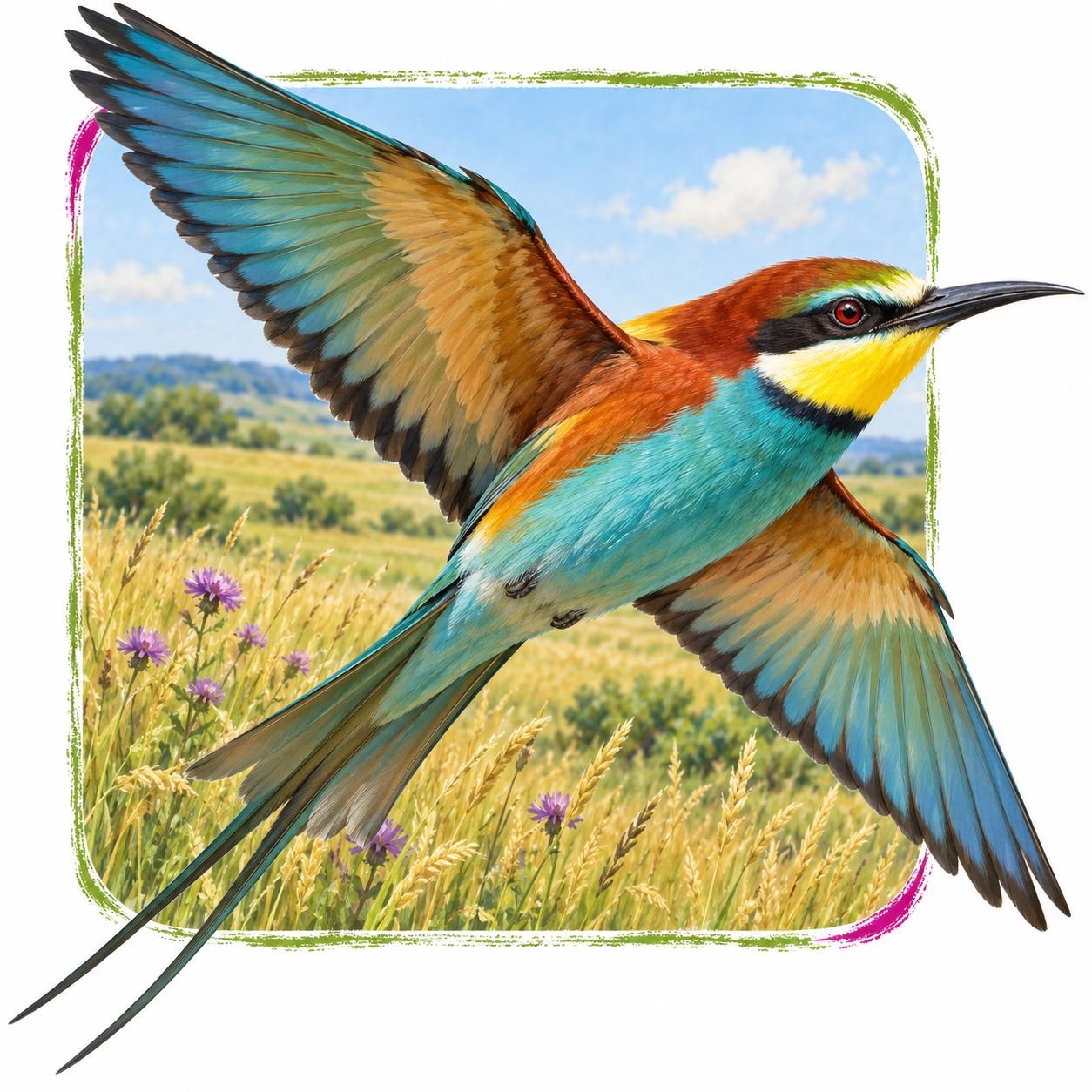
Bee-Eater in its natural Grasslands habitat