
Blackbird Facts for Kids
Blackbird can mean different birds in different places. In Europe, the common blackbird is a thrush with a beautiful song, while in the Americas, many blackbirds belong to a different songbird family. Both are known for calls, songs, and lively behavior.
Quick Blackbird Facts
- Animal Type: Bird
- Group: Songbird; common blackbird is a thrush, while many American blackbirds are icterids
- Known For: Dark feathers, songs, ground feeding, berries, insects, and garden or wetland habitats
- Habitat: Gardens, woodlands, parks, hedgerows, farms, fields, wetlands, marshes, forests, and open habitats depending on species
- Diet: Insects, worms, spiders, snails, berries, fruit, seeds, grain, and other small foods depending on species and season
What You’ll Learn
Explore 10 interesting blackbird facts for kids about songs, dark feathers, worms, nests, and garden habitats, plus a quiz, glossary, and activity
Clear explanations make them fun for children, families, teachers, and young nature explorers.
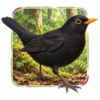
10 Fun Blackbird Facts for Kids
1. Blackbirds Are Birds
Blackbirds are birds with feathers, wings, beaks, and eggs.
Kid Decode: A blackbird is a dark-feathered singer with a bright voice.
2. The Name Can Mean Different Birds
The word blackbird can describe Old World thrushes or New World icterid birds.
Kid Decode: Same name, different branches of the bird family tree.
3. Baby Blackbirds Are Chicks
Baby blackbirds are called chicks and hatch from eggs in nests.
Kid Decode: A blackbird chick starts life as a tiny nest-noise machine.
4. Many Blackbirds Sing
Common blackbirds and many related songbirds are known for calls and songs.
Kid Decode: Their music can turn a garden into a morning concert.
5. Some Males Are Very Dark
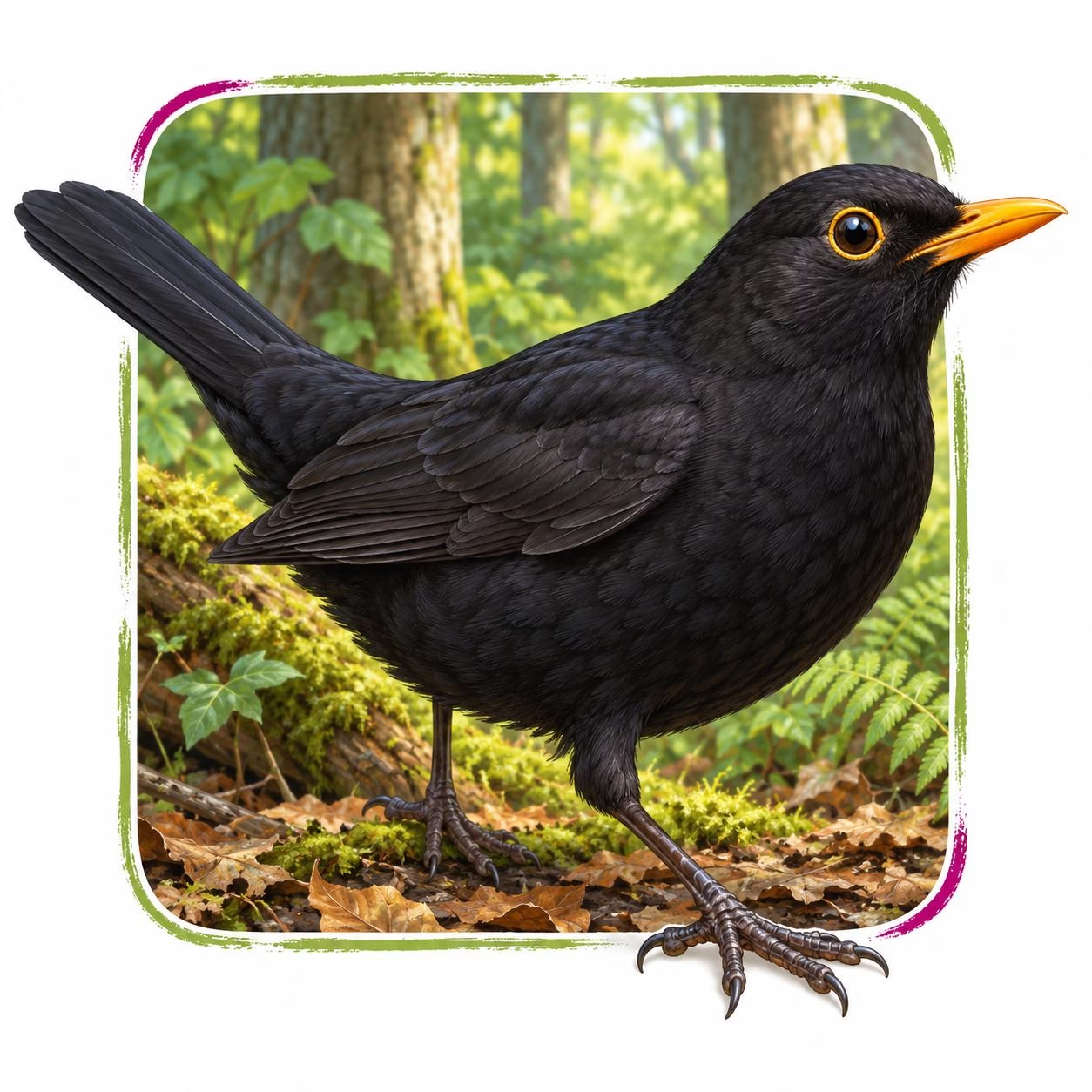
Male common blackbirds are usually black with a bright bill, while females are often browner.
Kid Decode: The male looks dressed for a tiny bird recital.
6. Blackbirds Feed on the Ground
Many blackbirds hop or walk on the ground while searching for worms, insects, and other food.
Kid Decode: The lawn becomes their snack-search stage.
7. Blackbirds Eat Berries
Blackbirds often eat berries and fruit, especially when insects are harder to find.
Kid Decode: Berries are little bird-sized juice boxes.
8. Blackbirds Build Cup Nests
Many blackbirds build cup-shaped nests from grass, twigs, mud, leaves, and soft materials.
Kid Decode: A blackbird nest is a carefully woven nursery.
9. Some Blackbirds Migrate
Some blackbirds travel seasonally, while others stay in the same area all year depending on species and location.
Kid Decode: Their travel plans depend on weather, food, and bird tradition.
10. Blackbirds Need Safe Habitats
Blackbirds need plants, insects, nesting places, berries, and safe wild or garden spaces.
Kid Decode: Healthy habitats keep the dark singers busy.
The Weirdest Blackbird Fact
The same word blackbird can point to different bird families depending on where you live.
Try This Blackbird Activity
Blackbird Drawing Activity
Draw a blackbird singing in a garden. Add dark feathers, bright bill, chicks in a cup nest, worms, berries, leaves, flowers, grass, musical notes, and a sunny hedge.
Quick Blackbird Quiz
- What animal group are blackbirds in? Answer: Birds.
- What are baby blackbirds called? Answer: Chicks.
- What does blackbird mean in Europe most often? Answer: The common blackbird, a thrush.
- What do many blackbirds eat? Answer: Insects, worms, berries, fruit, and seeds.
- Where do many blackbirds search for food? Answer: On the ground.
Mini Glossary
- Bird: An animal with feathers, wings, and a beak.
- Songbird: A bird known for calls or songs.
- Chick: A baby bird.
- Thrush: A songbird family that includes the common blackbird, robins, and many other birds.
- Migration: Seasonal or regular movement from one place to another.
 Loggerhead Sea Turtle Facts for Kids
 Mole Crab Facts for Kids
 Mudskipper Facts for Kids
 Cladoselache Facts for Kids
More Animal Facts for Kids
Visit the full animal facts library or explore a focused animal group.
More Extinct Animal Facts for Kids
Discover dinosaurs, Ice Age giants, prehistoric sea creatures, recently extinct species, and other animals from the past.
Fact check note: Fact checked with Britannica blackbird resources, Britannica common blackbird resources, Britannica Turdidae resources, and trusted bird education references.

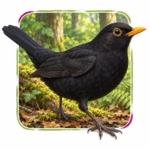
Blackbird in its natural Forests habitat