
Blue Whale Facts for Kids
Blue whales are the largest animals on Earth. These gentle ocean giants are mammals, breathe air through blowholes, use baleen to filter tiny krill, and can make deep sounds that travel through the sea.
Quick Blue Whale Facts
- Animal Type: Mammal
- Group: Baleen whale
- Known For: Largest animal on Earth
- Habitat: Oceans around the world
- Diet: Mostly krill
What You’ll Learn
Discover 10 enormous blue whale facts for kids about size, songs, blowholes, krill, and life in the ocean, plus a quiz, glossary, and blue whale activity
These simple facts are made for kids, parents, teachers, and curious young explorers.
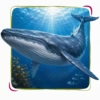
10 Fun Blue Whale Facts for Kids
1. Blue Whales Are the Largest Animals
Blue whales are the largest animals living today and the most massive animals known to have lived on Earth. They can grow longer than many school buses.
Kid Decode: A blue whale is the ocean’s gentle giant champion.
2. Blue Whales Are Mammals
Blue whales are mammals, not fish. They breathe air, give birth to live calves, and feed their babies milk.
Kid Decode: A blue whale is a giant sea mammal, not a giant fish.
3. Blue Whales Breathe Through Blowholes
Blue whales breathe through blowholes on top of their heads. They must come to the surface to take in air.
Kid Decode: A blue whale’s nose is on top like a sea chimney.
4. Blue Whales Are Baleen Whales
Blue whales do not have teeth for chewing. They have baleen plates that help filter tiny food from seawater.
Kid Decode: Blue whales eat with a giant ocean strainer.
5. Blue Whales Eat Tiny Krill
Even though blue whales are huge, they mostly eat tiny shrimp-like animals called krill.
Kid Decode: The biggest animal eats some of the tiniest snacks.
6. Blue Whale Calves Are Huge
A baby blue whale is called a calf. Blue whale calves are already enormous when they are born and grow quickly on rich milk.
Kid Decode: A baby blue whale starts life as a jumbo baby.
7. Blue Whales Make Deep Sounds
Blue whales can make very deep, low sounds that travel long distances underwater. These sounds help them communicate.
Kid Decode: Blue whale voices rumble through the ocean like deep drums.
8. Blue Whales Have Blubber
Blue whales have a thick layer of fat called blubber. Blubber helps keep them warm and stores energy.
Kid Decode: Blubber is a blue whale’s cozy ocean jacket.
9. Blue Whales Can Migrate
Some blue whales travel long distances between feeding areas and warmer breeding areas.
Kid Decode: Blue whales can take ocean road trips without roads.
10. Blue Whales Need Protection
Blue whales were once heavily hunted and are still endangered. Protection helps these ocean giants recover.
Kid Decode: Saving blue whales keeps the biggest heartbeat in the sea going.
The Weirdest Blue Whale Fact
The blue whale is the largest animal on Earth, but it mostly eats tiny krill instead of big fish.
Try This Blue Whale Activity
Blue Whale Drawing Activity
Draw a blue whale swimming through the deep ocean. Add a blowhole spray, tiny krill, sunlight rays, bubbles, a calf nearby, and a few small fish for scale.
Quick Blue Whale Quiz
- What is the largest animal on Earth? Answer: The blue whale.
- Are blue whales fish or mammals? Answer: Mammals.
- What tiny food do blue whales mostly eat? Answer: Krill.
- What do blue whales use to filter food? Answer: Baleen.
- How do blue whales breathe? Answer: Through blowholes at the surface.
Mini Glossary
- Krill: Tiny shrimp-like sea animals.
- Baleen: Bristly plates that filter food from water.
- Blowhole: A breathing opening on top of a whale’s head.
- Calf: A baby whale.
- Blubber: A thick fat layer that keeps whales warm.
 Indian Grey Mongoose Facts for Kids
 House Finch Facts for Kids
 Angelfish Facts for Kids
 Laughing Owl Facts for Kids
More Animal Facts for Kids
Visit the full animal facts library or explore a focused animal group.
More Extinct Animal Facts for Kids
Discover dinosaurs, Ice Age giants, prehistoric sea creatures, recently extinct species, and other animals from the past.
Fact check note: Fact checked with Britannica Kids blue whale resources, Britannica blue whale resources, and trusted marine mammal education references.

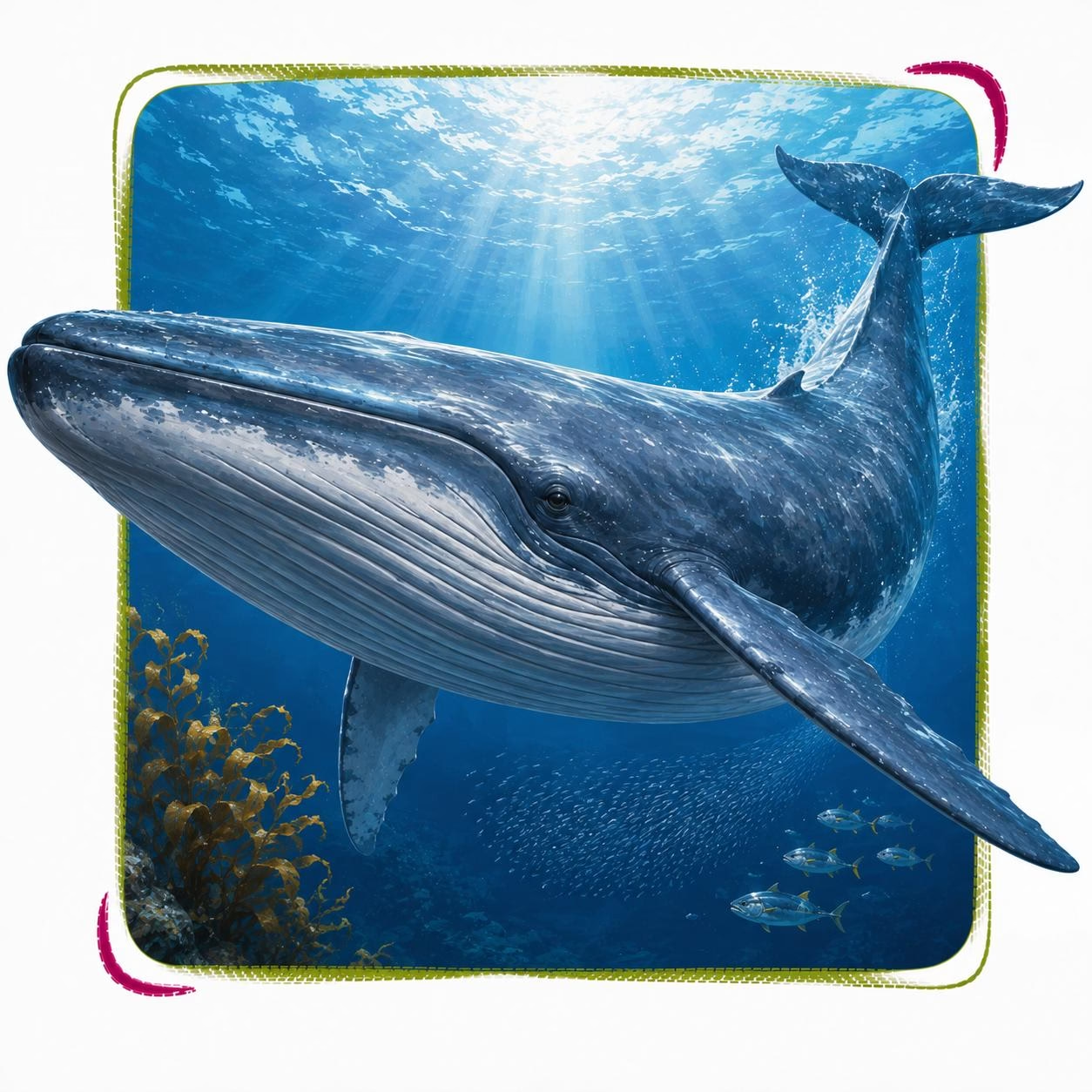
Blue Whale in its natural Oceans habitat