
Bongo Facts for Kids
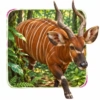
Bongos are large African forest antelopes with reddish coats, white stripes, big ears, and spiral horns. They live in dense forests, where their markings help them blend into shadows, leaves, and stripes of sunlight.
Quick Bongo Facts
- Animal Type: Mammal
- Group: Antelope and bovid
- Known For: White stripes, spiral horns, large size, forest life, shy behavior, and reddish coats
- Habitat: Dense forests, rainforests, forest edges, mountain forests, bamboo areas, and forest clearings in parts of Africa depending on subspecies
- Diet: Leaves, shoots, grasses, herbs, bark, fruit, roots, and other plant foods
What You’ll Learn
Discover 10 beautiful bongo facts for kids about white stripes, spiral horns, giant ears, forest habitats, and grazing, with a quiz, glossary, and activity
These facts are written simply for kids, parents, teachers, and curious little fact-finders.
10 Fun Bongo Facts for Kids
1. Bongos Are Mammals
Bongos are mammals, which means mothers feed milk to their young.
Kid Decode: A bongo is a striped forest giant with gentle antelope energy.
2. Bongos Are Antelopes
Bongos belong to the antelope family, which is part of the bovid group.
Kid Decode: They are forest antelopes wearing natural stripe pajamas.
3. Bongos Have White Stripes
Bongos have narrow white stripes on their bodies that help break up their shape in the forest.
Kid Decode: Those stripes are woodland camouflage lines.
4. Bongos Have Spiral Horns
Both male and female bongos can have long spiral horns.
Kid Decode: The horns look like nature twisted them with a careful hand.
5. Baby Bongos Are Calves
Baby bongos are called calves and stay hidden when they are very young.
Kid Decode: A bongo calf begins life as a quiet little forest secret.
6. Bongos Are Shy Animals
Bongos are often shy and may stay hidden in thick plants.
Kid Decode: They are not spotlight animals; they prefer leafy curtains.
7. Bongos Use Big Ears
Bongos have large ears that help them listen for sounds in the forest.
Kid Decode: Their ears are forest-listening dishes.
8. Bongos Eat Plants
Bongos are herbivores that browse on leaves, shoots, bark, fruit, and other plants.
Kid Decode: Their menu is a forest salad bar.
9. Bongos May Visit Salt Licks
Bongos may visit mineral-rich places called salt licks to get important nutrients.
Kid Decode: A salt lick is like a wild mineral snack stop.
10. Bongos Need Protected Forests
Bongos need healthy forests with food, cover, and safe space to live.
Kid Decode: Protecting forests keeps the striped antelopes hidden and safe.
The Weirdest Bongo Fact
Bongos are big antelopes, but their stripes can make them surprisingly hard to see in a shadowy forest.
Try This Bongo Activity
Bongo Drawing Activity
Draw a bongo standing in a thick African forest. Add white stripes, spiral horns, big ears, a calf hiding nearby, leaves, vines, forest shadows, fruit, and a mineral salt lick.
Quick Bongo Quiz
- What animal group are bongos in? Answer: Mammals.
- What type of mammal is a bongo? Answer: An antelope.
- What are baby bongos called? Answer: Calves.
- What pattern helps bongos blend into forests? Answer: White stripes.
- What do bongos mostly eat? Answer: Plants.
Mini Glossary
- Mammal: An animal that feeds milk to its young.
- Antelope: A hoofed mammal in the bovid family.
- Calf: A baby bongo or other hoofed mammal.
- Herbivore: An animal that eats mostly plants.
- Camouflage: Colors or patterns that help an animal blend in.

 Indian Cobra Facts for Kids
 Cone Snail Facts for Kids
 Rockhopper Penguin Facts for Kids
 Argentavis Facts for Kids
More Animal Facts for Kids
Visit the full animal facts library or explore a focused animal group.
More Extinct Animal Facts for Kids
Discover dinosaurs, Ice Age giants, prehistoric sea creatures, recently extinct species, and other animals from the past.
Fact check note: Fact checked with Britannica bongo resources, Britannica antelope resources, and trusted African wildlife education references.

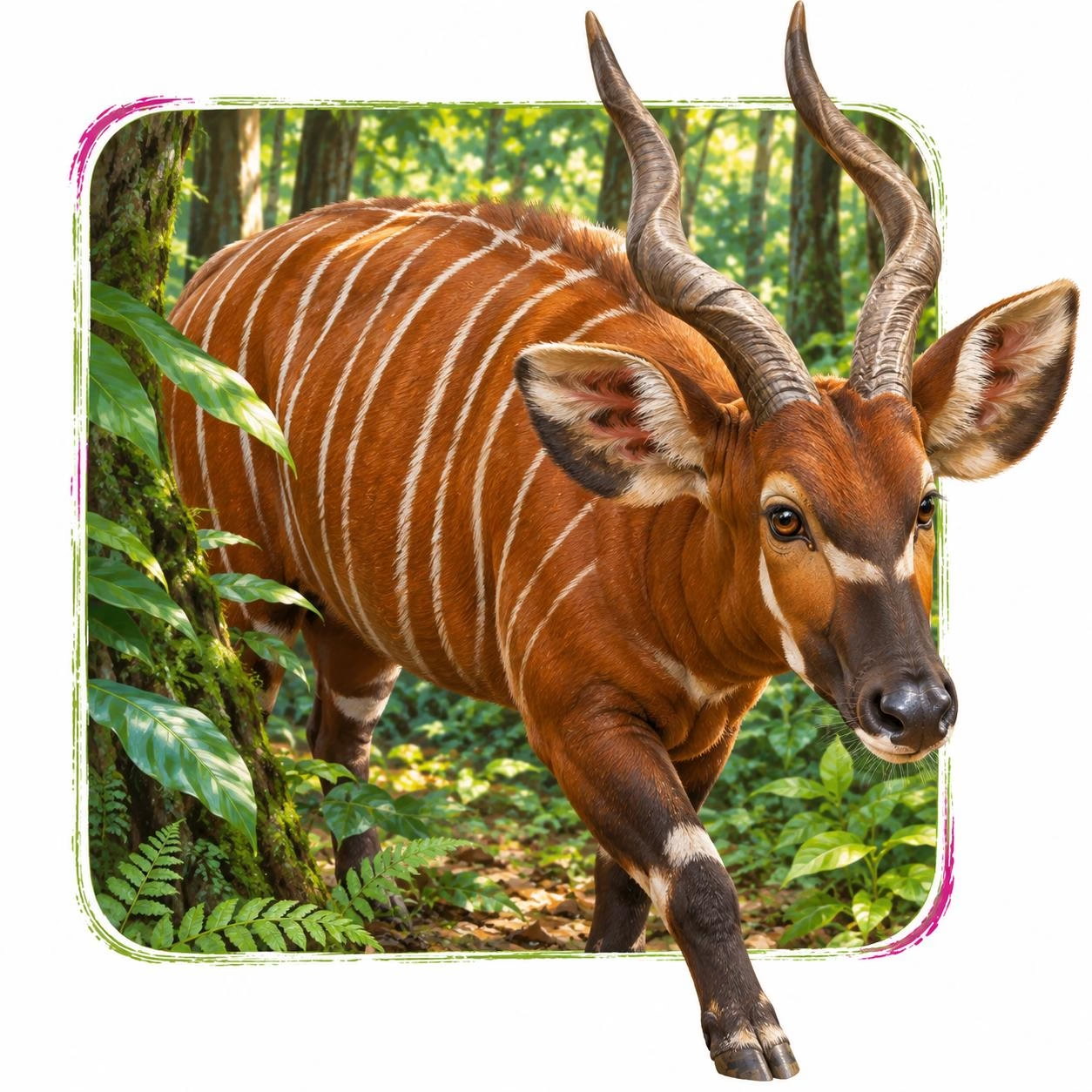
Bongo in its natural Rainforests habitat