
Brown Bear Facts for Kids
Brown bears are large, powerful bears found in parts of North America, Europe, and Asia. They can live in forests, mountains, tundra, and coastal areas, and they eat many kinds of food depending on where they live.
Quick Brown Bear Facts
- Animal Type: Mammal
- Group: Bear
- Known For: Size, strength, and shoulder hump
- Habitat: Forests, mountains, tundra, meadows, and coastal areas
- Diet: Berries, roots, grasses, insects, fish, carrion, and other animals
What You’ll Learn
Learn 10 fascinating brown bear facts for kids about size, hibernation, food, cubs, and powerful senses, with a quiz, glossary, and brown bear activity
Clear explanations make them useful for children, families, teachers, and young animal fans.
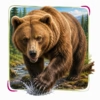
10 Fun Brown Bear Facts for Kids
1. Brown Bears Are Big Bears
Brown bears are among the largest bears on Earth. Their size depends on the subspecies, food supply, and where they live.
Kid Decode: A brown bear is a huge walking fur fortress.
2. Grizzly Bears Are Brown Bears
Grizzly bears are a type of brown bear found in North America. Not all brown bears are called grizzlies, but grizzlies belong to the brown bear family.
Kid Decode: A grizzly is a brown bear with a rugged nickname.
3. Brown Bears Are Omnivores
Brown bears eat both plants and animals. Their meals can include berries, grasses, roots, insects, fish, small mammals, and carrion.
Kid Decode: A brown bear menu can go from berries to salmon.
4. Brown Bears Have a Shoulder Hump
Brown bears often have a noticeable hump over their shoulders. This hump is made of strong muscles used for digging and powerful movement.
Kid Decode: A brown bear’s shoulder hump is its digging engine.
5. Brown Bears Have Long Claws
Brown bears have long claws that help them dig for roots, insects, and small animals. The claws also help with moving soil and turning over logs.
Kid Decode: Brown bear claws are nature’s garden tools.
6. Brown Bears Can Catch Salmon
In some coastal areas, brown bears catch salmon from rivers and streams. Salmon can give them lots of energy before winter.
Kid Decode: Some brown bears go fishing without a fishing rod.
7. Brown Bears Use Dens in Winter
In cold places, brown bears spend much of winter resting in dens. They live off body fat stored from eating well in warmer months.
Kid Decode: A bear den is a winter bedroom with no snack breaks.
8. Baby Brown Bears Are Called Cubs
Baby brown bears are called cubs. Cubs stay close to their mother while they learn what to eat, where to go, and how to stay safe.
Kid Decode: A brown bear cub is a fuzzy forest student.
9. Brown Bears Are Usually Solitary
Adult brown bears usually live alone, except mothers with cubs or when many bears gather near rich food sources like salmon streams.
Kid Decode: Brown bears enjoy solo life, unless dinner brings a crowd.
10. Brown Bears Can Swim
Brown bears are strong swimmers and may cross rivers or lakes when searching for food or moving through their habitat.
Kid Decode: A brown bear can paddle through water like a furry boat.
The Weirdest Brown Bear Fact
Brown bears have a big shoulder hump made of powerful muscles that help them dig and move with strength.
Try This Brown Bear Activity
Brown Bear Drawing Activity
Draw a brown bear standing near a river. Add a shoulder hump, long claws, salmon jumping, pine trees, rocks, and a cub watching nearby.
Quick Brown Bear Quiz
- Are brown bears omnivores? Answer: Yes.
- What is a baby brown bear called? Answer: A cub.
- What type of brown bear lives in North America? Answer: The grizzly bear.
- What fish do some brown bears catch? Answer: Salmon.
- What is the shoulder hump used for? Answer: Strong digging and movement.
Mini Glossary
- Omnivore: An animal that eats both plant and animal foods.
- Cub: A baby bear.
- Den: A protected animal shelter.
- Carrion: Dead animals eaten by scavengers.
- Grizzly: A North American type of brown bear.
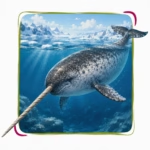 Narwhal Facts for Kids
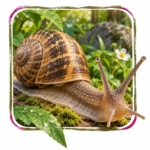 Snail Facts for Kids
 Glass Frog Facts for Kids
 Woolly Rhinoceros Facts for Kids
More Animal Facts for Kids
Visit the full animal facts library or explore a focused animal group.
More Extinct Animal Facts for Kids
Discover dinosaurs, Ice Age giants, prehistoric sea creatures, recently extinct species, and other animals from the past.
Fact check note: Fact checked with Britannica Kids brown bear resources, Britannica bear resources, National Geographic bear resources, and trusted wildlife education references.

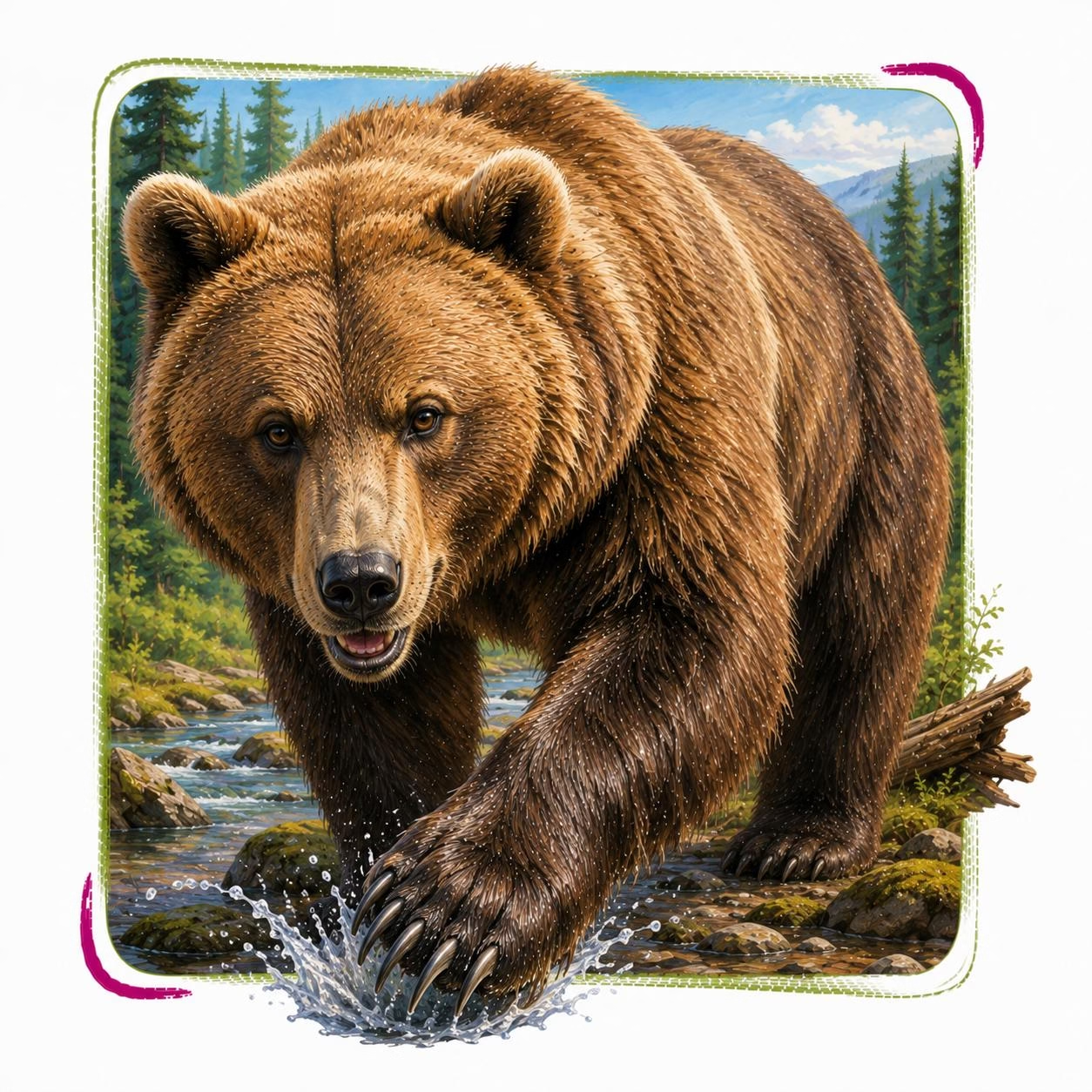
Brown Bear in its natural Forests habitat