
Bushpig Facts for Kids
The bushpig, Potamochoerus larvatus, is a sturdy wild pig native to eastern and southern Africa. It lives in forests, wetlands, scrub, mountains, farmland edges, and other places offering thick cover and food. Bushpigs are mainly active at night, use muscular snouts to root through soil, and live in family groups called sounders. They are close relatives of red river hogs but usually have darker, coarser coats and shorter ear tassels.
Quick Bushpig Facts
- Animal Type: Mammal
- Group: Wild pig or suid
- Known For: Bristly mane, rooting snout, sharp tusks, striped piglets, nighttime activity, and family sounders
- Habitat: Forests, wetlands, woodland, scrub, mountain slopes, river vegetation, and cultivated areas
- Diet: Roots, bulbs, tubers, fruit, seeds, insects, eggs, small animals, carrion, and crops
What You’ll Learn
Explore 10 surprising bushpig facts for kids about strong snouts, tusks, nighttime feeding, family groups, and African forests, with a quiz, glossary, and activity
Easy explanations make these facts fun for children, families, teachers, and curious young learners.

10 Fun Bushpig Facts for Kids
1. It Is an African Wild Pig
Bushpigs belong to the pig family, Suidae, along with warthogs, wild boars, and domestic pigs. They are not warthogs and lack the warthog’s long-legged, bare-faced look.
Kid Decode: The bushpig carries a shaggy forest coat instead of the warthog’s open-country uniform.
2. Its Coat Can Change With Age and Region
Bushpig fur ranges from reddish brown and gray-brown to almost black. A long ridge of bristles forms a mane along the back and can stand up when the animal is excited or alarmed.
Kid Decode: The back mane can rise like a warning flag made from stiff paintbrushes.
3. Piglets Are Born With Stripes
Young bushpigs have temporary pale yellow or brown stripes running along the body. The pattern helps them blend into vegetation and fades as they grow.
Kid Decode: Baby bushpigs begin life wearing striped forest pyjamas.
4. They Are Mostly Active at Night
Bushpigs usually rest in dense cover during the day and forage after sunset. Cooler weather, food, and human disturbance can change the schedule, so daytime activity also occurs.
Kid Decode: Darkness opens the bushpig’s underground snack hunt.
5. They Live in Groups Called Sounders
A typical sounder contains adults and young, often led by a dominant breeding pair. Group size varies, and family members communicate with grunts, squeals, growls, scent, and touch.
Kid Decode: A bushpig family meeting sounds more like a toolbox of grunts than a polite conversation.
6. Both Parents Can Defend the Young
Females give birth in a sheltered nest or hollow, and adult males can help guard and lead the piglets. This active father care is notable among many hoofed mammals.
Kid Decode: The boar is not merely nearby; he can become the piglet security guard.
7. The Snout Is a Powerful Digging Tool
Bushpigs root through soil and leaf litter for bulbs, roots, tubers, insect larvae, and other hidden food. Their digging can turn over large patches of ground.
Kid Decode: The nose works as a shovel, detector, and dinner fork all at once.
8. They Eat Almost Anything Available
Bushpigs are omnivores. Plant foods are important, but they also eat insects, eggs, small vertebrates, carrion, and crops such as maize, potatoes, and sugar cane.
Kid Decode: The menu can jump from wild fruit to beetle grubs to a farmer’s maize field.
9. They Sometimes Follow Fruit-Eating Monkeys
In forest habitats, bushpigs may trail beneath monkeys and collect fruit pieces dropped from the canopy. This lets them benefit from food gathered by animals high above.
Kid Decode: A monkey’s messy lunch can become a bushpig’s forest delivery service.
10. They Adapt Well but Can Clash With People
Bushpigs can survive in altered landscapes and may expand where crops provide food and cover. Crop damage, hunting, bushmeat pressure, and persecution can cause local problems even though the species remains widespread.
Kid Decode: Being clever around farms helps the pig survive but can also place it in the middle of a human argument.
The Weirdest Bushpig Fact
Bushpig piglets are born with pale body stripes that fade as they grow, making the babies look dramatically different from the dark bristly adults.
Try This Bushpig Activity
Bushpig Night-Rooting Drawing Activity
Draw a bushpig sounder foraging after sunset. Add a dark shaggy adult with a raised bristly mane, short ear tassels, an upward-curving tusk, a muscular snout digging for bulbs and insect larvae, striped piglets beside a sheltered nest, fallen fruit beneath monkeys, muddy wallows, and crops at the forest edge.
Quick Bushpig Quiz
- Which animal family contains the bushpig? Answer: Suidae, the pig family.
- When are bushpigs mainly active? Answer: At night.
- What is a bushpig group called? Answer: A sounder.
- What special pattern do young piglets have? Answer: Temporary pale stripes.
- How does a bushpig find underground food? Answer: It roots with its strong snout.
Mini Glossary
- Suid: A member of the pig family, Suidae.
- Sounder: A social group of wild pigs.
- Omnivore: An animal that eats both plant and animal food.
- Rooting: Digging and pushing through soil with the snout to uncover food.
- Precocial: Relatively well developed and able to move soon after birth.
 Hog Facts for Kids
 Sailfish Facts for Kids
 Wild Boar Facts for Kids
 Kaprosuchus Facts for Kids
More Animal Facts for Kids
Visit the full animal facts library or explore a focused animal group.
More Extinct Animal Facts for Kids
Discover dinosaurs, Ice Age giants, prehistoric sea creatures, recently extinct species, and other animals from the past.
Fact check note: Fact checked with Animal Diversity Web’s Potamochoerus larvatus account, SANBI’s regional Red List assessment, current IUCN-linked conservation information, SANParks species records, and published reviews of bushpig ecology and distribution.

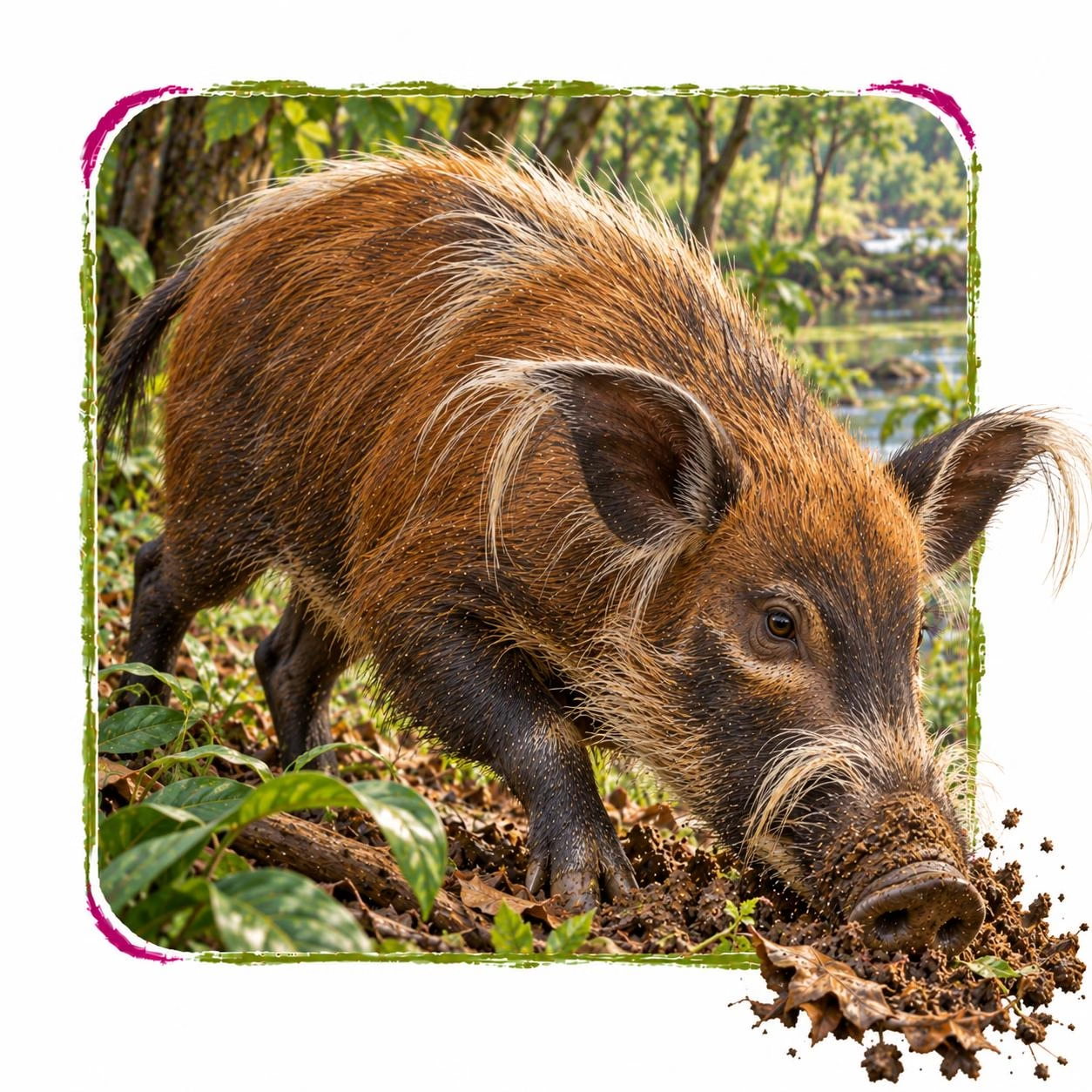
Bushpig in its natural Forests, riverine vegetation, wetlands, woodland, scrub, mountain slopes, plantations, cropland edges, and other dense-cover habitats across eastern and southern Africa and introduced island populations habitat