
Camel Facts for Kids
Camels are desert-ready mammals famous for their humps, long eyelashes, wide feet, and amazing ability to survive in dry places. They have helped people travel, carry goods, and live in harsh desert regions for thousands of years.
Quick Camel Facts
- Animal Type: Mammal
- Group: Hoofed mammal
- Known For: Humps and desert survival
- Habitat: Deserts, dry grasslands, and semi-arid regions
- Diet: Thorny plants, shrubs, dry grasses, and other tough plants
What You’ll Learn
Learn 10 fascinating camel facts for kids about humps, desert survival, long eyelashes, feet, and more, plus a quiz, glossary, and camel activity
Everything is explained simply for kids, parents, teachers, and curious young learners.
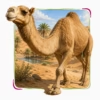
10 Fun Camel Facts for Kids
1. Camels Do Not Store Water in Their Humps
Camel humps store fat, not water. The fat can be used for energy when food is hard to find.
Kid Decode: A camel hump is a snack battery, not a water bottle.
2. There Are One-Humped and Two-Humped Camels
Dromedary camels have one hump, while Bactrian camels have two humps. Different camel types are adapted to different dry places.
Kid Decode: Camels come in one-hump and two-hump editions.
3. Camels Can Go a Long Time Without Water
Camels are very good at saving water in their bodies. This helps them survive in dry environments where water is hard to find.
Kid Decode: Camels are desert water-saving champions.
4. Camels Can Drink Quickly
When water is available, camels can drink a large amount in a short time to rehydrate.
Kid Decode: A thirsty camel can refill like a furry desert tank.
5. Camels Have Long Eyelashes
Camels have long eyelashes that help protect their eyes from blowing sand and bright sun.
Kid Decode: Camel eyelashes are tiny desert curtains.
6. Camels Can Close Their Nostrils
Camels can close their nostrils to help keep out sand during dusty desert winds.
Kid Decode: Camels have built-in sandstorm shields.
7. Camels Have Wide Feet
Camel feet are wide and padded, helping them walk on soft sand without sinking too much.
Kid Decode: Camel feet are nature’s desert snowshoes.
8. Baby Camels Are Called Calves
A baby camel is called a calf. Camel calves can often stand and walk soon after birth.
Kid Decode: A baby camel joins the desert walking club quickly.
9. Camels Eat Tough Plants
Camels can eat thorny plants, dry grasses, shrubs, and other tough foods that many animals avoid.
Kid Decode: Camels can munch on prickly desert snacks.
10. Camels Are Called Ships of the Desert
Camels are sometimes called ships of the desert because they can carry people and goods across sandy, dry places.
Kid Decode: A camel is the desert’s slow and steady cargo cruiser.
The Weirdest Camel Fact
Camel humps do not store water. They store fat that camels can use for energy when food is scarce.
Try This Camel Activity
Camel Drawing Activity
Draw a camel walking across a desert. Add a hump, long eyelashes, wide feet, sand dunes, a bright sun, and a small oasis in the background.
Quick Camel Quiz
- Do camel humps store water? Answer: No, they store fat.
- What is a baby camel called? Answer: A calf.
- How many humps does a dromedary camel have? Answer: One.
- How do long eyelashes help camels? Answer: They protect the eyes from sand and sun.
- Why are camels called ships of the desert? Answer: They can carry people and goods across deserts.
Mini Glossary
- Dromedary: A camel with one hump.
- Bactrian: A camel with two humps.
- Calf: A baby camel.
- Arid: Very dry.
- Hump: A raised part on a camel’s back that stores fat.

 Harlequin Duck Facts for Kids
 Ape Facts for Kids
 Flea Facts for Kids
 Amphicyon Facts for Kids
More Animal Facts for Kids
Visit the full animal facts library or explore a focused animal group.
More Extinct Animal Facts for Kids
Discover dinosaurs, Ice Age giants, prehistoric sea creatures, recently extinct species, and other animals from the past.
Fact check note: Fact checked with Britannica Kids camel resources, Britannica camel resources, and trusted wildlife education references.

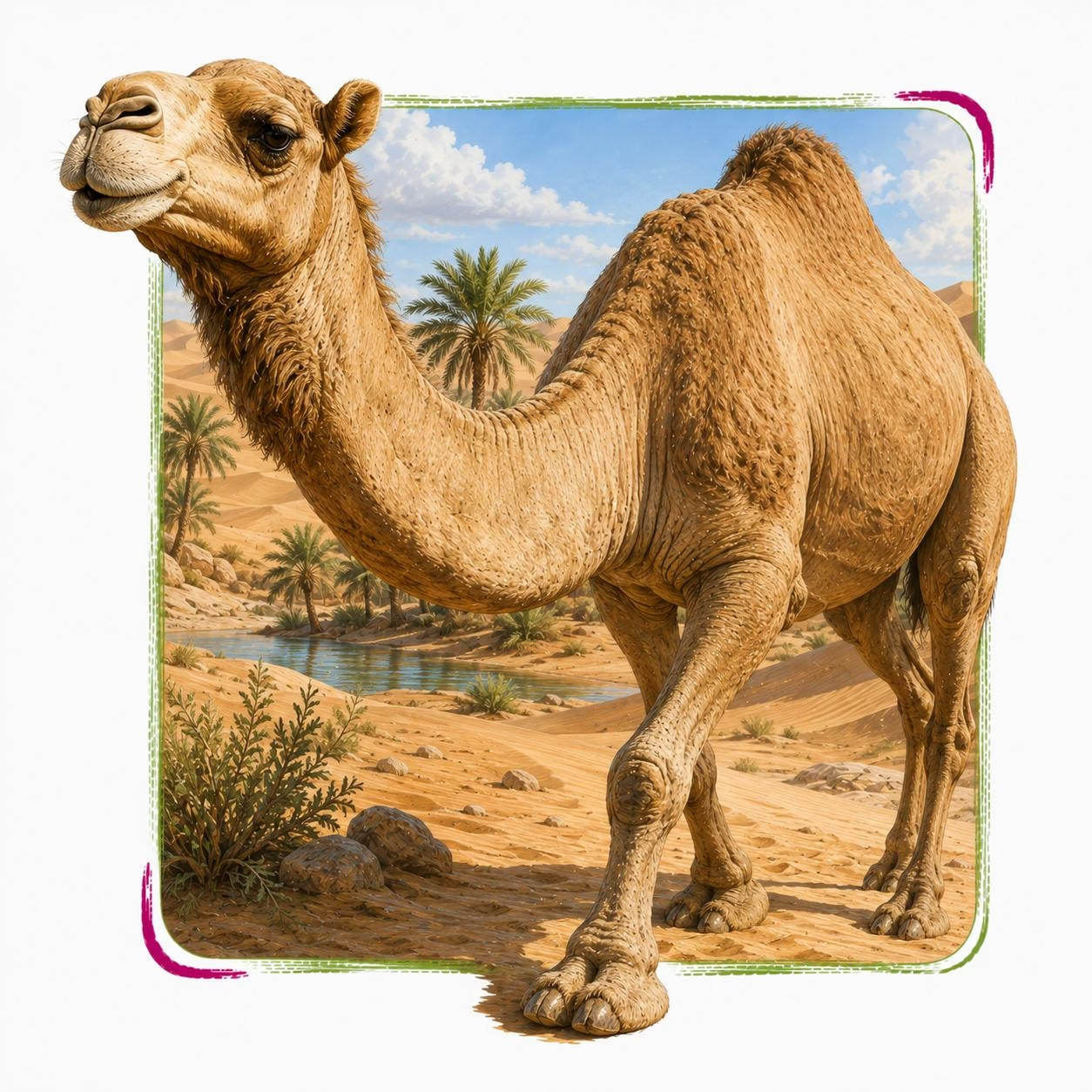
Camel in its natural Deserts habitat