
Carpenter Bee Facts for Kids
Carpenter bees are sturdy bees named for the way many species tunnel into wood to make nests. They are important pollinators, and many look like bumblebees but often have shinier, less hairy abdomens.
Quick Carpenter Bee Facts
- Animal Type: Insect
- Group: Bee and carpenter bee genus Xylocopa
- Known For: Wood tunnels, solitary nesting, strong jaws, pollination, shiny abdomens, nectar feeding, and pollen food for larvae
- Habitat: Gardens, forests, woodlands, orchards, farms, dead wood, bamboo, plant stems, fences, decks, wooden buildings, and flower-rich areas depending on species
- Diet: Nectar, pollen, flower resources, and pollen-nectar food stored for larvae
What You’ll Learn
Learn 10 fuzzy bumblebee facts for kids about buzzing flight, pollen, colonies, queens, and important pollination work, with a quiz, glossary, and activity
These simple facts are written for kids, parents, teachers, and curious young minds.
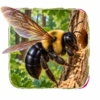
10 Fun Carpenter Bee Facts for Kids
1. Carpenter Bees Are Insects
Carpenter bees are insects with six legs, three body parts, antennae, and wings.
Kid Decode: A carpenter bee is a buzzing builder with flower errands.
2. Carpenter Bees Are Bees
Carpenter bees belong to the bee group and are pollinator relatives of bumblebees and honeybees.
Kid Decode: They are bees with tiny woodshop skills.
3. Baby Carpenter Bees Are Larvae
Young carpenter bees are called larvae and grow inside nest tunnels.
Kid Decode: A carpenter bee larva is a little grub in a wooden nursery room.
4. Many Carpenter Bees Nest in Wood
Female carpenter bees can chew tunnels into wood, stems, or plant material for nesting.
Kid Decode: They do not eat the wood; they carve it like tiny tunnel makers.
5. Carpenter Bees Store Pollen Food
Females place pollen and nectar food inside nest cells for the larvae.
Kid Decode: Each baby gets a little flower-food lunchbox.
6. Most Carpenter Bees Are Solitary
Many carpenter bees live mostly alone instead of in large honeybee-style colonies.
Kid Decode: One mother bee can run a small wooden nursery by herself.
7. Carpenter Bees Are Pollinators
Carpenter bees visit flowers for nectar and pollen and can help plants make seeds.
Kid Decode: They are noisy garden workers with pollen on the job.
8. Some Carpenter Bees Buzz Pollinate
Some carpenter bees vibrate flowers to shake loose pollen.
Kid Decode: The flower gets a tiny bee-powered buzz massage.
9. Males Cannot Sting
Male carpenter bees may hover near nests, but they do not have stingers.
Kid Decode: The loud guard bee may be all bluster and no sting.
10. Females Can Sting if Handled
Female carpenter bees can sting if grabbed or threatened, so they should be watched gently.
Kid Decode: Best rule: admire the bee and leave the nest alone.
The Weirdest Carpenter Bee Fact
A carpenter bee can chew a round doorway into wood, then build tiny nursery rooms inside the tunnel.
Try This Carpenter Bee Activity
Carpenter Bee Drawing Activity
Draw a carpenter bee near a flower and a wooden tunnel. Add shiny abdomen, fuzzy thorax, wings, antennae, round nest entrance, larvae in tunnel cells, pollen food balls, nectar drops, wood grain, and flower petals.
Quick Carpenter Bee Quiz
- What animal group are carpenter bees in? Answer: Insects.
- What are baby carpenter bees called? Answer: Larvae.
- Where do many carpenter bees build nests? Answer: In wood, stems, or plant material.
- Do carpenter bees eat the wood they tunnel into? Answer: No, they tunnel for nesting.
- What flower foods do carpenter bees collect? Answer: Nectar and pollen.
Mini Glossary
- Insect: An animal with six legs, three body parts, and antennae.
- Larva: A young stage that looks different from the adult.
- Pollinator: An animal that helps move pollen between flowers.
- Solitary: Living mostly alone instead of in a large colony.
- Nest Cell: A small space where an insect egg or larva grows.
 Chinchilla Facts for Kids
 Hercules Beetle Facts for Kids
 Gibbon Facts for Kids
 Riojasaurus Facts for Kids
More Animal Facts for Kids
Visit the full animal facts library or explore a focused animal group.
More Extinct Animal Facts for Kids
Discover dinosaurs, Ice Age giants, prehistoric sea creatures, recently extinct species, and other animals from the past.
Fact check note: Fact checked with Britannica carpenter bee resources, Britannica bee resources, and trusted native pollinator education references.

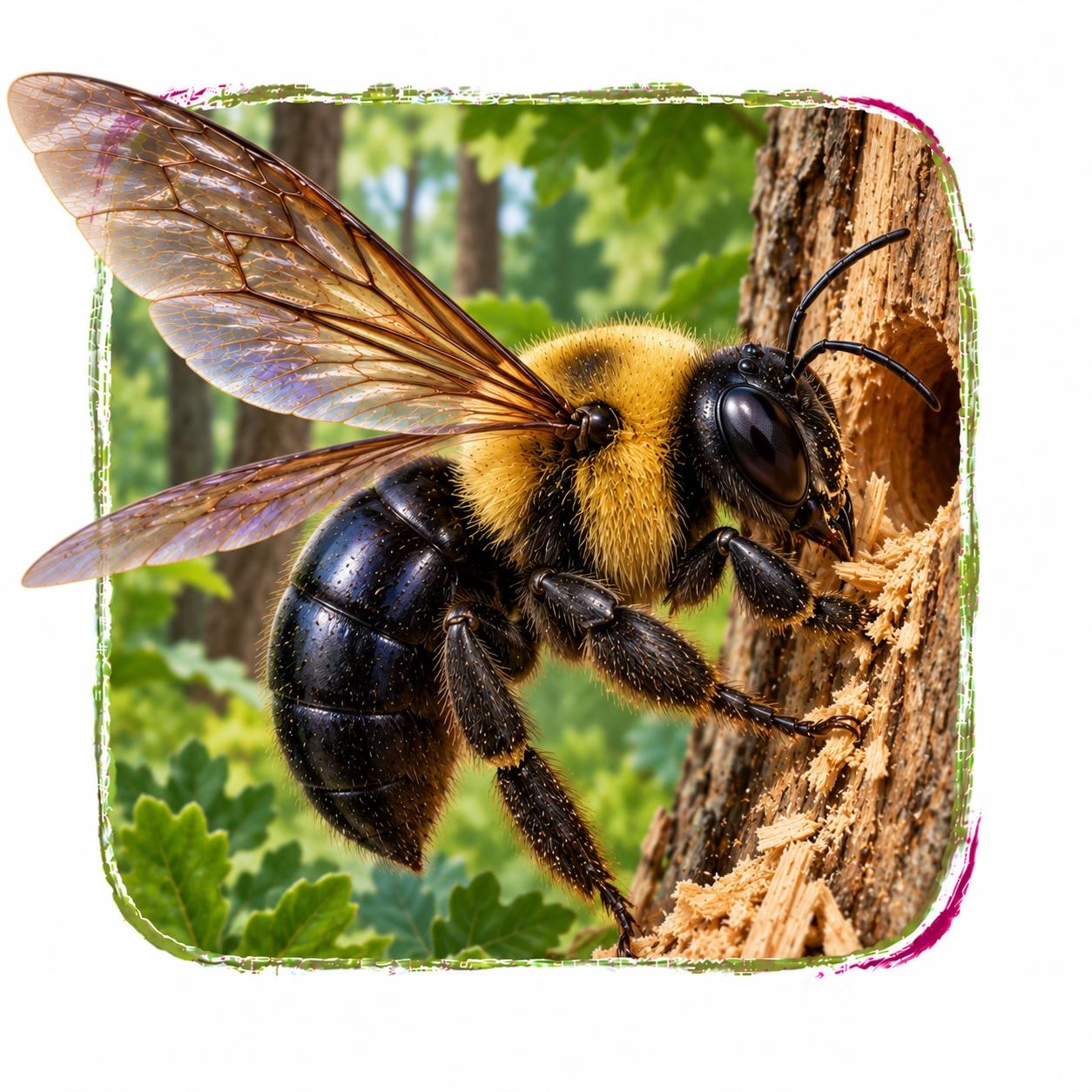
Carpenter Bee in its natural Forests habitat