
Centipede Facts for Kids
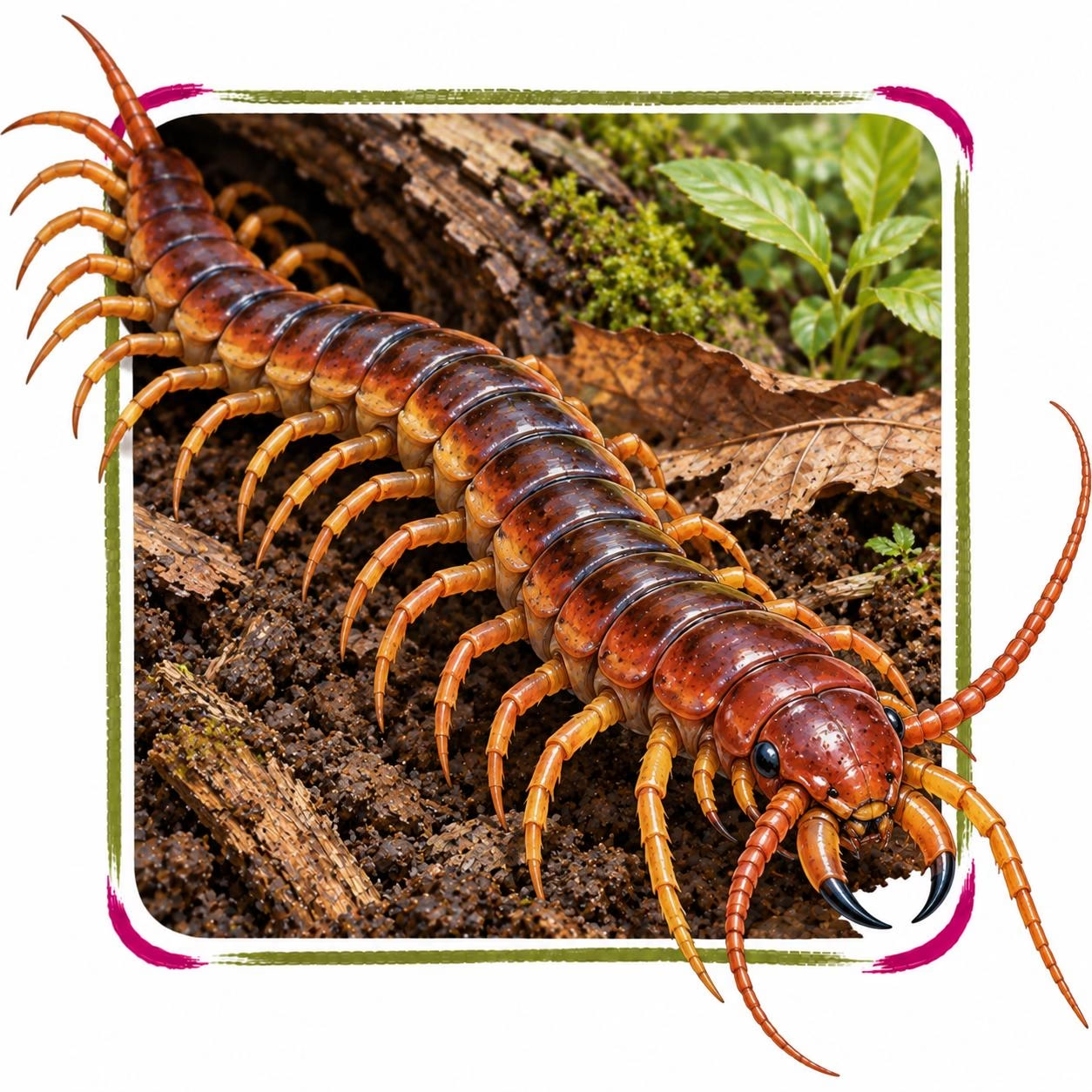
Centipedes are fast many-legged arthropods that hunt small animals in moist hidden places. They have one pair of legs on each body segment and special venom claws, so wild centipedes should be watched from a safe distance and never handled.
Quick Centipede Facts
- Animal Type: Arthropod
- Group: Myriapod and class Chilopoda
- Known For: Many legs, one pair of legs per body segment, venom claws called forcipules, fast movement, eggs, juveniles, antennae, and nighttime hunting
- Habitat: Leaf litter, soil, under rocks, under logs, bark, caves, gardens, forests, deserts, damp basements, and moist hidden spaces depending on species
- Diet: Insects, spiders, worms, small arthropods, snails, larvae, and sometimes small vertebrates in larger species
What You’ll Learn
Discover 10 wriggly earthworm facts for kids about segmented bodies, soil tunnels, feeding, moisture, and helping healthy soil, plus a quiz, glossary, and activity
Easy explanations make them fun for children, families, teachers, and young nature fans.
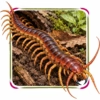
10 Fun Centipede Facts for Kids
1. Centipedes Are Arthropods
Centipedes are arthropods, so they have jointed legs, segmented bodies, and an outer skeleton called an exoskeleton.
Kid Decode: A centipede is a fast little armor train with too many shoes.
2. They Are Myriapods
Centipedes belong to the myriapod group, which includes many-legged animals such as centipedes and millipedes.
Kid Decode: Myriapod sounds fancy, but it basically means the many-leg club.
3. Baby Centipedes Are Juveniles
Centipedes hatch from eggs as young juveniles, and some kinds gain more legs as they grow.
Kid Decode: A young centipede may still be adding legs to the equipment list.
4. They Have One Leg Pair Per Segment
Centipedes have one pair of legs on each body segment.
Kid Decode: That is the quick clue that separates centipedes from millipedes.
5. They Do Not Have Exactly 100 Legs
Even though centipede means hundred-foot, centipedes do not have exactly 100 legs.
Kid Decode: The name is more nickname than math homework.
6. They Have Venom Claws
Centipedes use modified front legs called forcipules to deliver venom to prey.
Kid Decode: Their “fangs” are actually leg-tools. Tiny monster engineering!
7. They Are Predators
Centipedes hunt other small animals instead of eating mostly dead leaves.
Kid Decode: This many-legged hunter prefers moving snacks.
8. They Like Hidden Places
Many centipedes hide under rocks, logs, leaves, or bark during the day.
Kid Decode: They are secret hallway creatures of the damp ground.
9. They Molt as They Grow
Centipedes shed their exoskeleton when they need to grow.
Kid Decode: Molting is how the armor gets upgraded.
10. They Need Respectful Space
Centipedes can pinch or bite painfully, so people should not touch wild centipedes.
Kid Decode: The smart rule is look with eyes, not fingers.
The Weirdest Centipede Fact
A centipede’s venom claws are modified legs, not normal teeth.
Try This Centipede Activity
Centipede Drawing Activity
Draw a centipede under a damp log. Add one pair of legs per segment, long antennae, forcipule labels, eggs, juveniles, shed exoskeleton, insect prey, leaf litter, rocks, and a “look, do not touch” safety sign.
Quick Centipede Quiz
- What animal group are centipedes in? Answer: Arthropods.
- What are young centipedes called? Answer: Juveniles.
- How many leg pairs are on each body segment? Answer: One pair.
- What are centipede venom claws called? Answer: Forcipules.
- Should people pick up wild centipedes? Answer: No, watch them from a safe distance.
Mini Glossary
- Arthropod: An animal with jointed legs and an outer skeleton.
- Juvenile: A young animal that is not fully grown.
- Myriapod: A many-legged arthropod group that includes centipedes and millipedes.
- Forcipules: Modified front legs that centipedes use to deliver venom.
- Exoskeleton: A hard outer body covering that supports and protects an arthropod.


 Stag Beetle Facts for Kids
 Coati Facts for Kids
 Bumblebee Facts for Kids
 Apatosaurus Facts for Kids
More Animal Facts for Kids
Visit the full animal facts library or explore a focused animal group.
More Extinct Animal Facts for Kids
Discover dinosaurs, Ice Age giants, prehistoric sea creatures, recently extinct species, and other animals from the past.
Fact check note: Fact checked with Britannica centipede resources, Library of Congress centipede and millipede comparison resources, and trusted arthropod education references.

Centipede in its natural Soil habitat