
Chital Facts for Kids
The chital, Axis axis, is a medium-sized deer native to the Indian subcontinent. It is also called the spotted deer or axis deer. Both adults and fawns carry rows of white spots on a golden-brown coat, while males grow long three-tined antlers. Chital thrive where open grass and forest cover occur together, forming flexible herds and feeding on grasses, leaves, fruit, flowers, and mushrooms.
Quick Chital Facts
- Animal Type: Mammal
- Group: Deer family, Cervidae
- Known For: Lifelong white spots, three-tined male antlers, flexible herds, and alarm calls
- Habitat: Grasslands, deciduous forests, riverine woodland, scrub, and forest edges
- Diet: Grasses, sedges, leaves, shoots, flowers, fruit, and fungi
What You’ll Learn
Discover 10 spotted chital facts for kids about white spots, antlers, herd life, grazing, and South Asian forests, with a quiz, glossary, and activity
These simple facts are made for kids, parents, teachers, and curious little fact-hunters.

10 Fun Chital Facts for Kids
1. Adults Keep Their White Spots
Unlike many deer that lose their fawn spots, chital retain rows of white spots throughout life. A dark stripe runs along the back, while the belly, inner legs, and underside of the tail are pale.
Kid Decode: The baby pattern never retires; adult chital keep their starry white coat.
2. Chital Has Several Common Names
The animal is called chital, cheetal, spotted deer, and axis deer. The word chital comes from a South Asian root connected with being spotted or variegated.
Kid Decode: One deer answers to a small herd of names, all pointing toward its spotted coat.
3. Only Males Grow Antlers
Male chital grow long branching antlers, usually with three main points on each side. The antlers are bone, grow under velvet, harden, and are later shed before a new set develops.
Kid Decode: The stag grows a branching crown, drops it, and starts the construction project again.
4. Antler Cycles Are Not Perfectly Synchronized
In tropical populations, breeding and antler cycles can occur across much of the year. One herd may therefore contain a hard-antlered male, another in velvet, and another that has recently shed.
Kid Decode: The same herd can display three chapters of the antler calendar at once.
5. They Need Grass and Forest Together
Open grasslands provide feeding areas, while nearby woodland offers shade, fallen fruit, leaves, and cover from heat or danger. Riverine forest can become especially valuable during dry seasons.
Kid Decode: The ideal chital neighbourhood has a grassy dining room beside a leafy hiding room.
6. They Form Flexible Herds
Females and young often form matriarchal or nursery groups, while males may travel alone, join bachelor groups, or follow female herds. Group size changes with season, food, predators, and breeding.
Kid Decode: A chital herd behaves less like one permanent club and more like a shifting wildlife crowd.
7. They Sometimes Team Up With Langurs
Chital often feed beneath gray langur monkeys, collecting leaves, flowers, and fruit dropped from the canopy. They also pay attention to langur alarm calls, while both animals gain extra eyes and ears for predators.
Kid Decode: A messy monkey lunch becomes deer delivery, with a shared forest alarm system included.
8. Alarm Barks Warn the Herd
Females and young can produce repeated barking calls after spotting danger. Chital also raise the pale underside of the tail while fleeing, adding a bright visual signal for nearby herd members.
Kid Decode: One bark and one flashing white tail can turn a quiet herd into a sprinting warning message.
9. Fawns Hide Before Joining the Herd
A female usually gives birth to one fawn, although numbers and timing vary. The newborn remains hidden for a short period before becoming strong enough to follow its mother and mix with the herd.
Kid Decode: The spotted newborn begins as a hidden bundle and soon graduates into the moving crowd.
10. Protection Varies Across Their Range
Chital is currently classed globally as Least Concern and remains common in many protected areas. Hunting, habitat changes, livestock competition, and local isolation can still reduce populations, while introduced chital may become invasive outside Asia.
Kid Decode: A species can be common at home yet troublesome abroad and scarce in particular neighbourhoods.
The Weirdest Chital Fact
Because tropical breeding and antler cycles are not perfectly synchronized, three adult males standing together may show polished antlers, velvet-covered antlers, and no antlers at all.
Try This Chital Activity
Chital Forest-and-Grassland Drawing Activity
Draw a chital herd where open grass meets South Asian forest. Add a stag with three-tined antlers, another male with velvet antlers, spotted females, one hidden fawn, a raised white tail, a barking alarm bubble, langurs dropping leaves and fruit, and a tiger or dhole watching from a safe distance.
Quick Chital Quiz
- What other names are used for chital? Answer: Spotted deer and axis deer.
- Do adult chital keep their white spots? Answer: Yes.
- Which sex normally grows antlers? Answer: Males.
- How do langurs sometimes help chital? Answer: They drop plant food and give alarm calls that chital can notice.
- What two habitat features do chital often need together? Answer: Open feeding areas and nearby forest cover.
Mini Glossary
- Cervid: A member of the deer family.
- Velvet: The soft blood-rich skin covering a growing antler.
- Matriarchal Herd: A group centred on adult females and their young.
- Riverine: Living or growing beside a river.
- Invasive Species: A species introduced outside its native range that spreads and causes ecological harm.

 Scarlet Macaw Facts for Kids
 Harvestman Facts for Kids
 Ring-Tailed Lemur Facts for Kids
 Elasmosaurus Facts for Kids
More Animal Facts for Kids
Visit the full animal facts library or explore a focused animal group.
More Extinct Animal Facts for Kids
Discover dinosaurs, Ice Age giants, prehistoric sea creatures, recently extinct species, and other animals from the past.
Fact check note: Fact checked with Animal Diversity Web’s Axis axis account, the IUCN-linked conservation assessment, recent research on chital reproductive seasonality and antler cycles, and field studies of chital associations with gray langurs.

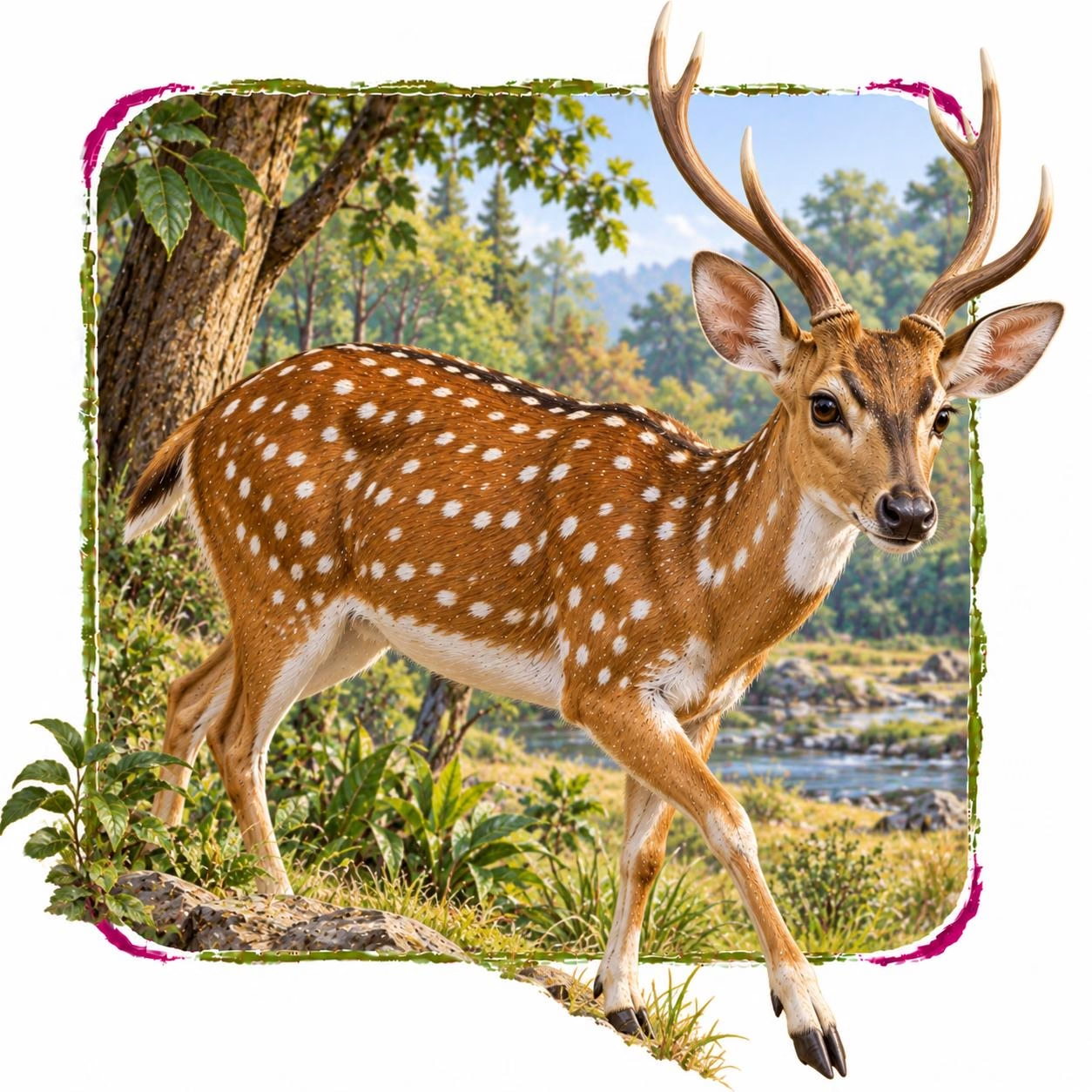
Chital in its natural Deciduous and semi-evergreen forests, riverine woodland, grasslands, scrub, forest edges, and open habitats with nearby cover across the Indian subcontinent habitat