
Cicada Facts for Kids
Cicadas are noisy insects famous for their loud summer songs. Many live quietly underground as nymphs for years, then climb up trees, shed their old skins, grow wings, sing, mate, and begin the next cicada generation.
Quick Cicada Facts
- Animal Type: Insect
- Group: True bug and cicada family
- Known For: Loud male songs, tymbals, clear wings, underground nymphs, shed skins, and tree sap feeding
- Habitat: Forests, woodlands, parks, gardens, orchards, grasslands, tree roots, shrubs, and warm or temperate places with trees depending on species
- Diet: Plant sap from roots as nymphs and plant fluids from trees or shrubs as adults
What You’ll Learn
Explore 10 microscopic mite facts for kids about tiny bodies, eight legs, habitats, feeding, and their many different lifestyles, plus a quiz, glossary, and activity
Easy explanations make them great for children, families, teachers, and little fact-finders.
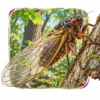
10 Fun Cicada Facts for Kids
1. Cicadas Are Insects
Cicadas are insects with six legs, three body parts, antennae, and wings as adults.
Kid Decode: A cicada is a tiny tree singer with a volume button stuck on high.
2. Cicadas Are True Bugs
Cicadas belong to the true bug order, which includes insects with straw-like mouthparts.
Kid Decode: Their mouthparts work like tiny sap-sipping straws.
3. Baby Cicadas Are Nymphs
Young cicadas are called nymphs and live underground for much of their lives.
Kid Decode: A cicada nymph is a secret soil explorer.
4. Cicadas Drink Tree Sap
Cicada nymphs feed on plant fluids from roots, while adults sip plant fluids from trees and shrubs.
Kid Decode: Their meals are tree juice, not picnic crumbs.
5. Male Cicadas Make Loud Songs
Male cicadas make loud buzzing or clicking songs to attract females.
Kid Decode: One cicada can sound like a tiny summer alarm.
6. Cicadas Use Tymbals
Cicadas make sound with special body parts called tymbals on the abdomen.
Kid Decode: Tymbals are nature’s little insect drum plates.
7. Cicadas Shed Their Skins
When nymphs become adults, they leave behind empty skins called exuviae.
Kid Decode: Those brown shells look like ghost cicadas clinging to bark.
8. Some Cicadas Have Long Life Cycles
Periodical cicadas can spend 13 or 17 years underground before emerging together.
Kid Decode: That is the slowest surprise party in the insect world.
9. Cicadas Have Clear Wings
Adult cicadas often have clear wings with visible veins.
Kid Decode: Their wings look like tiny stained-glass windows without the color.
10. Cicadas Are Food for Wildlife
Birds, mammals, fish, reptiles, and other animals may eat cicadas when they appear.
Kid Decode: A cicada boom becomes a nature buffet.
The Weirdest Cicada Fact
Some cicadas wait underground for many years, then appear aboveground for only a short adult life.
Try This Cicada Activity
Cicada Drawing Activity
Draw a cicada life cycle on a tree. Add an underground nymph, roots, an adult cicada with clear wings, shed skin on bark, tymbal sound waves, eggs in a twig, leaves, birds, and a sunny summer sky.
Quick Cicada Quiz
- What animal group are cicadas in? Answer: Insects.
- What are young cicadas called? Answer: Nymphs.
- What special body parts help male cicadas make sound? Answer: Tymbals.
- What do cicadas drink? Answer: Plant sap or plant fluids.
- What do cicadas leave behind after shedding? Answer: Empty skins called exuviae.
Mini Glossary
- Insect: An animal with six legs, three body parts, and antennae.
- Nymph: A young insect stage that looks partly like the adult but has no full wings yet.
- Tymbal: A sound-making body part used by male cicadas.
- Exuviae: The empty old skin left after an animal molts.
- Sap: Plant fluid that moves through stems, roots, or trees.
 Cape Buffalo Facts for Kids
 Pelican Facts for Kids
 Dhole Facts for Kids
 Nyctosaurus Facts for Kids
More Animal Facts for Kids
Visit the full animal facts library or explore a focused animal group.
More Extinct Animal Facts for Kids
Discover dinosaurs, Ice Age giants, prehistoric sea creatures, recently extinct species, and other animals from the past.
Fact check note: Fact checked with Britannica cicada sound resources, Britannica periodical cicada resources, and trusted insect education references.

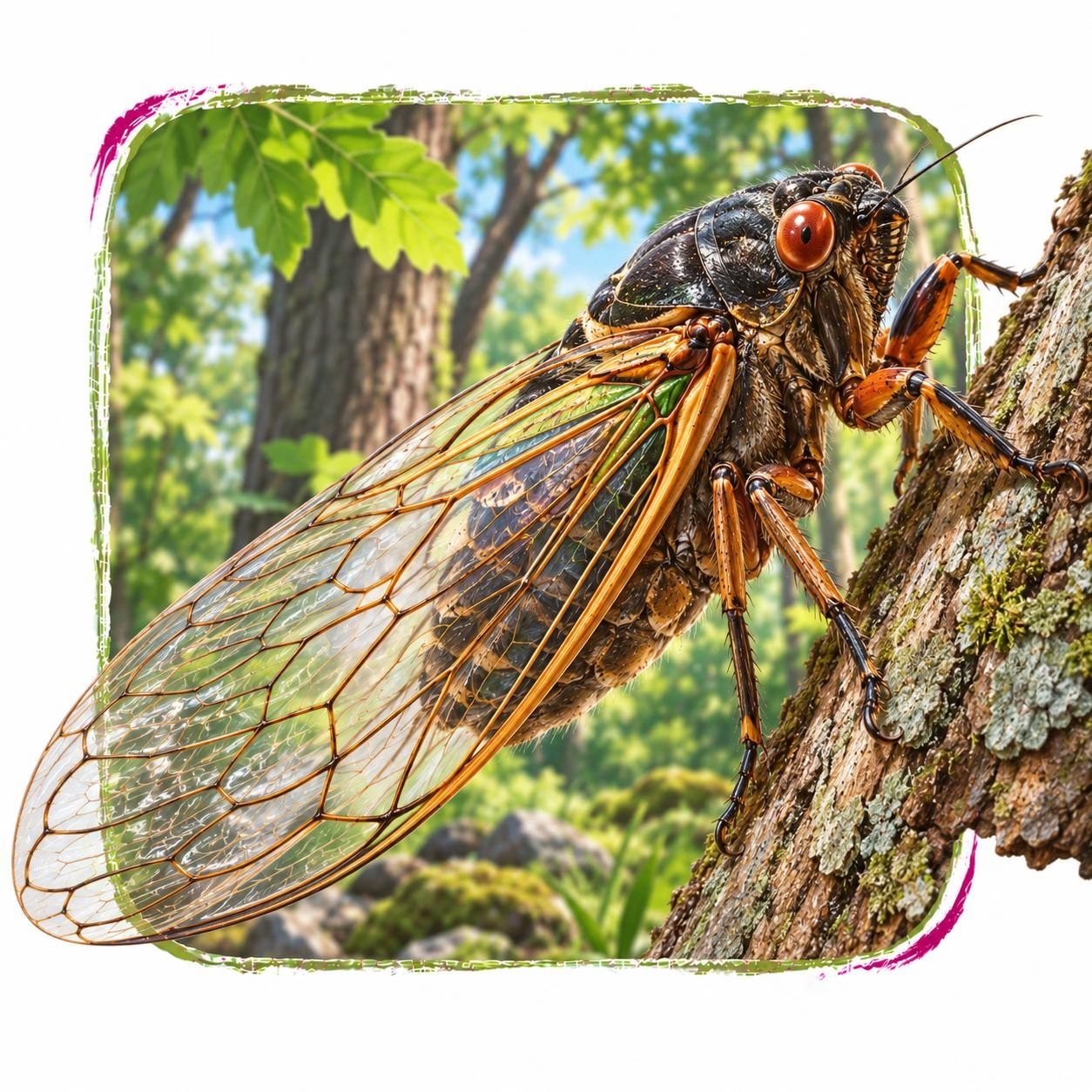
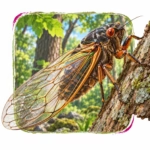
Cicada in its natural Forests habitat