
Cod Facts for Kids
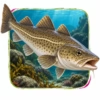
Cod are cold-water ocean fish known for speckled bodies, pale side lines, three dorsal fins, and a small chin barbel. The name cod often refers to Atlantic cod, but there are several cod species in the cod family.
Quick Cod Facts
- Animal Type: Fish
- Group: Cod family and marine fish
- Known For: Cold oceans, chin barbels, speckled bodies, bottom feeding, and important ocean food webs
- Habitat: Cold North Atlantic and North Pacific waters, continental shelves, coastal seas, deeper ocean areas, sea bottoms, and temperate marine habitats depending on species
- Diet: Fish, crabs, shrimp, worms, mollusks, squid, crustaceans, and other marine animals depending on size and species
What You’ll Learn
Explore 10 fascinating cod facts for kids about cold oceans, schooling, feeding, fins, and life near the seafloor, plus a quiz, glossary, and activity
Clear explanations make them fun for children, families, teachers, and young marine-life fans.
10 Fun Cod Facts for Kids
1. Cod Are Fish
Cod are fish with gills, fins, scales, and bodies made for ocean life.
Kid Decode: A cod is a cold-water swimmer with a little chin feeler.
2. Cod Live in Cold Oceans
Many cod live in cool northern ocean waters, including the North Atlantic and North Pacific.
Kid Decode: They are fish with chilly sea addresses.
3. Cod Have Chin Barbels
Cod have a small barbel hanging from the lower jaw that may help them find food near the bottom.
Kid Decode: That barbel is a tiny seafood-finding whisker.
4. Baby Cod Are Fry
Baby cod are called fry after they hatch and begin growing.
Kid Decode: A cod fry is a tiny speck with a big ocean ahead.
5. Cod Have Speckled Bodies
Atlantic cod are often gray, greenish, brownish, or reddish with speckles and a pale side line.
Kid Decode: Their camouflage looks like ocean gravel made into fish fashion.
6. Cod Have Three Dorsal Fins
Cod have three dorsal fins along the back, a clue that helps identify many cod-family fish.
Kid Decode: Three back fins give cod a neat fishy silhouette.
7. Cod Feed Near the Bottom
Cod often search near the sea bottom for crabs, worms, mollusks, and smaller fish.
Kid Decode: The seafloor is their chilly snack shelf.
8. Cod Lay Many Eggs
Female cod can release many eggs into the water, where tiny young begin life.
Kid Decode: Cod start as tiny drifting possibilities in the sea.
9. Cod Are Important in Food Webs
Cod eat smaller animals and are also prey for larger fish, seals, and people.
Kid Decode: They are a big piece in the ocean dinner puzzle.
10. Cod Need Careful Protection
Some cod populations have been harmed by overfishing, so careful fishery management matters.
Kid Decode: Healthy oceans need more than famous fish names; they need balance.
The Weirdest Cod Fact
A cod has a tiny chin barbel that works like a food-sensing feeler near the mouth.
Try This Cod Activity
Cod Drawing Activity
Draw a cod swimming near a cold ocean floor. Add speckled body, pale side line, chin barbel, three dorsal fins, tiny fry, eggs, crabs, shrimp, sea rocks, and blue water currents.
Quick Cod Quiz
- What animal group are cod in? Answer: Fish.
- What are baby cod called? Answer: Fry.
- What small feeler hangs from a cod’s chin? Answer: A barbel.
- Where do many cod live? Answer: Cold northern ocean waters.
- How many dorsal fins do cod have? Answer: Three.
Mini Glossary
- Fish: A water-living animal that usually has gills and fins.
- Fry: A young fish after it hatches.
- Barbel: A whisker-like feeler near the mouth of some fish.
- Dorsal Fin: A fin on the back of a fish.
- Food Web: A system showing how living things eat and are eaten.
 Cougar Facts for Kids
 Pudu Facts for Kids
 Solenodon Facts for Kids
 Camarasaurus Facts for Kids
More Animal Facts for Kids
Visit the full animal facts library or explore a focused animal group.
More Extinct Animal Facts for Kids
Discover dinosaurs, Ice Age giants, prehistoric sea creatures, recently extinct species, and other animals from the past.
Fact check note: Fact checked with Britannica cod resources, Britannica Kids cod resources, Britannica Gadidae resources, and trusted marine fish education references.

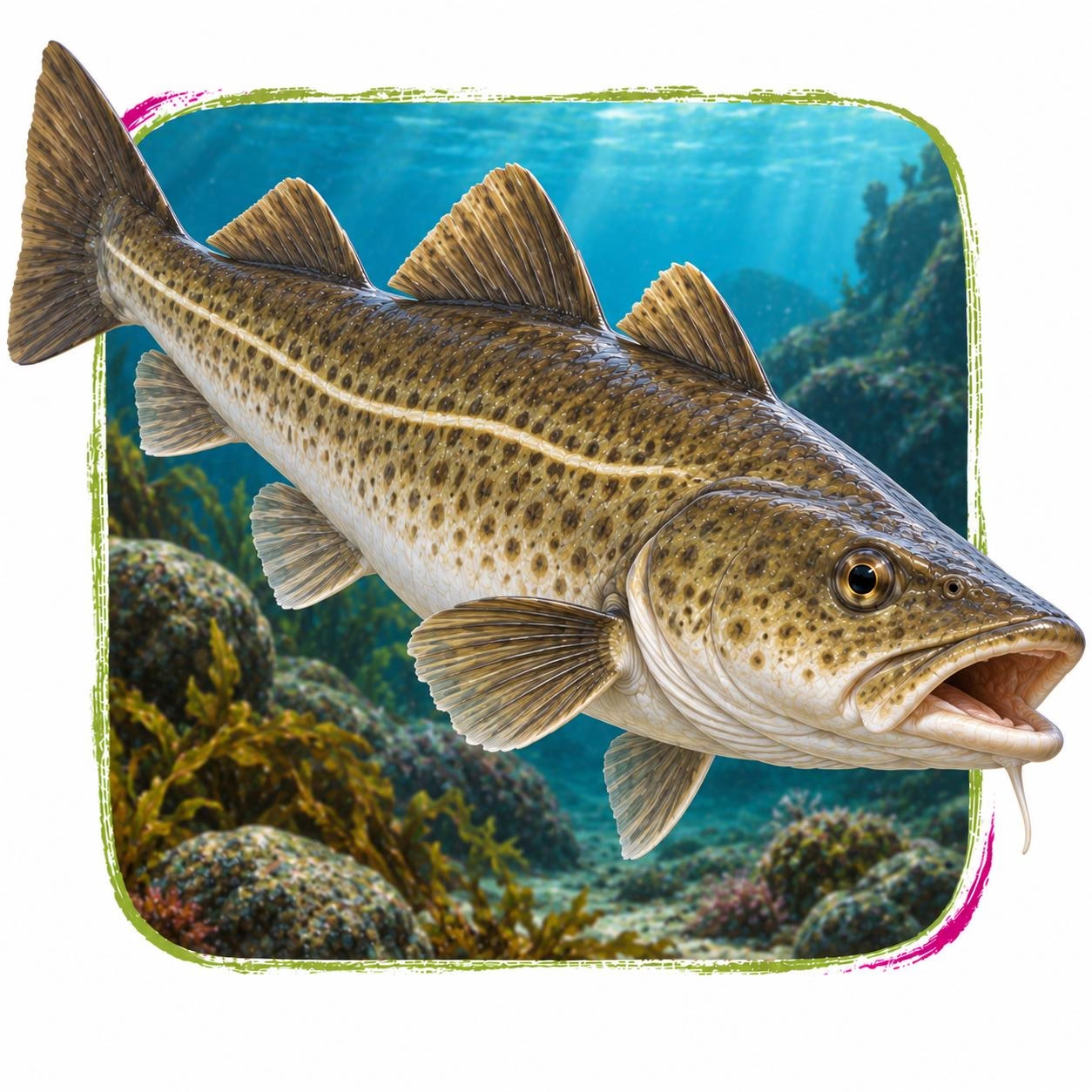
Cod in its natural Oceans habitat