
Colugo Facts for Kids
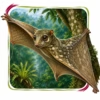
Colugos are unusual gliding mammals from Southeast Asian forests. They are sometimes called flying lemurs, but they are not true lemurs and they do not really fly; they glide on a wide skin membrane.
Quick Colugo Facts
- Animal Type: Mammal
- Group: Colugo and dermopteran
- Known For: Huge gliding membrane and flying lemur nickname
- Habitat: Tropical forests, rainforests, tree canopies, plantations, and wooded areas of Southeast Asia
- Diet: Leaves, shoots, flowers, buds, sap, nectar, and fruit
What You’ll Learn
Learn 10 gliding colugo facts for kids about skin membranes, tree life, huge glides, claws, and tropical forests, with a quiz, glossary, and colugo activity
These facts are made simple for kids, parents, teachers, and curious young explorers.
10 Fun Colugo Facts for Kids
1. Colugos Are Mammals
Colugos are mammals with fur, warm bodies, live young, and milk for their babies.
Kid Decode: A colugo is a furry glider with a blanket-body trick.
2. Colugos Are Not Lemurs
Colugos are often called flying lemurs, but they are not lemurs and they cannot truly fly.
Kid Decode: The nickname is catchy, but a little sneaky.
3. Colugos Glide Through Trees
Colugos glide from tree to tree by spreading a wide skin membrane between their limbs and tail.
Kid Decode: They turn into living forest kites.
4. The Membrane Is Called a Patagium
The gliding skin flap is called a patagium, and it stretches across much of the body.
Kid Decode: The patagium is a built-in leafy parachute.
5. Colugos Live in Southeast Asia
Wild colugos live in forests of Southeast Asia, including islands and tropical mainland areas.
Kid Decode: Their home is a warm treetop maze.
6. Colugos Are Mostly Nocturnal
Colugos are mostly active at night and rest during the day clinging to tree trunks.
Kid Decode: They work the moonlit canopy shift.
7. Baby Colugos Are Young
Baby colugos are called young or infants. A mother can carry her baby while gliding and resting.
Kid Decode: A baby colugo rides the softest forest hang glider.
8. Colugos Eat Plants
Colugos are herbivores that eat leaves, shoots, buds, flowers, sap, nectar, and fruit.
Kid Decode: Their dinner is tree salad with sweet sap dressing.
9. Colugos Have Camouflage Fur
Their mottled fur helps them blend in with bark and branches while resting.
Kid Decode: They are hide-and-tree-bark experts.
10. Colugos Need Connected Forests
Colugos need trees close enough for gliding. Forest loss can make travel and feeding harder.
Kid Decode: Protecting forest bridges keeps the gliders sailing.
The Weirdest Colugo Fact
A colugo can glide across long gaps by stretching its body membrane like a furry parachute.
Try This Colugo Activity
Colugo Drawing Activity
Draw a colugo gliding between rainforest trees. Add a wide patagium, big eyes, mottled fur, leafy branches, flowers, moonlight, and a baby clinging close.
Quick Colugo Quiz
- Are colugos true lemurs? Answer: No.
- Do colugos really fly? Answer: No, they glide.
- What is the gliding membrane called? Answer: A patagium.
- Where do colugos live? Answer: Southeast Asian forests.
- What do colugos mostly eat? Answer: Plant foods such as leaves, shoots, and flowers.
Mini Glossary
- Patagium: A skin membrane used for gliding.
- Nocturnal: Active mostly at night.
- Herbivore: An animal that eats plants.
- Canopy: The leafy upper layer of a forest.
- Glide: To move smoothly through air without flapping.
 Puffin Facts for Kids
 Yellow-Eyed Penguin Facts for Kids
 Lorikeet Facts for Kids
 Helicoprion Facts for Kids
More Animal Facts for Kids
Visit the full animal facts library or explore a focused animal group.
More Extinct Animal Facts for Kids
Discover dinosaurs, Ice Age giants, prehistoric sea creatures, recently extinct species, and other animals from the past.
Fact check note: Fact checked with Britannica flying lemur resources, Natural History Museum colugo resources, and trusted Southeast Asian mammal education references.

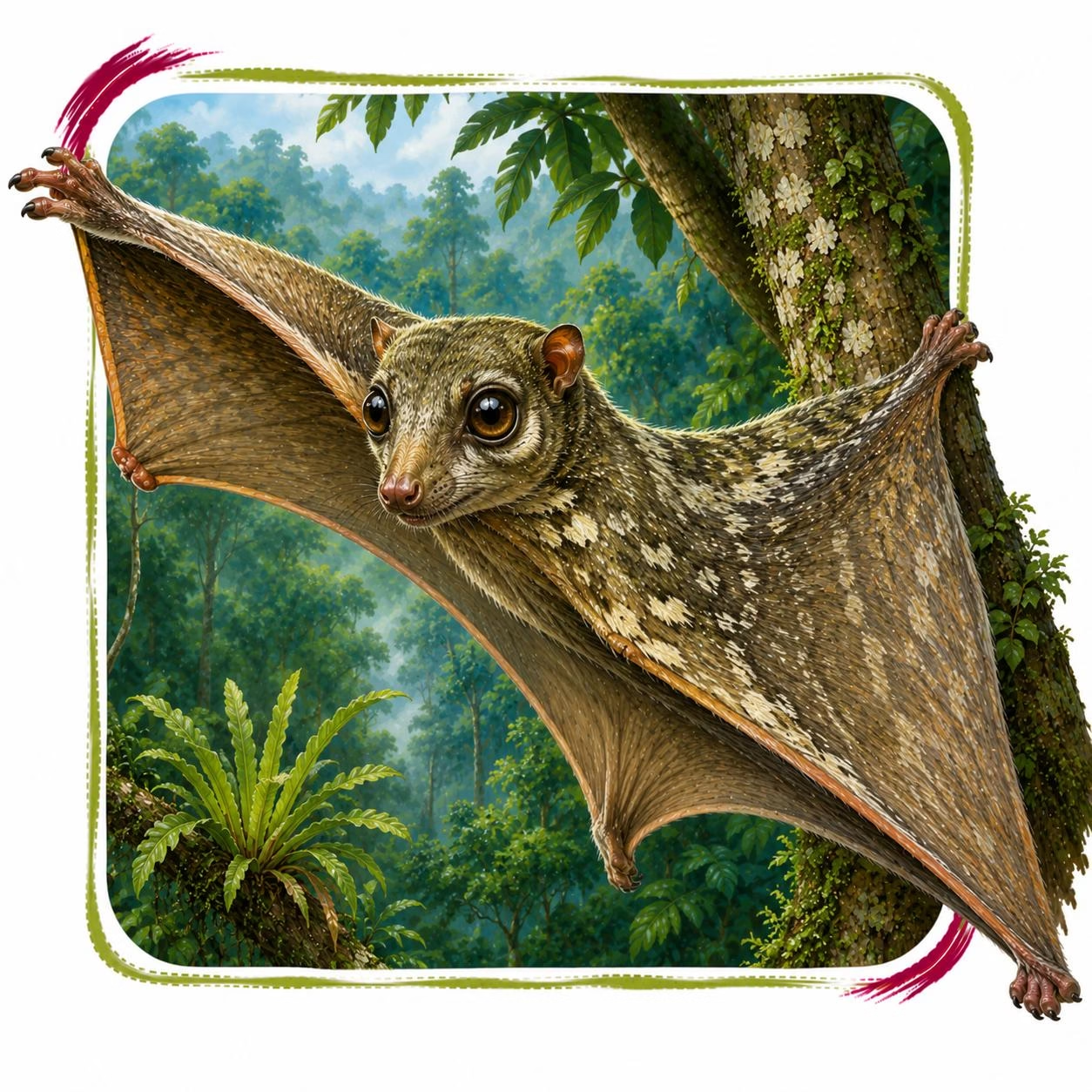
Colugo in its natural Forests habitat