
Chicken vs Duck: Farm Bird Comparison
Chickens and ducks are familiar farm birds that hatch from eggs, live in flocks, and eat both plants and small animals, but their bodies are designed for different places. Chickens are land-focused galliforms that scratch soil with clawed toes. Ducks are waterfowl with webbed feet, broad bills, and waterproof feathers for life in and around water.
About Chicken
- Type Bird
- Diet Omnivore
- Group Galliform
- Known for Clucking, egg laying, scratching, pecking, combs, and backyard or farm life
- Special skill Scratching soil with strong toes to uncover seeds, insects, and other food
About Duck
- Type Bird
- Diet Omnivore
- Group Waterfowl
- Known for Webbed feet, broad bills, waterproof feathers, quacking, swimming, and dabbling
- Special skill Swimming with webbed feet while waterproof feathers trap insulating air
Chicken vs Duck: Quick Answer
Chickens are land birds with separate clawed toes, narrow beaks, combs, and strong scratching behavior. Ducks are waterfowl with webbed feet, broad bills, waterproof feathers, and bodies adapted for swimming. Baby chickens are chicks, while baby ducks are ducklings.
Where Do They Fit?
Follow the branches to see how Chicken and Duck are classified and related.
Chicken vs Duck: Quick Comparison
| Feature | Chicken | Duck |
|---|---|---|
| Animal type | Bird | Bird |
| Animal group | Galliform | Waterfowl |
| Known for | Clucking, scratching, eggs, combs, and pecking | Quacking, swimming, webbed feet, broad bills, and waterproof feathers |
| Main habitat | Farms, backyards, villages, and dry ground | Ponds, lakes, wetlands, rivers, coasts, farms, and parks |
| Origins | Domestic ancestry in Asian junglefowl | Many wild species worldwide; most domestic breeds descend mainly from mallards |
| Diet | Omnivore | Omnivore |
| Baby name | Chick | Duckling |
| Feet | Separate clawed toes for scratching and perching | Webbed toes for paddling |
| Feathers | Insulating but not specialized for long swimming | Oiled and highly water-resistant |
| Special skill | Scratching and pecking for food | Swimming, dabbling, and diving depending on species |
How Are Chickens and Ducks Alike?
- Both chickens and ducks are birds with feathers, wings, beaks, and two legs.
- Both lay eggs and have downy babies that can walk soon after hatching.
- Both are omnivores that eat seeds, plants, insects, worms, and other small foods.
- Both are social animals that communicate with many calls and body signals.
- Both preen their feathers and need safe water, shelter, food, and companionship.
How Are Chickens and Ducks Different?
- Chickens are galliform land birds, while ducks are waterfowl in the order Anseriformes.
- Chickens have separated clawed toes, while ducks have webbed feet.
- Chickens scratch soil for food, while many ducks dabble, graze, or dive in water.
- Chicken feathers are not designed for prolonged swimming, while ducks spread oil across water-resistant feathers.
- Baby chickens are called chicks, while baby ducks are called ducklings.
Chicken vs Duck Showdown
Farm-bird showdown: Size and strength are ties because breeds and wild species vary widely. The duck wins speed through strong flight in many wild species, stealth through camouflage and quiet wetland movement, and swimming with its webbed feet and water-resistant plumage. Social life is a tie because both form flocks. The duck wins our weirdest-fact prize because it can sleep with one eye open while part of its brain stays alert.
Fun Chicken vs Duck Facts
Clawed Toes vs Webbed Feet
Chicken feet have separate toes tipped with claws for scratching soil, gripping perches, and walking on firm ground. Duck feet have skin stretched between the front toes, forming broad paddles that push water backward.
Pecking Beak vs Broad Bill
A chicken uses a pointed beak to peck seeds, insects, and other foods from the ground. A duck’s broad bill has comb-like edges called lamellae that help strain or grip food.
Dry-Land Feathers vs Waterproof Plumage
Chickens preen and can tolerate light rain, but their plumage is not specialized for long periods in water. Ducks spread oil from a gland near the tail across their feathers, helping the outer layer repel water while down traps warm air.
Chick vs Duckling
Chicken chicks and ducklings are precocial, meaning they hatch covered in down with open eyes and can walk soon afterward. Ducklings can also follow their mother into water, while chicks remain land-focused.
Ducks Can Sleep With One Eye Open
Ducks can use unihemispheric slow-wave sleep, resting one half of the brain while the other remains more alert. A duck at the edge of a sleeping group may keep the outward-facing eye open to watch for danger.
Chicken vs Duck Quiz
- Which bird has webbed feet? Answer: Duck.
- What is a baby chicken called? Answer: A chick.
- What is a baby duck called? Answer: A duckling.
- Which bird usually scratches soil with clawed toes? Answer: Chicken.
- What helps a duck’s feathers resist water? Answer: Preening oil and the structure of its feathers.
Chicken vs Duck FAQ
What is the main difference between a chicken and a duck?
A chicken is a land-focused galliform with clawed toes for scratching. A duck is a waterfowl with webbed feet, a broad bill, and water-resistant feathers for swimming.
Which is bigger, a chicken or a duck?
It depends on the species and breed. Large chickens can outweigh small ducks, while heavy domestic ducks can outweigh many chickens.
Can chickens swim like ducks?
Chickens may paddle briefly if they enter water, but they are not adapted for swimming and can become soaked, chilled, exhausted, or trapped. They should never be placed in deep water.
Do chickens and ducks eat the same food?
They overlap in many natural foods, but domestic birds need feed suited to their species, age, and life stage. Ducklings and chicks can have different nutrient and medication requirements.
Can chickens and ducks live together?
They can sometimes share carefully managed outdoor space, but ducks create wet conditions and have different water, feeding, housing, and health needs. Each species needs suitable shelter and expert care.
Animal Words to Know
- Galliform: A ground-feeding bird in the order containing chickens, turkeys, pheasants, and quail.
- Waterfowl: Ducks, geese, swans, and related birds adapted to wetlands and water.
- Lamellae: Comb-like structures along a duck’s bill that help handle or strain food.
- Preen: To clean, arrange, and oil feathers using the beak.
- Precocial: Hatched well developed, covered in down, and able to move soon afterward.
Chicken and Duck Farm-Bird Activity
Chicken and Duck Farm-Bird Activity
Draw a chicken beside a duck on the same ground line. Give the chicken a comb, a short pointed beak, separated clawed toes, and dry soil to scratch. Give the duck a broad bill, webbed feet, waterproof feathers, and a pond. Add a chick and duckling, then label beak, bill, feet, feathers, and young.
Meet Each Animal
Want the full fact file? Here are quick highlights from each animal’s own facts page.
Chicken Fact Highlight
From the full animal facts page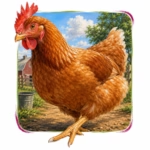
Duck Fact Highlight
From the full animal facts page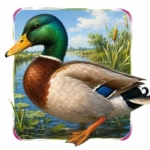
More Animal Comparisons
Pick another animal matchup and keep exploring. Compare appearances, habitats, diets, abilities, and surprising differences.




Make an Animal Story
Turn this chicken vs duck comparison into a splashy farm adventure with our free Animal Story Generator.
Source notes: References used for this comparison. See more See less
Try Another Matchup
Explore this comparison →