
Cormorant Facts for Kids
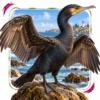
Cormorants are dark water birds famous for diving after fish. They have long necks, strong bodies, hooked bills, webbed feet, and a habit of standing with wings spread after swimming.
Quick Cormorant Facts
- Animal Type: Bird
- Group: Cormorant and waterbird
- Known For: Diving, fish hunting, webbed feet, hooked bills, and wing drying
- Habitat: Coasts, islands, rivers, lakes, ponds, wetlands, estuaries, cliffs, rocky shores, and open water depending on species
- Diet: Fish, eels, crustaceans, frogs, small aquatic animals, and other water prey depending on species
What You’ll Learn
Explore 10 amazing cormorant facts for kids about diving, swimming, fishing, dark feathers, and coastal habitats, with a quiz, glossary, and activity
Easy explanations make these facts fun for children, families, teachers, and curious young learners.
10 Fun Cormorant Facts for Kids
1. Cormorants Are Birds
Cormorants are birds with feathers, wings, beaks, eggs, and warm bodies.
Kid Decode: A cormorant is a sleek black fishing bird with serious dive mode.
2. Cormorants Are Waterbirds
Cormorants spend much of their lives near water, including oceans, rivers, lakes, and wetlands.
Kid Decode: Their neighborhood is part sky, part splash.
3. Cormorants Dive for Fish
Cormorants dive underwater to chase and catch fish. They can swim strongly below the surface.
Kid Decode: This bird turns into a feathered submarine.
4. They Have Webbed Feet
Cormorants use webbed feet to push through water while swimming and diving.
Kid Decode: Those feet are underwater engines.
5. They Have Hooked Bills
Cormorants have hooked bills that help them grip slippery fish.
Kid Decode: The bill is a fish-grabbing hook with feathers behind it.
6. Baby Cormorants Are Chicks
Baby cormorants are called chicks. They hatch in nests and are fed by adult birds.
Kid Decode: A cormorant chick is a hungry nest goblin with fish dreams.
7. Cormorants Spread Their Wings
Cormorants are often seen standing with wings open after swimming. This helps dry or warm the feathers.
Kid Decode: The wing pose looks like a dramatic bird superhero cape.
8. Many Nest in Colonies
Many cormorants nest in groups called colonies, sometimes on cliffs, islands, trees, or rocky places.
Kid Decode: A cormorant colony is a busy fish-bird apartment block.
9. Cormorants Can Swim Low in Water
Cormorants often sit low in the water because their bodies are built for diving and underwater hunting.
Kid Decode: They float like secret periscopes with feathers.
10. Cormorants Need Healthy Waters
Cormorants depend on clean water, safe nesting places, and enough fish or aquatic prey.
Kid Decode: Healthy lakes and coasts keep the diving birds fishing.
The Weirdest Cormorant Fact
Cormorants often stand with wings spread wide after swimming, making them look like they are posing for a dramatic ocean poster.
Try This Cormorant Activity
Cormorant Drawing Activity
Draw a cormorant standing on a rock with wings spread. Add a long neck, hooked bill, webbed feet, fish, water splashes, chicks in a nest, reeds, waves, and diving bubbles.
Quick Cormorant Quiz
- What animal group are cormorants in? Answer: Birds.
- What are baby cormorants called? Answer: Chicks.
- What do cormorants dive to catch? Answer: Fish and other aquatic prey.
- What kind of feet help them swim? Answer: Webbed feet.
- Why do cormorants often spread their wings? Answer: To help dry or warm their feathers.
Mini Glossary
- Bird: A warm-blooded animal with feathers, wings, and a beak.
- Chick: A baby bird.
- Webbed Feet: Feet with skin between the toes that help an animal swim.
- Colony: A group of animals nesting or living close together.
- Aquatic: Living in or near water.


 Lion Facts for Kids
 Asian Elephant Facts for Kids
 Asian Palm Civet Facts for Kids
 Placodus Facts for Kids
More Animal Facts for Kids
Visit the full animal facts library or explore a focused animal group.
More Extinct Animal Facts for Kids
Discover dinosaurs, Ice Age giants, prehistoric sea creatures, recently extinct species, and other animals from the past.
Fact check note: Fact checked with Britannica cormorant resources, Britannica pelecaniform resources, and trusted waterbird education references.

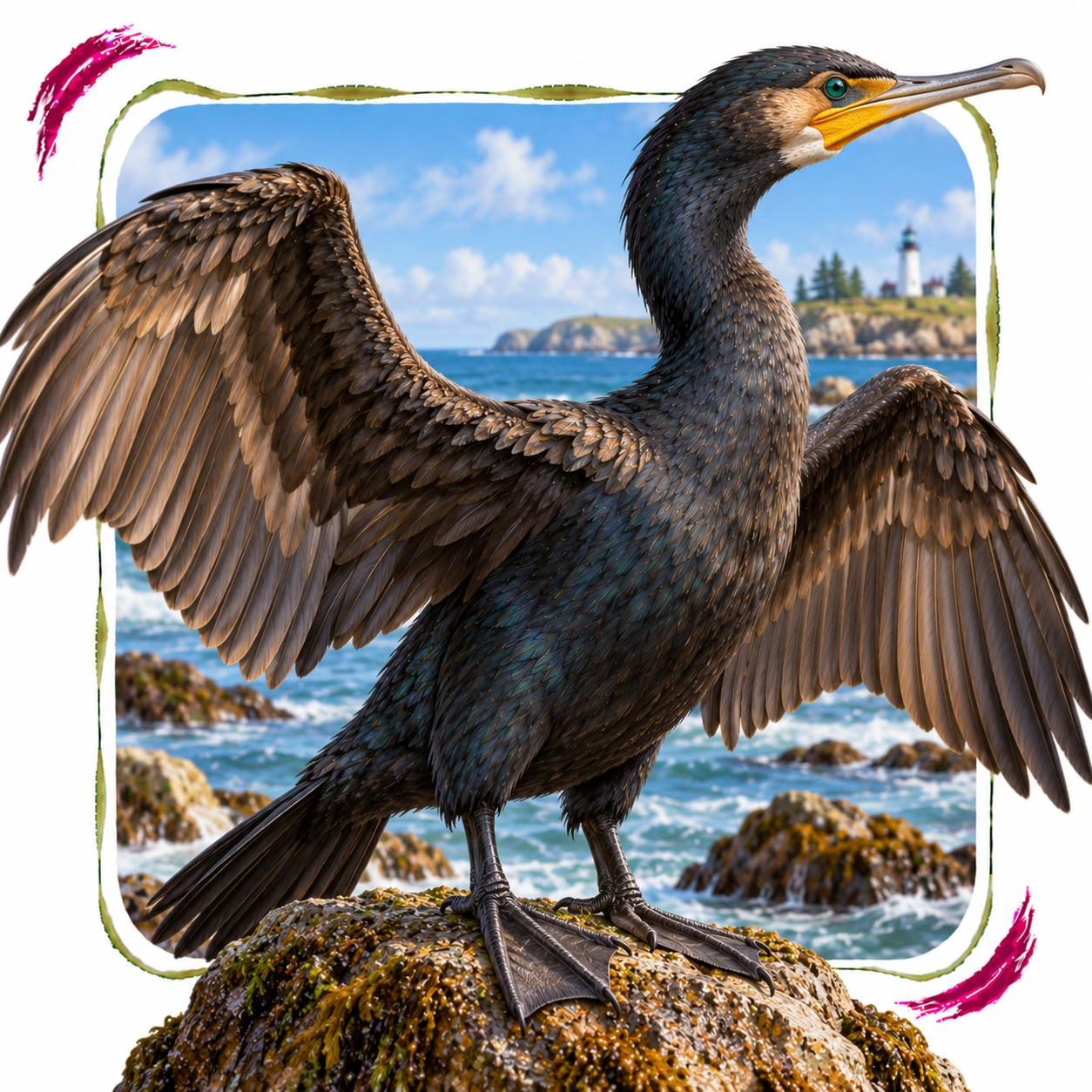
Cormorant in its natural Coasts habitat