
Crane Facts for Kids
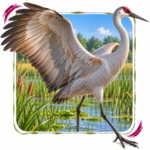
Cranes are tall, graceful birds with long legs, long necks, broad wings, and loud calls. They live in wetlands, grasslands, marshes, and open plains, where they search for plants, grains, insects, and small animals.
Quick Crane Facts
- Animal Type: Bird
- Group: Crane and wading bird
- Known For: Long legs, dancing, bugling calls, migration, and wetland life
- Habitat: Marshes, wetlands, grasslands, open plains, fields, river edges, lakes, and shallow waters depending on species
- Diet: Seeds, grains, grasses, roots, insects, worms, frogs, small reptiles, fish, and other small animals depending on species
What You’ll Learn
Discover 10 graceful crane facts for kids about long legs, dancing, migration, calls, and wetland habitats, with a quiz, glossary, and activity
These easy facts are written for children, parents, teachers, and curious little fact-finders.
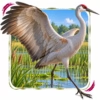
10 Fun Crane Facts for Kids
1. Cranes Are Birds
Cranes are birds with feathers, wings, beaks, eggs, and warm bodies.
Kid Decode: A crane is a tall feathered dancer with wetland stilts.
2. Cranes Have Long Legs
Long legs help cranes walk through marshes, grasslands, and shallow water while looking for food.
Kid Decode: Their legs are built-in bird stilts for soggy places.
3. Cranes Have Loud Calls
Cranes can make loud bugling or trumpeting calls that help them communicate with mates, families, and flocks.
Kid Decode: A crane call can sound like a wild wetland trumpet.
4. Cranes Are Famous for Dancing
Cranes may leap, bow, run, flap, and toss objects during courtship or social displays.
Kid Decode: Crane dancing is part ballet, part bird celebration.
5. Baby Cranes Are Chicks
Baby cranes are called chicks, and some people also call them colts because they can walk and run soon after hatching.
Kid Decode: A crane colt is a fuzzy little runner on long-leg training wheels.
6. Cranes Build Ground Nests
Many cranes build nests on the ground in marshes, wetlands, or grassy places.
Kid Decode: The nest is a hidden grass bed in the bird’s wetland world.
7. Some Cranes Migrate
Some crane species travel long distances between breeding and wintering areas.
Kid Decode: Migrating cranes are sky travelers with family flight plans.
8. Cranes Fly With Necks Stretched Out
Cranes usually fly with their long necks stretched forward and legs trailing behind.
Kid Decode: In the sky, a crane looks like a flying arrow with legs.
9. Cranes Eat Plants and Animals
Cranes are omnivores, so they may eat plant foods and small animals depending on season and habitat.
Kid Decode: Their menu is marsh salad with bug sprinkles.
10. Cranes Need Wetland Protection
Many cranes depend on healthy wetlands, safe nesting areas, clean water, and open feeding grounds.
Kid Decode: Protecting wetlands keeps the tall dancers calling.
The Weirdest Crane Fact
Some baby cranes are called colts because they can walk and run soon after hatching, almost like tiny feathered foals.
Try This Crane Activity
Crane Drawing Activity
Draw a crane dancing in a wetland. Add long legs, stretched neck, wide wings, a chick nearby, reeds, shallow water, insects, seeds, a nest in grass, and musical bugle-call bubbles.
Quick Crane Quiz
- What animal group are cranes in? Answer: Birds.
- What are baby cranes called? Answer: Chicks, and sometimes colts.
- What are cranes famous for doing during displays? Answer: Dancing.
- Where do many cranes live? Answer: Wetlands, marshes, grasslands, and open plains.
- Do cranes eat both plants and animals? Answer: Yes.
Mini Glossary
- Bird: A warm-blooded animal with feathers, wings, and a beak.
- Chick: A baby bird.
- Colt: A nickname for a baby crane because it can walk and run early.
- Migration: Seasonal movement from one place to another.
- Wetland: A wet habitat such as a marsh, swamp, pond, or bog.
 Fruit Bat Facts for Kids
 Goldfinch Facts for Kids
 Iberian Lynx Facts for Kids
 Carnotaurus Facts for Kids
More Animal Facts for Kids
Visit the full animal facts library or explore a focused animal group.
More Extinct Animal Facts for Kids
Discover dinosaurs, Ice Age giants, prehistoric sea creatures, recently extinct species, and other animals from the past.
Fact check note: Fact checked with Britannica crane resources, Britannica sandhill crane resources, and trusted wetland bird education references.

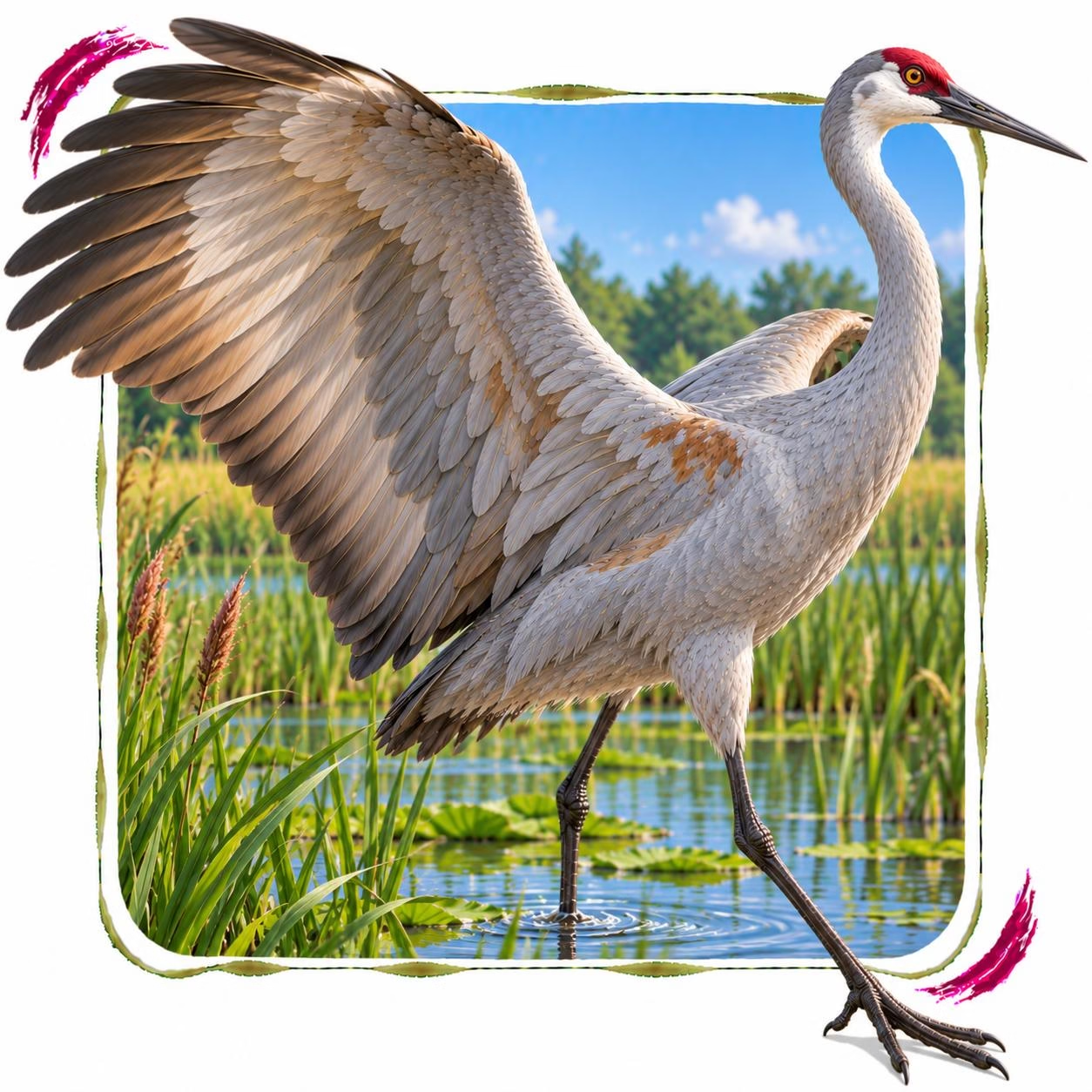
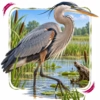
Crane in its natural Wetlands habitat