
Cricket Facts for Kids
Crickets are chirping insects related to grasshoppers and katydids. They are known for long antennae, strong jumping legs, nighttime songs, and males that make music by rubbing parts of their front wings together.
Quick Cricket Facts
- Animal Type: Insect
- Group: Orthopteran insect and cricket family
- Known For: Chirping males, long antennae, jumping legs, foreleg hearing organs, night songs, egg laying, and burrows in some species
- Habitat: Fields, gardens, forests, grasslands, caves, burrows, leaf litter, homes, farms, shrubs, and warm or temperate habitats depending on species
- Diet: Plant material, seeds, leaves, fungi, dead organic matter, small insects, aphids, and other foods depending on species
What You’ll Learn
Learn 10 bouncy grasshopper facts for kids about powerful legs, jumping, wings, sounds, and plant-eating, plus a quiz, glossary, and activity
Clear explanations make them ideal for children, families, teachers, and young fact-hunters.
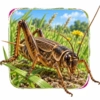
10 Fun Cricket Facts for Kids
1. Crickets Are Insects
Crickets are insects with six legs, three body parts, antennae, and wings in many adults.
Kid Decode: A cricket is a small nighttime musician with jumping legs.
2. Crickets Are Related to Grasshoppers
Crickets, grasshoppers, and katydids all belong to the Orthoptera order.
Kid Decode: They are cousins in the hopping-and-chirping insect club.
3. Baby Crickets Are Nymphs
Young crickets are called nymphs and look like smaller versions of adults.
Kid Decode: A cricket nymph is a tiny chirp-maker still under construction.
4. Crickets Chirp With Their Wings
Male crickets chirp by rubbing a scraper on one forewing against teeth on the other forewing.
Kid Decode: Their wings become a built-in insect instrument.
5. Cricket Songs Have Meanings
Crickets may use different songs for calling, courtship, or warning other males away.
Kid Decode: Not every chirp says the same cricket sentence.
6. Crickets Hear With Their Forelegs
Crickets have sensitive hearing organs on their front legs.
Kid Decode: Their “ears” are on their legs, which is wonderfully weird.
7. Crickets Have Long Antennae
Crickets usually have long thin antennae that help them sense the world around them.
Kid Decode: Those antennae are tiny feeler wands.
8. Crickets Have Jumping Legs
Crickets use strong hind legs to jump through grass, soil, or leaf litter.
Kid Decode: When danger arrives, the cricket turns into a little popcorn pop.
9. Female Crickets Lay Eggs
Female crickets often lay eggs in soil or plant stems using an ovipositor.
Kid Decode: The next cricket chapter begins hidden in soil or plants.
10. Crickets Are Part of Food Webs
Birds, frogs, lizards, spiders, fish, and small mammals may eat crickets.
Kid Decode: The little singer is also a snack for many animals.
The Weirdest Cricket Fact
Crickets hear with organs on their forelegs, not with ears on the sides of their heads like people.
Try This Cricket Activity
Cricket Drawing Activity
Draw a cricket singing at night in a garden. Add long antennae, jumping legs, forewings making chirp lines, tiny nymphs, eggs in soil, a burrow, moonlight, grass, leaves, and a frog listening nearby.
Quick Cricket Quiz
- What animal group are crickets in? Answer: Insects.
- What are baby crickets called? Answer: Nymphs.
- How do male crickets chirp? Answer: By rubbing parts of their forewings together.
- Where are cricket hearing organs found? Answer: On the forelegs.
- What body parts help crickets sense around them? Answer: Long antennae.
Mini Glossary
- Insect: An animal with six legs, three body parts, and antennae.
- Nymph: A young insect stage that looks partly like the adult but has no full wings yet.
- Forewing: A front wing of an insect.
- Ovipositor: A body part some female insects use to place eggs.
- Food Web: A system showing how living things eat and are eaten.
 Moon Jelly Facts for Kids
 Grizzly Bear Facts for Kids
 Chevrotain Facts for Kids
 Tasmanian Tiger Facts for Kids
More Animal Facts for Kids
Visit the full animal facts library or explore a focused animal group.
More Extinct Animal Facts for Kids
Discover dinosaurs, Ice Age giants, prehistoric sea creatures, recently extinct species, and other animals from the past.
Fact check note: Fact checked with Britannica cricket resources, Britannica orthopteran resources, and trusted insect education references.

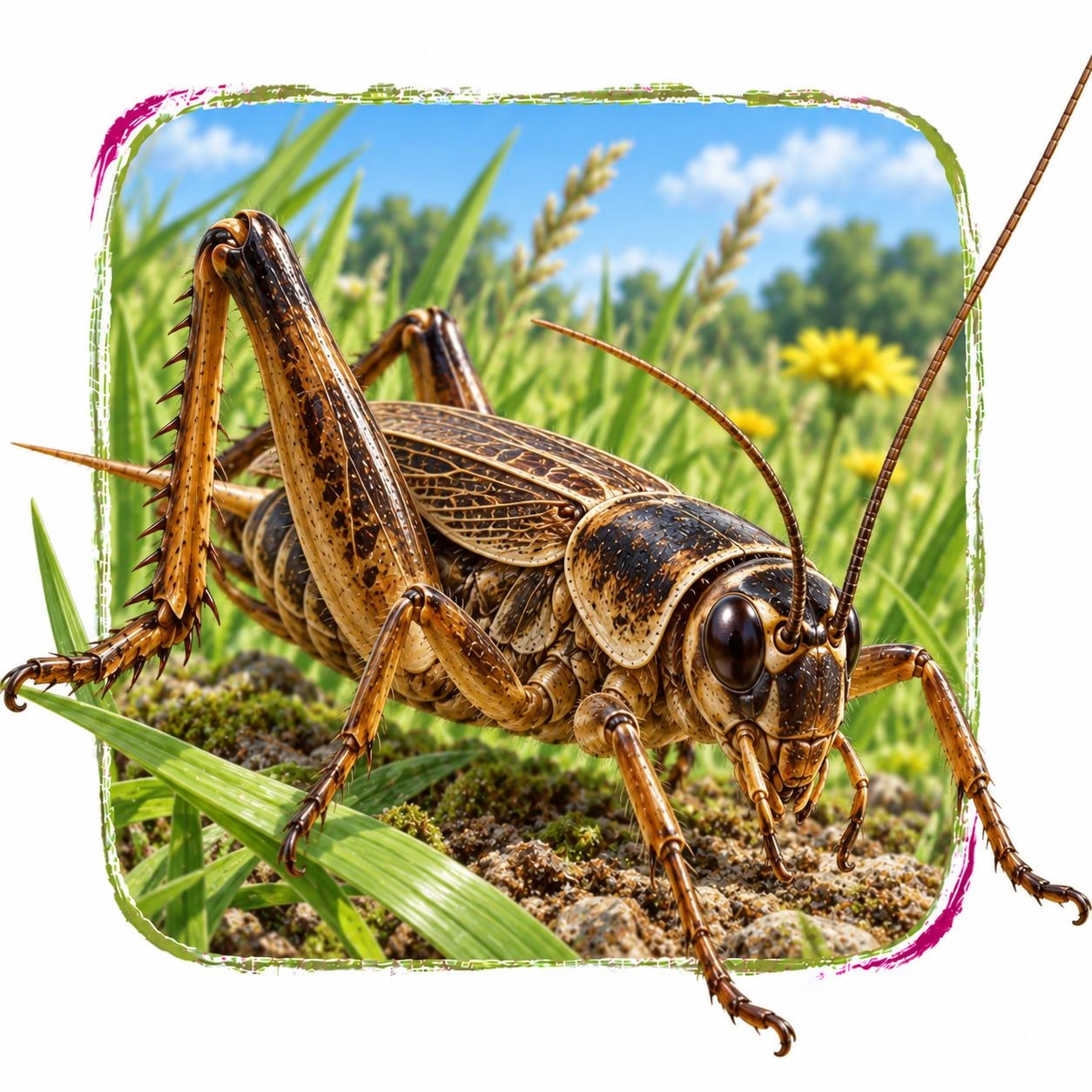
Cricket in its natural Grasslands habitat