
Crocodile Facts for Kids
Crocodiles are large reptiles with powerful jaws, sharp teeth, armored skin, long tails, and strong swimming skills. They live in warm places near rivers, wetlands, lakes, coasts, and mangroves.
Quick Crocodile Facts
- Animal Type: Reptile
- Group: Crocodilian
- Known For: Powerful jaws and armored bodies
- Habitat: Rivers, lakes, wetlands, mangroves, coasts, and swamps
- Diet: Fish, birds, reptiles, mammals, crustaceans, and other animals
What You’ll Learn
Explore 10 powerful crocodile facts for kids about giant jaws, armored bodies, swimming, hunting, and ancient relatives, with a quiz, glossary, and crocodile activity
Clear explanations make them fun for children, families, teachers, and curious young learners.
10 Fun Crocodile Facts for Kids
1. Crocodiles Are Reptiles
Crocodiles are reptiles with scaly skin, lungs, eggs, and cold-blooded bodies. They warm up using sunlight.
Kid Decode: A crocodile is a sun-powered swamp machine.
2. Crocodiles Have Powerful Jaws
Crocodiles have very strong jaws for grabbing prey. Their teeth are cone-shaped and made for holding, not chewing like humans.
Kid Decode: Crocodile jaws are nature’s giant clamp.
3. Crocodiles Lay Eggs
Female crocodiles lay eggs in nests made of sand, mud, leaves, or plants, depending on the species.
Kid Decode: A crocodile nest is a warm egg bunker.
4. Baby Crocodiles Are Called Hatchlings
Baby crocodiles are called hatchlings. They can make sounds from inside the egg before hatching.
Kid Decode: A crocodile hatchling starts life with tiny squeaky courage.
5. Crocodile Mothers Guard Young
Crocodile mothers often guard nests and may help hatchlings reach the water, sometimes carrying them gently in their mouths.
Kid Decode: That scary mouth can become a baby taxi.
6. Crocodiles Are Ambush Hunters
Crocodiles often wait quietly in water with only their eyes, ears, and nostrils showing before rushing at prey.
Kid Decode: Crocodiles are patience with teeth.
7. Crocodiles Have Eyes and Nostrils on Top
Their eyes, ears, and nostrils sit high on the head, letting them hide most of the body underwater.
Kid Decode: Crocodiles can spy while almost invisible.
8. Crocodiles Use Strong Tails
A crocodile’s long muscular tail helps it swim, turn, and push forward in water.
Kid Decode: The tail is the crocodile’s water engine.
9. Crocodiles Have Armored Skin
Crocodile skin has tough scales and bony plates that help protect the body.
Kid Decode: A crocodile wears prehistoric armor.
10. Crocodiles Are Ancient Survivors
Crocodiles and their relatives have been around for a very long time, with body plans that work well for water and land life.
Kid Decode: Crocodiles are old-school survival specialists.
The Weirdest Crocodile Fact
Baby crocodiles can call from inside their eggs, and their mother may help them out of the nest.
Try This Crocodile Activity
Crocodile Drawing Activity
Draw a crocodile resting near a riverbank. Add armored scales, sharp teeth, eyes above the water, a strong tail, a nest, eggs, and small hatchlings nearby.
Quick Crocodile Quiz
- Are crocodiles reptiles? Answer: Yes.
- What do crocodiles lay? Answer: Eggs.
- What are baby crocodiles called? Answer: Hatchlings.
- What helps crocodiles swim strongly? Answer: Their long muscular tails.
- How do crocodiles often hunt? Answer: By ambushing prey.
Mini Glossary
- Hatchling: A baby crocodile that has just hatched.
- Reptile: A scaly animal group that includes crocodiles, turtles, lizards, and snakes.
- Ambush: To wait hidden before suddenly attacking.
- Cold-Blooded: Depending on outside temperatures to help control body heat.
- Crocodilian: The animal group that includes crocodiles, alligators, caimans, and gharials.
 Newt Facts for Kids
 Millipede Facts for Kids
 Leech Facts for Kids
 Sea Scorpion Facts for Kids
More Animal Facts for Kids
Visit the full animal facts library or explore a focused animal group.
More Extinct Animal Facts for Kids
Discover dinosaurs, Ice Age giants, prehistoric sea creatures, recently extinct species, and other animals from the past.
Fact check note: Fact checked with Britannica Kids crocodile resources, Britannica crocodile resources, National Geographic Kids crocodile resources, and trusted reptile education references.

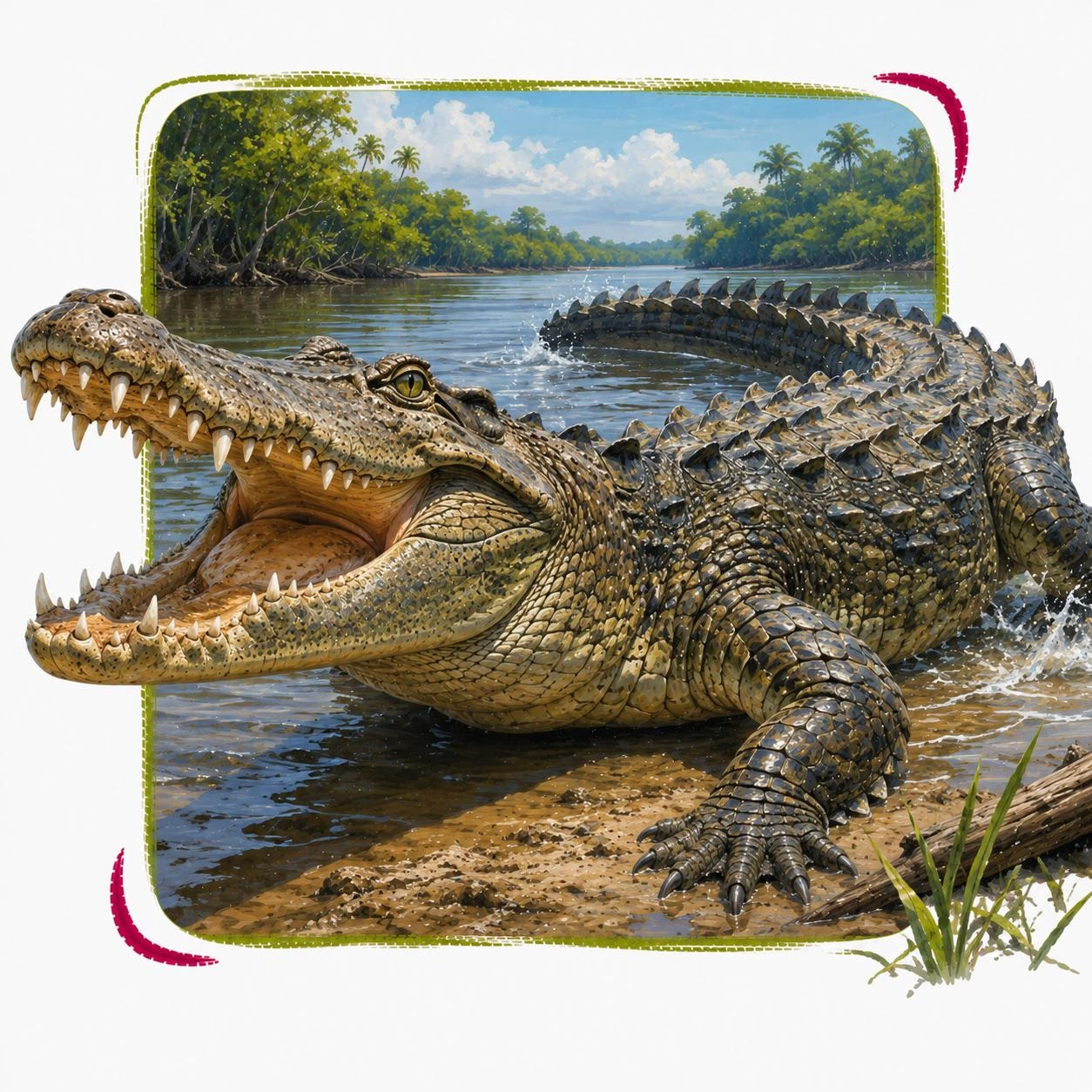
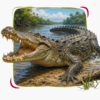
Crocodile in its natural Rivers habitat