
Dik-Dik Facts for Kids
Dik-diks are tiny African antelopes with big eyes, large ears, thin legs, and pointed noses. They live in bushy habitats, where they hide from predators, browse on plants, and call “dik-dik” when alarmed.
Quick Dik-Dik Facts
- Animal Type: Mammal
- Group: Antelope and bovid
- Known For: Tiny size, pointed noses, big eyes, pairs, alarm calls, and scent marking
- Habitat: Dry bushlands, savannas, scrublands, thornbush, grasslands, rocky areas, and acacia habitats in eastern and southern Africa depending on species
- Diet: Leaves, shoots, fruit, flowers, herbs, seeds, grasses, and other plant foods
What You’ll Learn
Explore 10 tiny dik-dik facts for kids about small size, pointed noses, hiding, pair bonds, and African bushland, plus a quiz, glossary, and activity
Easy explanations make them great for children, families, teachers, and young animal fans.
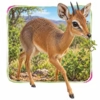
10 Fun Dik-Dik Facts for Kids
1. Dik-Diks Are Mammals
Dik-diks are mammals, which means mothers feed milk to their young.
Kid Decode: A dik-dik is a pocket-sized antelope with giant alert eyes.
2. Dik-Diks Are Antelopes
Dik-diks belong to the antelope family and are among the smallest antelopes.
Kid Decode: They are tiny members of the hoofed animal club.
3. Baby Dik-Diks Are Calves
Baby dik-diks are called calves and stay hidden when very young.
Kid Decode: A dik-dik calf is a small speck of cuteness tucked in the bushes.
4. Dik-Diks Have Pointed Noses
Dik-diks have pointed, movable snouts that help them nibble leaves and may help cool air as they breathe.
Kid Decode: Their nose is a tiny plant-sniffing gadget.
5. Dik-Diks Have Big Eyes and Ears
Big eyes and ears help dik-diks notice danger in bushy habitats.
Kid Decode: They are always on little-antelope alert mode.
6. Dik-Diks Often Live in Pairs
Many dik-diks live in pairs and may share a territory.
Kid Decode: A dik-dik pair is a tiny two-antelope team.
7. Dik-Diks Use Scent Glands
Dik-diks have scent glands near the eyes that help mark territory.
Kid Decode: Their face has little smell-stamp tools.
8. Dik-Diks Make Alarm Calls
Their name comes from the alarm sounds they make when frightened.
Kid Decode: When danger appears, the dik-dik says its own name like a tiny warning bell.
9. Dik-Diks Eat Plants
Dik-diks browse on leaves, shoots, flowers, fruit, and other plants.
Kid Decode: Their menu is bushland bites and leafy snacks.
10. Dik-Diks Need Bushy Cover
Dik-diks need shrubs, plants, and safe hiding places to survive.
Kid Decode: Healthy bushland keeps these mini antelopes safe.
The Weirdest Dik-Dik Fact
The dik-dik is so small that one of the largest kinds can still be only about the height of a small dog.
Try This Dik-Dik Activity
Dik-Dik Drawing Activity
Draw a tiny dik-dik standing in African thornbush. Add big eyes, large ears, pointed nose, thin legs, a calf hiding in grass, shrubs, flowers, fruit, and little alarm-call sound marks.
Quick Dik-Dik Quiz
- What animal group are dik-diks in? Answer: Mammals.
- What type of mammal is a dik-dik? Answer: An antelope.
- What are baby dik-diks called? Answer: Calves.
- What do dik-diks use scent glands for? Answer: Marking territory.
- Why are they called dik-diks? Answer: Because of their alarm call.
Mini Glossary
- Mammal: An animal that feeds milk to its young.
- Antelope: A hoofed mammal in the bovid family.
- Calf: A baby dik-dik or other hoofed mammal.
- Scent Gland: A body part that makes smells used for communication.
- Territory: An area an animal uses and may defend.


 Chimpanzee Facts for Kids
 Pronghorn Facts for Kids
 Lungfish Facts for Kids
 Zuniceratops Facts for Kids
More Animal Facts for Kids
Visit the full animal facts library or explore a focused animal group.
More Extinct Animal Facts for Kids
Discover dinosaurs, Ice Age giants, prehistoric sea creatures, recently extinct species, and other animals from the past.
Fact check note: Fact checked with Britannica dik-dik resources, Britannica antelope resources, and trusted African wildlife education references.

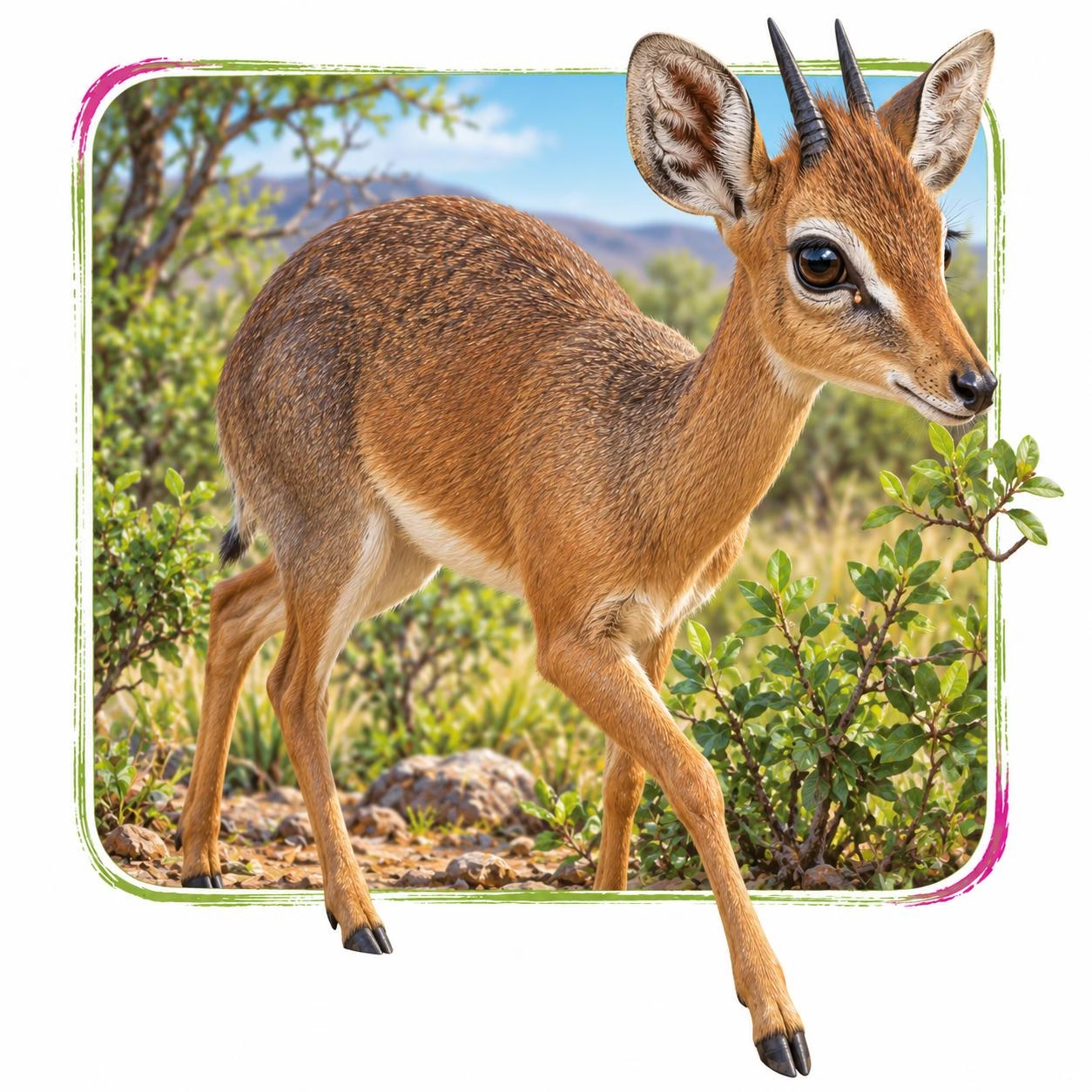
Dik-Dik in its natural Shrublands habitat