
Dolphin Facts for Kids
Dolphins are smart, social marine mammals known for jumping, clicking, whistling, swimming fast, and using echolocation to find their way underwater. They breathe air, live in groups, and give birth to live babies called calves.
Quick Dolphin Facts
- Animal Type: Mammal
- Group: Cetacean
- Known For: Echolocation and social behavior
- Habitat: Oceans, seas, coastal waters, and some rivers
- Diet: Fish, squid, shrimp, and other small sea animals
What You’ll Learn
Explore 10 clever dolphin facts for kids about communication, swimming, echolocation, social groups, and play, plus a quiz, glossary, and dolphin activity
These facts are written simply for kids, parents, teachers, and curious little fact-hunters.
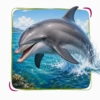
10 Fun Dolphin Facts for Kids
1. Dolphins Are Mammals
Dolphins are mammals, not fish. They breathe air, give birth to live young, and feed their babies milk.
Kid Decode: A dolphin is a sea mammal wearing a swimmer’s body.
2. Dolphins Breathe Through Blowholes
Dolphins breathe air through a blowhole on top of their heads. They must come to the surface to breathe.
Kid Decode: A dolphin’s nose is on the roof.
3. Baby Dolphins Are Called Calves
A baby dolphin is called a calf. Calves stay close to their mothers and learn how to swim, breathe, and find food.
Kid Decode: A dolphin calf is a tiny ocean student.
4. Dolphins Live in Groups Called Pods
Many dolphins live in social groups called pods. Pod members may travel, hunt, play, and protect each other.
Kid Decode: A dolphin pod is an ocean friend squad.
5. Dolphins Use Echolocation
Dolphins make clicking sounds and listen for echoes that bounce back from objects. This helps them find food and move through water.
Kid Decode: Echolocation is dolphin sonar.
6. Dolphins Communicate With Sounds
Dolphins use whistles, clicks, squeaks, and body movements to communicate with each other.
Kid Decode: Dolphins have a splashy underwater soundboard.
7. Dolphins Are Fast Swimmers
Dolphins have smooth bodies and strong tails that help them move quickly through water.
Kid Decode: A dolphin can turn water into a race track.
8. Dolphins Can Jump Out of the Water
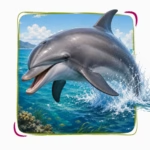
Dolphins may leap, spin, or splash above the water. Jumping can help with play, communication, travel, or removing parasites.
Kid Decode: Dolphins make ocean acrobatics look easy.
9. Some Dolphins Live in Rivers
Most dolphins live in oceans, but a few dolphin species live in rivers or freshwater areas.
Kid Decode: Not every dolphin lives in salty water.
10. Dolphins Help Ocean Ecosystems
As predators, dolphins help balance populations of fish and squid in their habitats.
Kid Decode: Dolphins are part of the ocean’s balance team.
The Weirdest Dolphin Fact
Dolphins can use echolocation, which means they can “see” underwater with sound echoes.
Try This Dolphin Activity
Dolphin Drawing Activity
Draw a dolphin leaping over ocean waves. Add a blowhole, curved body, splashes, fish, bubbles, and a small calf swimming nearby.
Quick Dolphin Quiz
- Are dolphins fish or mammals? Answer: Mammals.
- What is a baby dolphin called? Answer: A calf.
- What is a group of dolphins called? Answer: A pod.
- What do dolphins use to breathe air? Answer: A blowhole.
- What is echolocation? Answer: Finding things by listening to sound echoes.
Mini Glossary
- Calf: A baby dolphin.
- Pod: A group of dolphins.
- Blowhole: The breathing opening on top of a dolphin’s head.
- Echolocation: Finding things by listening to echoes.
- Cetacean: A group of marine mammals that includes dolphins, whales, and porpoises.
 Great Hornbill Facts for Kids
 Egyptian Goose Facts for Kids
 Sheep Facts for Kids
 Gigantoraptor Facts for Kids
More Animal Facts for Kids
Visit the full animal facts library or explore a focused animal group.
More Extinct Animal Facts for Kids
Discover dinosaurs, Ice Age giants, prehistoric sea creatures, recently extinct species, and other animals from the past.
Fact check note: Fact checked with Britannica Kids dolphin resources, Britannica dolphin resources, and trusted marine mammal education references.

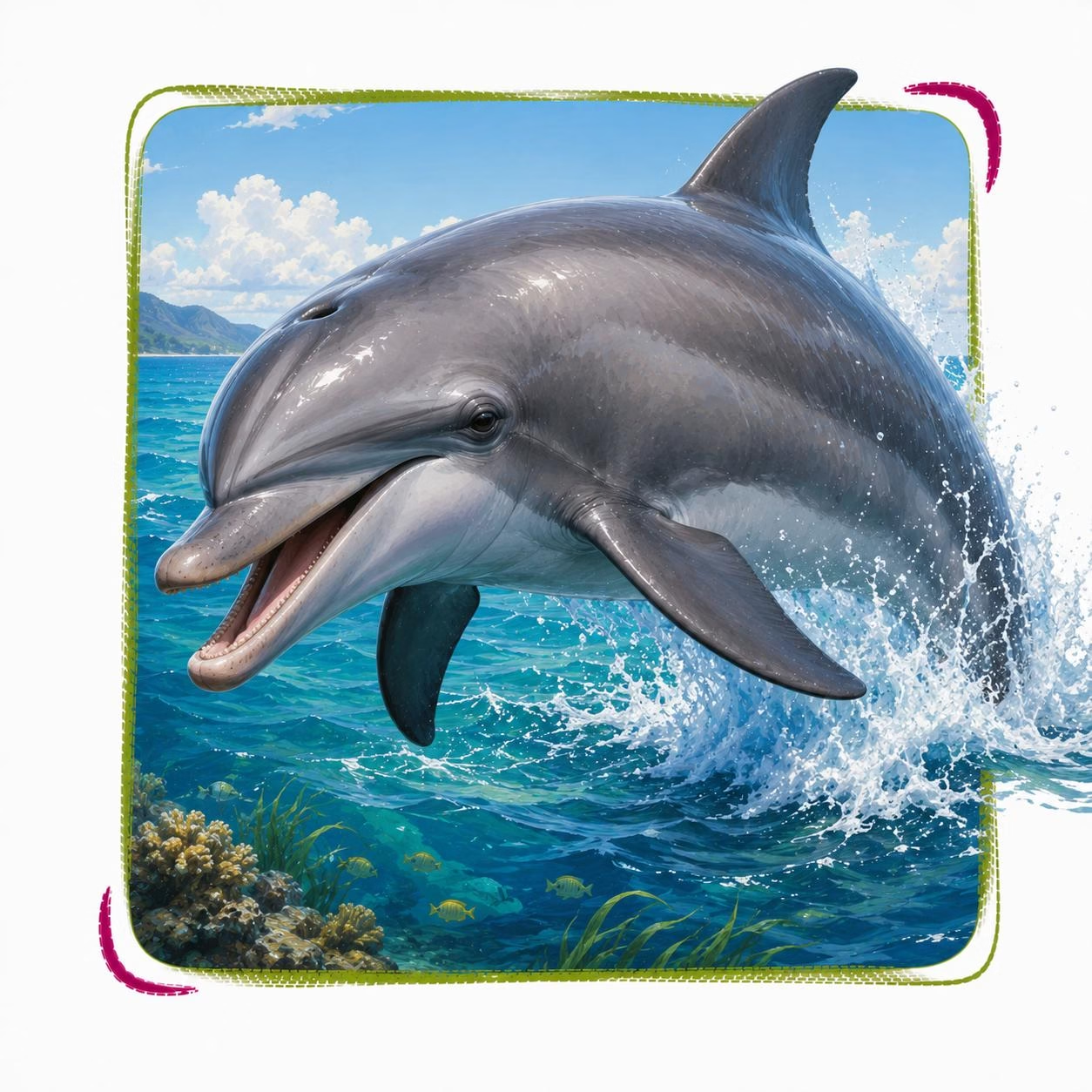
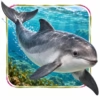
Dolphin in its natural Oceans habitat