
Donkey Facts for Kids
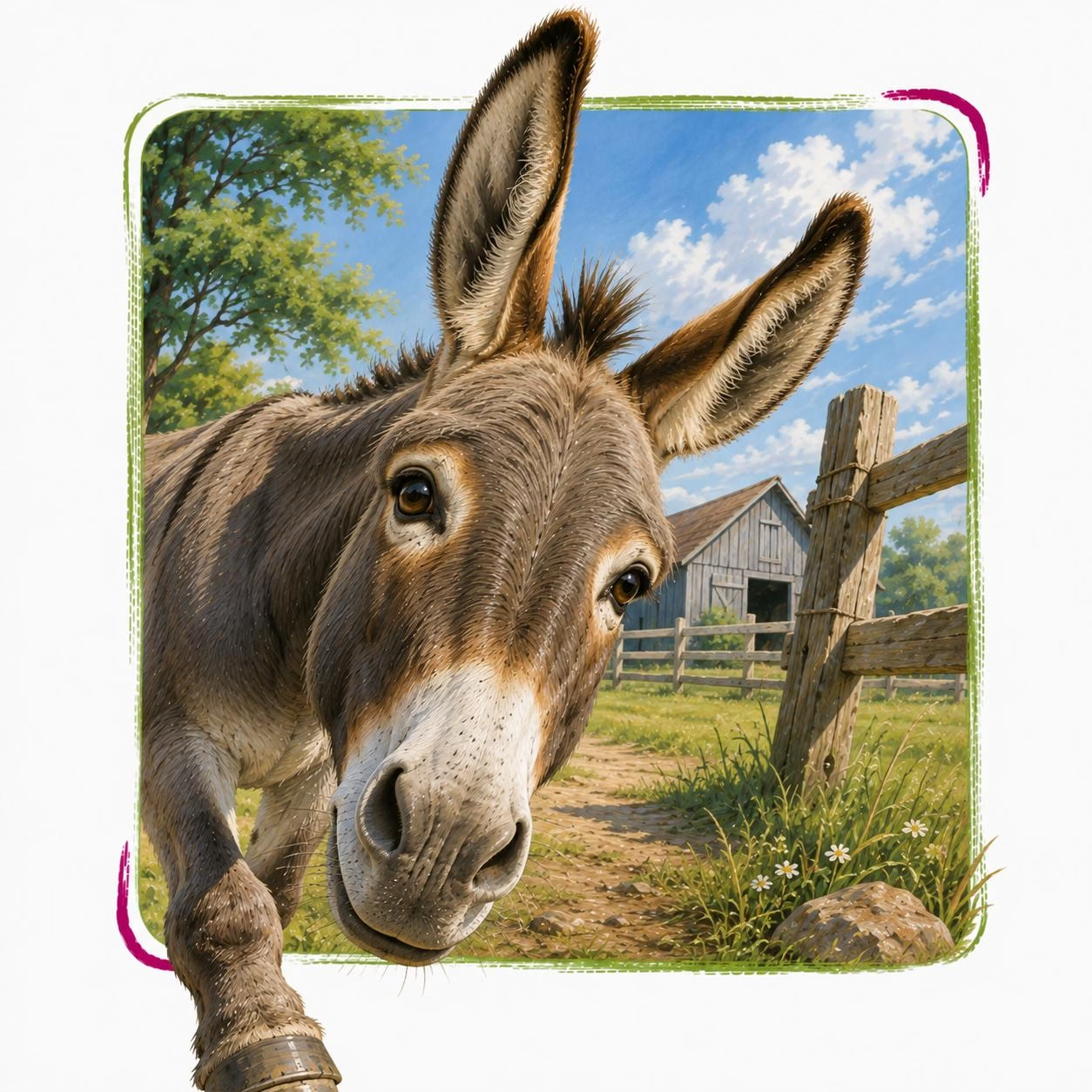
Donkeys are sturdy mammals in the horse family. They are known for long ears, strong bodies, careful steps, loud brays, and their long history of helping people carry loads and travel in tough places.
Quick Donkey Facts
- Animal Type: Mammal
- Group: Horse family
- Known For: Long ears and braying
- Habitat: Farms, dry lands, grasslands, and mountain areas
- Diet: Grass, hay, shrubs, and other plants
What You’ll Learn
Explore 10 surprising donkey facts for kids about strong memories, big ears, braying, strength, and more, plus a quiz, glossary, and donkey activity
Simple explanations make them great for kids, families, teachers, and curious young minds.

10 Fun Donkey Facts for Kids
1. Donkeys Belong to the Horse Family
Donkeys are related to horses and zebras. They are members of the Equidae family and descended from the African wild ass.
Kid Decode: Donkeys are horse cousins with extra-long ears.
2. Donkeys Have Long Ears
A donkey’s long ears help it hear sounds from far away and may also help release heat in warm places.
Kid Decode: Donkey ears are giant listening sails.
3. Donkeys Make a Sound Called a Bray
Donkeys are famous for their loud “hee-haw” sound, called a bray. They use sounds to communicate with other donkeys and people.
Kid Decode: A donkey bray is the farm’s trumpet solo.
4. Baby Donkeys Are Called Foals
A baby donkey is called a foal. Male donkeys are often called jacks, and female donkeys are called jennies.
Kid Decode: A donkey foal is a tiny long-eared explorer.
5. Donkeys Are Herbivores
Donkeys eat plants such as grass, hay, shrubs, and tough dry plants. Their bodies are good at using rough food.
Kid Decode: A donkey can turn tough plants into fuel.
6. Donkeys Are Strong and Sure-Footed
Donkeys can walk carefully on rocky or uneven ground. This made them useful for carrying loads in difficult places.
Kid Decode: Donkeys have careful feet and mountain-smart steps.
7. Donkeys Have Helped People for Thousands of Years
People have used donkeys for carrying goods, pulling carts, farming, and travel for thousands of years.
Kid Decode: Donkeys are old-school helpers with hooves.
8. Donkeys Can Be Cautious
Donkeys may stop and think when something feels unsafe. This is sometimes mistaken for stubbornness, but often it is careful behavior.
Kid Decode: A donkey likes to inspect the problem before joining the drama.
9. Donkeys Have Good Memories
Donkeys can remember places and other donkeys. Their memory helps them navigate and recognize familiar companions.
Kid Decode: A donkey brain keeps a sturdy little map.
10. Donkeys Need Companionship
Donkeys are social animals and usually do better with company. They can form strong bonds with other donkeys or suitable animal friends.
Kid Decode: A happy donkey likes a buddy nearby.
The Weirdest Donkey Fact
Donkeys are often called stubborn, but many times they are simply being careful and checking whether something is safe.
Try This Donkey Activity
Donkey Drawing Activity
Draw a donkey standing on a sunny farm path. Add long ears, strong hooves, a small cart, hay, flowers, and a friendly foal beside it.
Quick Donkey Quiz
- What animal family do donkeys belong to? Answer: The horse family.
- What sound does a donkey make? Answer: A bray.
- What is a baby donkey called? Answer: A foal.
- Are donkeys herbivores or carnivores? Answer: Herbivores.
- What are female donkeys often called? Answer: Jennies.
Mini Glossary
- Foal: A baby donkey or horse.
- Bray: The loud sound a donkey makes.
- Herbivore: An animal that eats plants.
- Equidae: The horse family, including horses, donkeys, and zebras.
- Sure-footed: Able to walk safely on rough ground.




 Wallaby Facts for Kids
 Eland Facts for Kids
 Eastern Grey Kangaroo Facts for Kids
 Hawaiian Rail Facts for Kids
More Animal Facts for Kids
Visit the full animal facts library or explore a focused animal group.
More Extinct Animal Facts for Kids
Discover dinosaurs, Ice Age giants, prehistoric sea creatures, recently extinct species, and other animals from the past.
Fact check note: Fact checked with Britannica donkey resources, Britannica Kids donkey resources, and trusted equine education references.

Donkey in its natural Farms habitat