
Dugong Facts for Kids
Dugongs are gentle marine mammals often called sea cows. They live in warm coastal waters, graze on seagrass, breathe air at the surface, and use a whale-like fluked tail to swim.
Quick Dugong Facts
- Animal Type: Mammal
- Group: Sirenian
- Known For: Seagrass grazing and fluked tail
- Habitat: Warm shallow coastal waters, bays, lagoons, and seagrass meadows
- Diet: Mostly seagrass and other marine plants
What You’ll Learn
Learn 10 fascinating dugong facts for kids about seagrass, flippers, ocean habitats, diving, and their unusual relatives, plus a quiz, glossary, and dugong activity
These simple facts are made for kids, parents, teachers, and young animal fans.
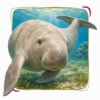
10 Fun Dugong Facts for Kids
1. Dugongs Are Marine Mammals
Dugongs are mammals, not fish. They breathe air, give birth to live young, and feed their calves milk.
Kid Decode: A dugong is a gentle sea cow with mammal rules.
2. Dugongs Eat Seagrass
Dugongs mostly graze on seagrass growing in shallow coastal waters. They use their strong lips to pull up plant food.
Kid Decode: A dugong is the quiet lawn mower of the sea.
3. Dugongs Are Called Sea Cows
Dugongs are nicknamed sea cows because they slowly graze on underwater plants, much like cows graze on grass.
Kid Decode: Sea cow is a very honest dugong nickname.
4. Baby Dugongs Are Called Calves
A baby dugong is called a calf. Calves stay close to their mothers and drink milk while they grow.
Kid Decode: A dugong calf is a round little ocean baby.
5. Dugongs Have Fluked Tails
Unlike manatees, dugongs have a tail with two pointed flukes, more like a whale’s tail.
Kid Decode: A dugong tail looks like a soft ocean butterfly paddle.
6. Dugongs Live in Warm Oceans
Dugongs live in warm coastal waters of the Indian and Pacific Oceans, especially where seagrass meadows grow.
Kid Decode: Dugongs follow the warm-water snack map.
7. Dugongs Are Sirenians
Dugongs belong to the animal group Sirenia, along with manatees. Sirenians are plant-eating aquatic mammals.
Kid Decode: Dugongs and manatees are sea-cow cousins.
8. Dugongs Make Grazing Trails
When dugongs feed, they can leave trails through seagrass beds. These trails show where they have been grazing.
Kid Decode: A dugong can leave a dinner path in the seagrass.
9. Dugongs Move Slowly
Dugongs are usually slow, calm swimmers. They spend much of their time eating, resting, and traveling through shallow water.
Kid Decode: Dugongs live life on gentle ocean speed.
10. Dugongs Need Seagrass Protection
Dugongs depend on healthy seagrass meadows. Pollution, boat strikes, fishing gear, and habitat loss can hurt them.
Kid Decode: Protecting seagrass is dugong kindness.
The Weirdest Dugong Fact
Dugongs are called sea cows, but their tail looks more like a whale tail than a manatee tail.
Try This Dugong Activity
Dugong Drawing Activity
Draw a dugong floating over a seagrass meadow. Add a fluked tail, round body, gentle face, bubbles, warm blue water, and a calf swimming nearby.
Quick Dugong Quiz
- What nickname do dugongs have? Answer: Sea cows.
- Are dugongs mammals or fish? Answer: Mammals.
- What do dugongs mostly eat? Answer: Seagrass.
- What is a baby dugong called? Answer: A calf.
- What animal group do dugongs belong to? Answer: Sirenians.
Mini Glossary
- Calf: A baby dugong.
- Sirenian: A plant-eating aquatic mammal such as a dugong or manatee.
- Seagrass: A flowering plant that grows underwater in shallow seas.
- Flukes: The two parts of a whale-like tail.
- Grazing: Eating grass or plant material over an area.
 Barracuda Facts for Kids
 Chevrotain Facts for Kids
 Reticulated Python Facts for Kids
 Brachiosaurus Facts for Kids
More Animal Facts for Kids
Visit the full animal facts library or explore a focused animal group.
More Extinct Animal Facts for Kids
Discover dinosaurs, Ice Age giants, prehistoric sea creatures, recently extinct species, and other animals from the past.
Fact check note: Fact checked with Britannica dugong resources, Britannica sirenian resources, Seagrass-Watch dugong resources, and trusted marine mammal education references.

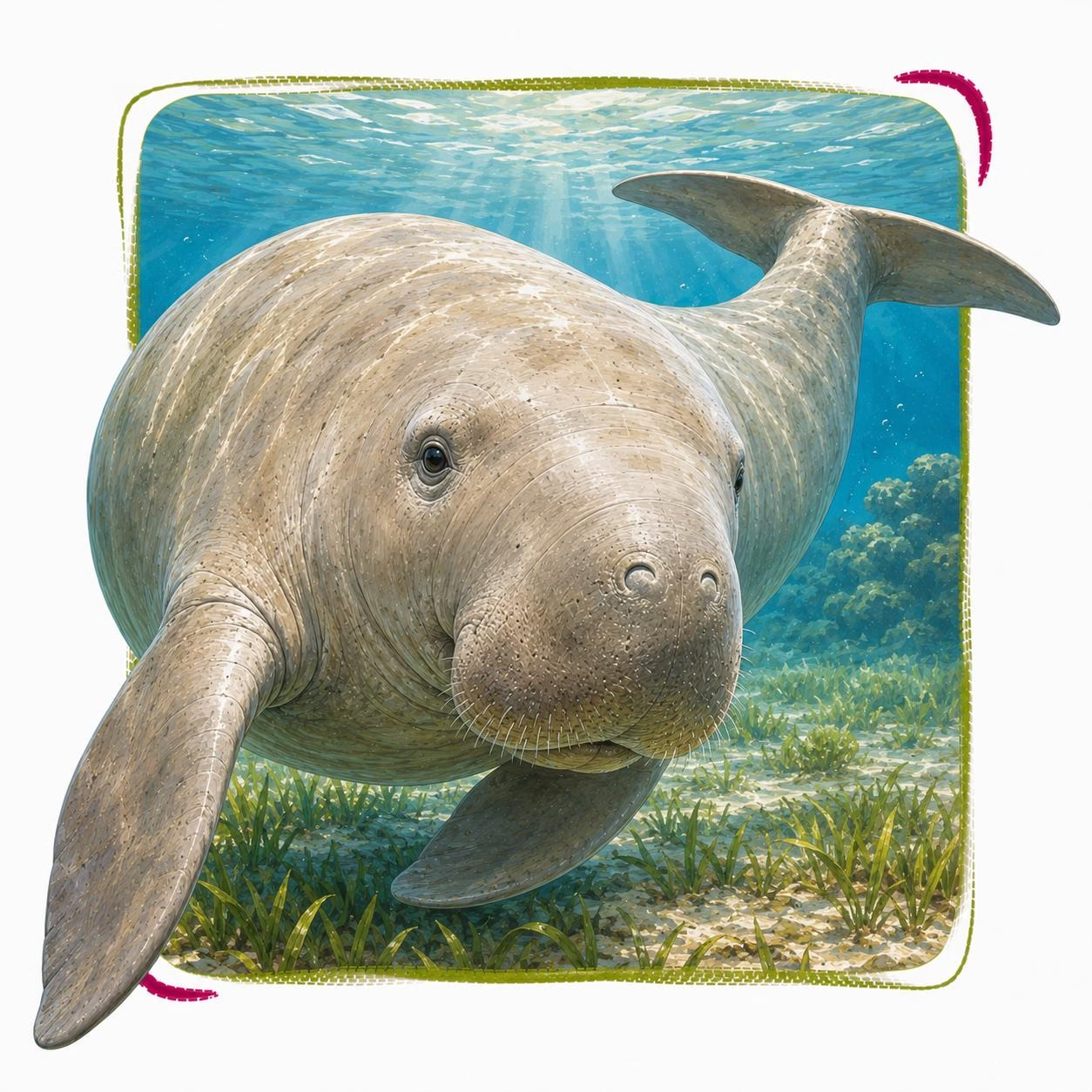
Dugong in its natural Coastal Waters habitat