
Earthworm Facts for Kids
Earthworms are soft segmented worms that live in moist soil, leaf litter, gardens, and compost. They tunnel through the ground, eat decaying plant material, and leave behind castings that help recycle nutrients in the soil.
Quick Earthworm Facts
- Animal Type: Annelid and segmented worm
- Group: Earthworm and oligochaete worm
- Known For: Soil tunnels, castings, moist skin breathing, clitellum, cocoons, juveniles, setae bristles, and compost helping
- Habitat: Moist soil, gardens, farms, forests, leaf litter, compost piles, grasslands, under logs, and shaded ground with organic matter
- Diet: Decaying leaves, dead plant material, soil microbes, tiny bits of organic matter, compost scraps, and soft rotting plant foods
What You’ll Learn
Explore 10 fascinating trout facts for kids about spotted bodies, cold streams, gills, hunting insects, and freshwater habitats, with a quiz, glossary, and activity
These facts are explained simply for kids, parents, teachers, and curious little fact-finders.
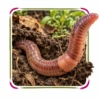
10 Fun Earthworm Facts for Kids
1. Earthworms Are Segmented Worms
Earthworms are annelids, which means their bodies are made of many ring-like segments.
Kid Decode: An earthworm looks like a tiny living train made of soft rings.
2. They Breathe Through Skin
Earthworms do not have lungs; oxygen passes through their moist skin.
Kid Decode: Dry skin is trouble for a worm, so damp soil is worm paradise.
3. Baby Earthworms Are Juveniles
Young earthworms hatch from cocoons as small juveniles, not as larvae.
Kid Decode: A juvenile earthworm is a mini soil noodle ready to tunnel.
4. Earthworms Make Cocoons
A thick band called the clitellum helps an adult earthworm make a cocoon for eggs.
Kid Decode: The clitellum is like a worm belt with a nursery job.
5. They Have Tiny Bristles
Earthworms use small bristles called setae to grip soil while moving.
Kid Decode: Those bristles are tiny underground hiking spikes.
6. They Tunnel Through Soil
Earthworms push and squeeze through soil, making tunnels as they move.
Kid Decode: Worm tunnels are little airways and water paths for the ground.
7. They Leave Castings
Earthworm poop is called castings and can add recycled nutrients to soil.
Kid Decode: Castings are soil confetti made by the worm’s recycling factory.
8. They Help Mix Soil
As earthworms eat and burrow, they mix organic matter into the soil.
Kid Decode: One small worm can be a quiet underground gardener.
9. They Avoid Bright Dry Places
Earthworms usually stay underground or come out when it is damp because sunlight and dryness can harm them.
Kid Decode: Rainy sidewalks are worm traffic jams, so step carefully.
10. They Help Compost
Some earthworms help turn old leaves and food scraps into rich compost.
Kid Decode: In the compost bin, worms are tiny cleanup crews with no uniforms.
The Weirdest Earthworm Fact
An earthworm breathes through its skin, so it must stay moist to survive.
Try This Earthworm Activity
Earthworm Drawing Activity
Draw an earthworm tunnel under a garden. Add ring-like segments, setae bristle labels, clitellum band, cocoon, juvenile worm, castings, roots, leaves, compost scraps, rain droplets, and soil tunnels.
Quick Earthworm Quiz
- What animal group are earthworms in? Answer: Segmented worms called annelids.
- What are young earthworms called? Answer: Juveniles.
- How do earthworms breathe? Answer: Through moist skin.
- What tiny bristles help earthworms grip soil? Answer: Setae.
- What is earthworm poop called? Answer: Castings.
Mini Glossary
- Annelid: A segmented worm, such as an earthworm.
- Juvenile: A young animal that is not fully grown.
- Clitellum: A thick band on an adult earthworm that helps make cocoons.
- Setae: Tiny bristles that help an earthworm grip and move.
- Castings: Earthworm waste that helps recycle nutrients in soil.
 Reef Shark Facts for Kids
 Kangaroo Rat Facts for Kids
 Mule Deer Facts for Kids
 Lake Mackay Hare-Wallaby Facts for Kids
More Animal Facts for Kids
Visit the full animal facts library or explore a focused animal group.
More Extinct Animal Facts for Kids
Discover dinosaurs, Ice Age giants, prehistoric sea creatures, recently extinct species, and other animals from the past.
Fact check note: Fact checked with NatureWatch WormWatch earthworm anatomy resources, NC State Extension vermicomposting resources, U.S. Botanic Garden earthworm education references, and trusted soil biology sources.
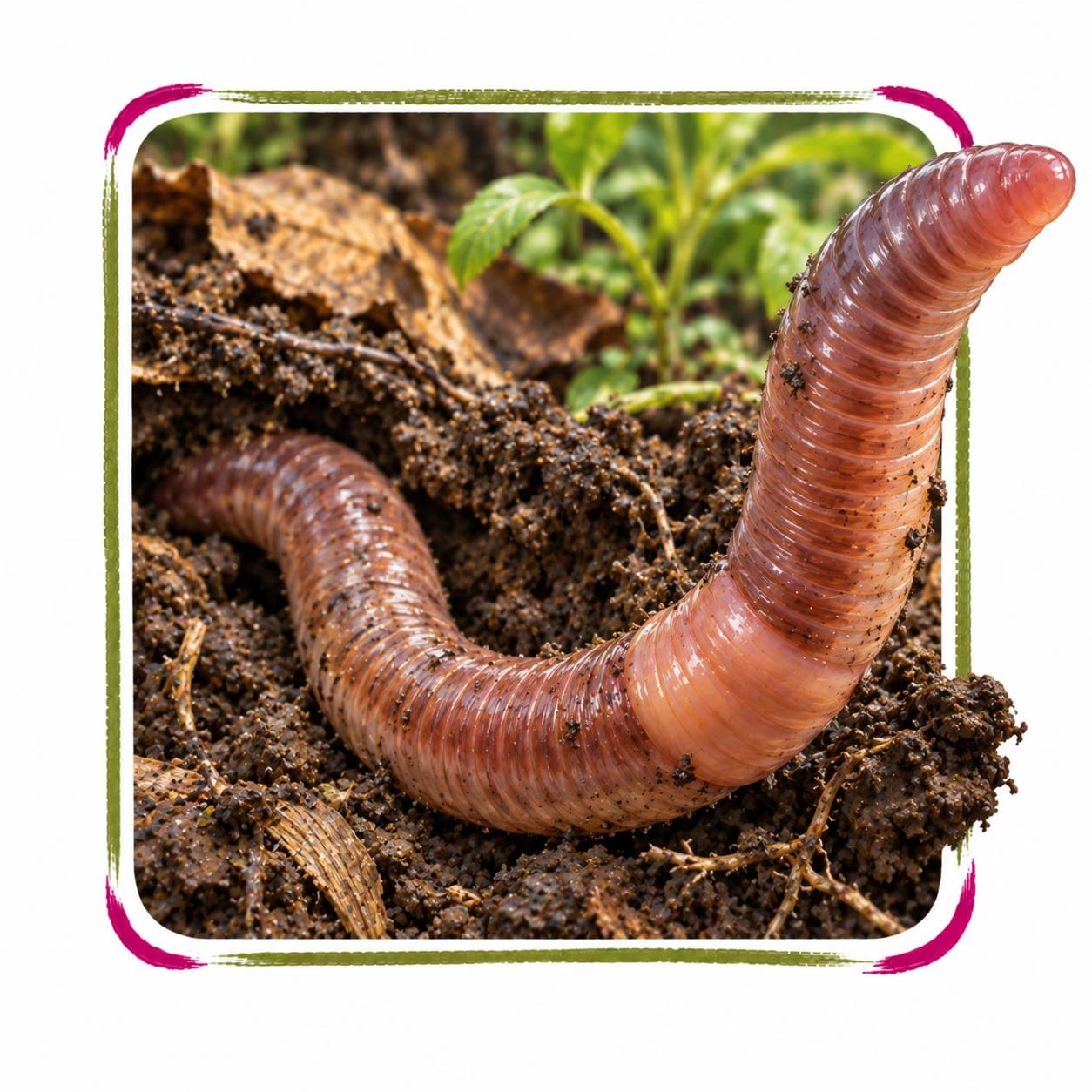
Earthworm in its natural Soil habitat