
Echidna Facts for Kids
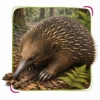
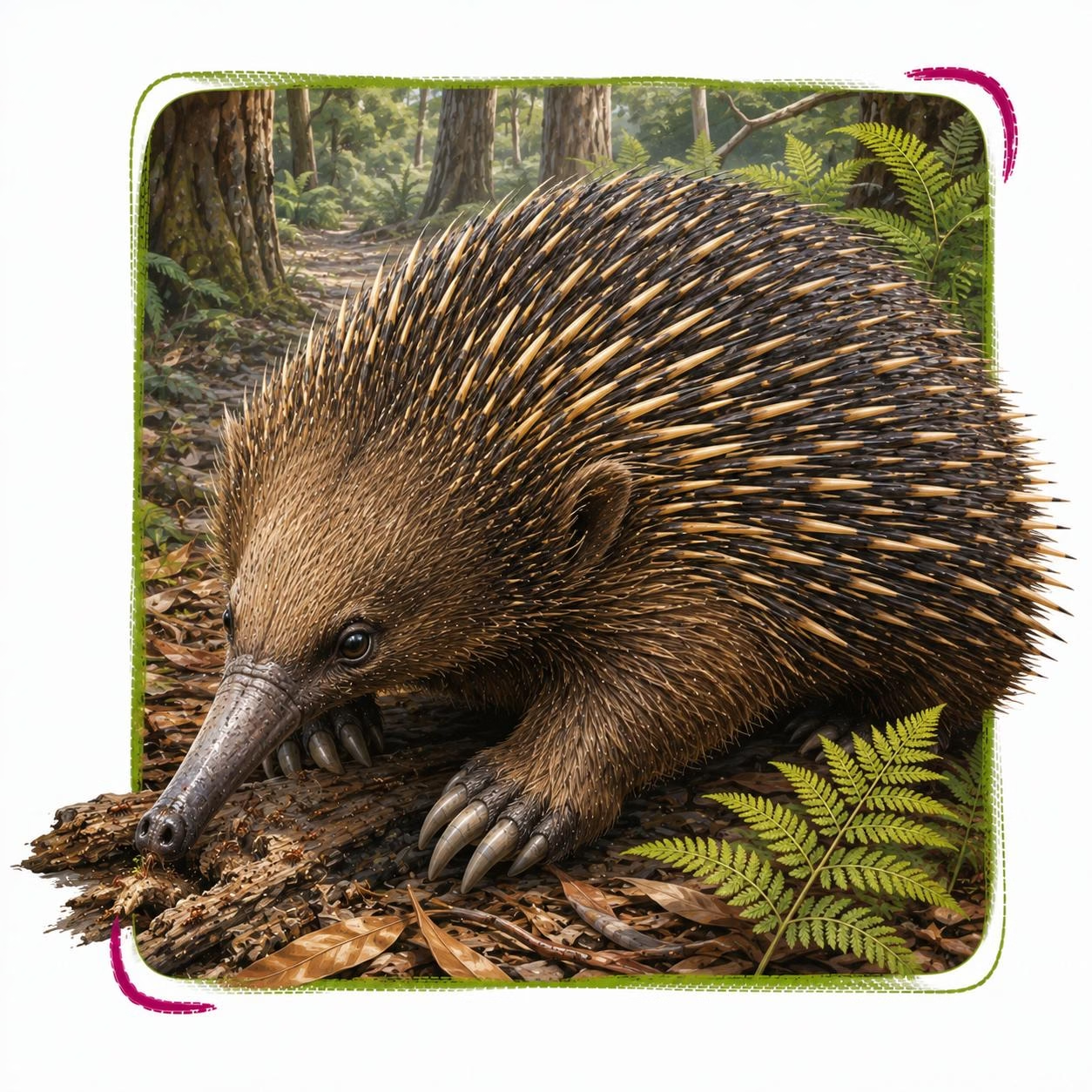
Echidnas are strange and spiky mammals from Australia, Tasmania, and New Guinea. They are monotremes, which means they lay eggs, and they use long sticky tongues to eat ants and termites.
Quick Echidna Facts
- Animal Type: Mammal
- Group: Monotreme
- Known For: Egg laying and spines
- Habitat: Forests, grasslands, deserts, and scrublands in Australia, Tasmania, and New Guinea
- Diet: Ants, termites, worms, and small insects
What You’ll Learn
Discover 10 fascinating echidna facts for kids about spines, eggs, long tongues, digging, and unusual mammal features, plus a quiz, glossary, and echidna activity
These facts are easy for kids, parents, teachers, and young animal explorers to follow.
10 Fun Echidna Facts for Kids
1. Echidnas Are Mammals That Lay Eggs
Echidnas are monotremes, a rare group of mammals that lay eggs instead of giving birth to live babies.
Kid Decode: Echidnas are mammals with an egg trick.
2. Echidnas Are Related to Platypuses
Echidnas and platypuses are the only living monotremes. They are unusual mammals with ancient family roots.
Kid Decode: Echidnas have one very odd river cousin.
3. Echidnas Have Spines
Echidnas have sharp spines mixed with coarse hair. The spines help protect them from predators.
Kid Decode: An echidna wears a prickly safety jacket.
4. Echidnas Eat Ants and Termites
Echidnas use long sticky tongues to catch ants, termites, and other tiny foods. They do not have teeth like many mammals.
Kid Decode: An echidna tongue is a sticky insect collector.
5. Echidnas Have Strong Digging Claws
Echidnas use strong claws to dig into soil, break open insect nests, and hide quickly when danger appears.
Kid Decode: Echidna claws are tiny digging machines.
6. Baby Echidnas Are Called Puggles
Baby echidnas are often called puggles. They hatch from eggs and grow safely while their mothers care for them.
Kid Decode: A puggle is one of the cutest weird animal words.
7. Echidnas Can Curl Up for Protection
When threatened, an echidna may curl into a spiky ball or dig down into the ground to protect its soft belly.
Kid Decode: Echidnas can become a prickly little fortress.
8. Echidnas Have Long Snouts
Echidnas have long snouts that help them sniff out food. Their snouts are useful for searching soil, logs, and insect nests.
Kid Decode: An echidna snout is a built-in bug detector.
9. Echidnas Are Usually Solitary
Echidnas usually spend much of their time alone, except during breeding season or when mothers care for young.
Kid Decode: Echidnas enjoy quiet solo wandering.
10. Echidnas Help Control Insects
By eating ants and termites, echidnas help control insect populations in their habitats.
Kid Decode: Echidnas are tiny pest patrols with spines.
The Weirdest Echidna Fact
Echidnas are mammals that lay eggs, and their babies are often called puggles.
Try This Echidna Activity
Echidna Drawing Activity
Draw an echidna sniffing near an anthill. Add spines, a long snout, strong claws, ants, grass, rocks, and a sunny Australian landscape.
Quick Echidna Quiz
- What special mammal group do echidnas belong to? Answer: Monotremes.
- Do echidnas lay eggs? Answer: Yes.
- What are baby echidnas often called? Answer: Puggles.
- What do echidnas mostly eat? Answer: Ants and termites.
- What protects an echidna from predators? Answer: Spines.
Mini Glossary
- Monotreme: A mammal that lays eggs.
- Puggle: A baby echidna.
- Spines: Sharp protective hairs.
- Snout: The nose and mouth area of an animal.
- Termite: A small insect that often lives in colonies.
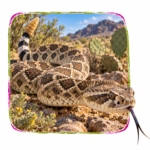 Western Diamondback Rattlesnake Facts for Kids
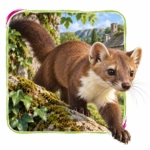 Stone Marten Facts for Kids
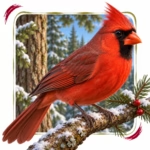 Cardinal Facts for Kids
 Proconsul Facts for Kids
More Animal Facts for Kids
Visit the full animal facts library or explore a focused animal group.
More Extinct Animal Facts for Kids
Discover dinosaurs, Ice Age giants, prehistoric sea creatures, recently extinct species, and other animals from the past.
Fact check note: Fact checked with Britannica echidna resources, Britannica monotreme resources, Britannica short-beaked echidna resources, and trusted wildlife education references.

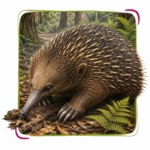
Echidna in its natural Forests habitat