
Egret Facts for Kids
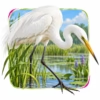
Egrets are elegant wading birds in the heron family. Many have white feathers, long legs, long necks, and pointed bills that help them walk through shallow water and catch fish, frogs, insects, and other small animals.
Quick Egret Facts
- Animal Type: Bird
- Group: Heron family and wading bird
- Known For: White feathers, long legs, long necks, pointed bills, wetland hunting, and breeding plumes
- Habitat: Marshes, swamps, lakes, ponds, rivers, wetlands, mangroves, mudflats, coasts, farms, and shallow-water habitats worldwide depending on species
- Diet: Fish, frogs, tadpoles, insects, crustaceans, small reptiles, worms, snails, and other small animals
What You’ll Learn
Learn 10 elegant egret facts for kids about white feathers, long legs, fishing, wetlands, and patient hunting, with a quiz, glossary, and activity
These simple facts are written for kids, parents, teachers, and curious young minds.
10 Fun Egret Facts for Kids
1. Egrets Are Birds
Egrets are birds with feathers, wings, beaks, and eggs.
Kid Decode: An egret is a white wetland walker with quiet patience.
2. Egrets Are Herons
Egrets belong to the heron family, along with many long-legged wading birds.
Kid Decode: They are the graceful white cousins in the heron crowd.
3. Baby Egrets Are Chicks
Baby egrets are called chicks and hatch from eggs in nests.
Kid Decode: An egret chick begins life in a twiggy treetop or marsh nursery.
4. Egrets Have Long Legs
Long legs help egrets walk through shallow water while searching for food.
Kid Decode: Their legs are built-in marsh stilts.
5. Egrets Have Pointed Bills
Egrets use sharp pointed bills to catch fish, frogs, insects, and other small prey.
Kid Decode: The bill works like a quick wetland spear.
6. Many Egrets Are White
Many egrets have white feathers that can look bright against blue water and green reeds.
Kid Decode: They look like moonlight walking through a marsh.
7. Egrets Grow Breeding Plumes
Some egrets grow long delicate plumes during breeding season.
Kid Decode: Those feathers once made them famous, and sadly, hunted.
8. Egrets May Nest in Colonies
Egrets often nest near other wading birds in groups called colonies or rookeries.
Kid Decode: A rookery is a noisy bird apartment complex.
9. Cattle Egrets Follow Large Animals
Cattle egrets often follow cattle or other grazing animals to catch insects stirred up by their feet.
Kid Decode: They let big animals do the bug-flushing work.
10. Egrets Need Healthy Wetlands
Egrets need clean wetlands, safe nesting trees, shallow water, and plenty of small prey.
Kid Decode: Protecting wetlands keeps the white wading birds hunting.
The Weirdest Egret Fact
Some cattle egrets follow large animals around like tiny white bug detectives waiting for insects to jump.
Try This Egret Activity
Egret Drawing Activity
Draw an egret standing in a marsh. Add white feathers, long legs, long neck, pointed bill, chicks in a rookery nest, fish, frogs, reeds, water ripples, and a cattle egret following a cow in the background.
Quick Egret Quiz
- What animal group are egrets in? Answer: Birds.
- What bird family do egrets belong to? Answer: The heron family.
- What are baby egrets called? Answer: Chicks.
- What helps egrets walk in shallow water? Answer: Long legs.
- What do egrets eat? Answer: Fish, frogs, insects, crustaceans, and other small animals.
Mini Glossary
- Bird: An animal with feathers, wings, and a beak.
- Wading Bird: A bird that walks through shallow water to feed.
- Chick: A baby bird.
- Colony: A group of animals nesting or living close together.
- Plume: A long decorative feather.
 Stingray Facts for Kids
 Takin Facts for Kids
 Kangaroo Facts for Kids
 Woolly Mammoth Facts for Kids
More Animal Facts for Kids
Visit the full animal facts library or explore a focused animal group.
More Extinct Animal Facts for Kids
Discover dinosaurs, Ice Age giants, prehistoric sea creatures, recently extinct species, and other animals from the past.
Fact check note: Fact checked with Britannica egret resources, Britannica Kids egret resources, Britannica heron family resources, and trusted bird education references.

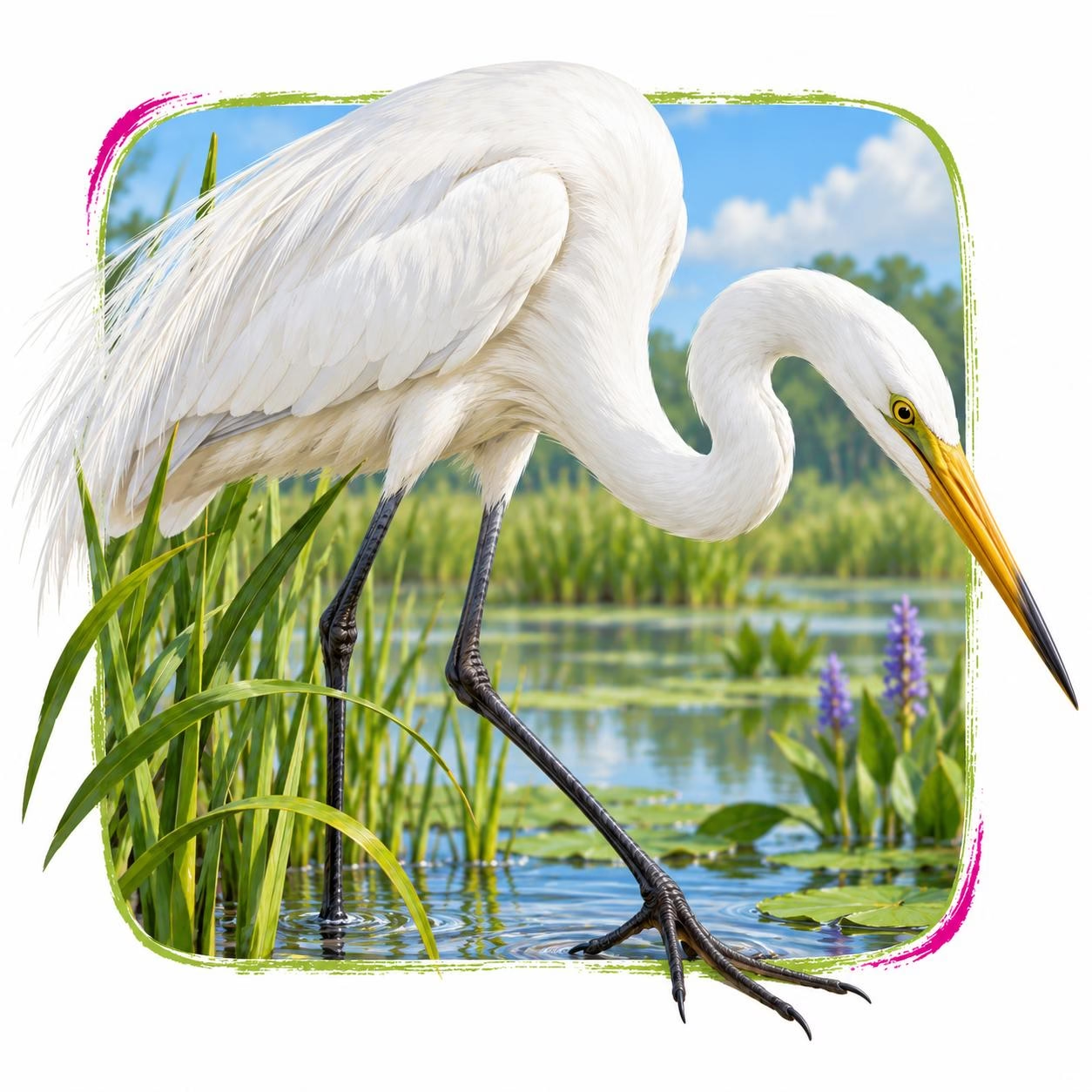
Egret in its natural Wetlands habitat