
Ferret Facts for Kids
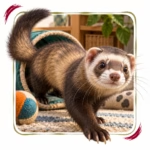
Ferrets are small domesticated mustelid mammals with long flexible bodies, short legs, pointed faces, and curious behavior. The common ferret is a domesticated form of the European polecat and has been used by people for hunting and companionship.
Quick Ferret Facts
- Animal Type: Mammal
- Group: Mustelid and domesticated ferret
- Known For: Long body, curiosity, playful movement, and polecat ancestry
- Habitat: Mostly homes and human care as domestic animals; related wild polecats live in grasslands, wetlands, farms, woodlands, and burrows
- Diet: Meat-based foods, small animal prey in wild relatives, and carefully balanced ferret food in human care
What You’ll Learn
Explore 10 playful ferret facts for kids about long bodies, burrowing, whiskers, sleep, and curious behavior, plus a quiz, glossary, and ferret activity
Clear explanations make them fun for children, families, teachers, and young nature explorers.

10 Fun Ferret Facts for Kids
1. Ferrets Are Mammals
Ferrets are mammals with fur, warm bodies, live young, and milk for their babies.
Kid Decode: A ferret is a bendy little mammal with noodle energy.
2. Ferrets Are Mustelids
Ferrets belong to the mustelid family, which includes weasels, otters, badgers, martens, and polecats.
Kid Decode: They are weasel relatives with extra wiggle.
3. Common Ferrets Are Domesticated
The common ferret is a domesticated form of the European polecat, bred and cared for by people.
Kid Decode: A pet ferret is a tiny mustelid house explorer.
4. Baby Ferrets Are Kits
Baby ferrets are called kits. A group of kits grows with care from the mother and humans when in domestic settings.
Kid Decode: A ferret kit is a squeaky little fur noodle.
5. Ferrets Have Long Bodies
Ferrets have long narrow bodies that help them move through tunnels, burrows, and tight spaces.
Kid Decode: Their body is shaped like a furry question mark on legs.
6. Ferrets Are Carnivores
Ferrets are carnivores and need meat-based food to stay healthy.
Kid Decode: Their lunchbox is built for protein, not salad.
7. Ferrets Sleep a Lot
Ferrets often sleep for many hours each day, then wake up ready to explore and play.
Kid Decode: They recharge like tiny floppy batteries.
8. Ferrets Can Be Very Playful
Ferrets may hop, twist, chase toys, and do a joyful bouncing movement sometimes called a war dance.
Kid Decode: Their play mode looks like a fuzzy popcorn machine.
9. Ferrets Have Scent Glands
Ferrets have scent glands, and they can have a musky smell even when cared for properly.
Kid Decode: The musk is part of their mustelid signature.
10. Ferrets Need Responsible Care
Domestic ferrets need safe homes, proper food, veterinary care, enrichment, and supervision because they can squeeze into risky places.
Kid Decode: A happy ferret needs a safe adventure map.
The Weirdest Ferret Fact
A ferret’s long flexible body helps it explore tunnels and tight gaps, which is why people once used ferrets for hunting rabbits and rodents.
Try This Ferret Activity
Ferret Drawing Activity
Draw a ferret exploring a safe play tunnel. Add a long body, short legs, pointed face, whiskers, kit, toy ball, food bowl, cozy blanket, and a tiny no-escape sign.
Quick Ferret Quiz
- What animal family are ferrets in? Answer: Mustelids.
- What are baby ferrets called? Answer: Kits.
- What wild animal is the common ferret closely linked to? Answer: The European polecat.
- Are ferrets carnivores? Answer: Yes.
- What body shape helps ferrets move through tight spaces? Answer: A long narrow body.
Mini Glossary
- Mustelid: A mammal family that includes weasels, otters, badgers, polecats, and ferrets.
- Kit: A baby ferret or some other young mammals.
- Domesticated: Bred and cared for by people over many generations.
- Carnivore: An animal that mostly eats meat.
- Scent Gland: A body part that makes strong-smelling chemicals.

 Eastern Grey Kangaroo Facts for Kids
 Moray Eel Facts for Kids
 Snow Leopard Facts for Kids
 Sinornithosaurus Facts for Kids
More Animal Facts for Kids
Visit the full animal facts library or explore a focused animal group.
More Extinct Animal Facts for Kids
Discover dinosaurs, Ice Age giants, prehistoric sea creatures, recently extinct species, and other animals from the past.
Fact check note: Fact checked with Britannica ferret resources, Britannica polecat resources, and trusted mustelid education references.

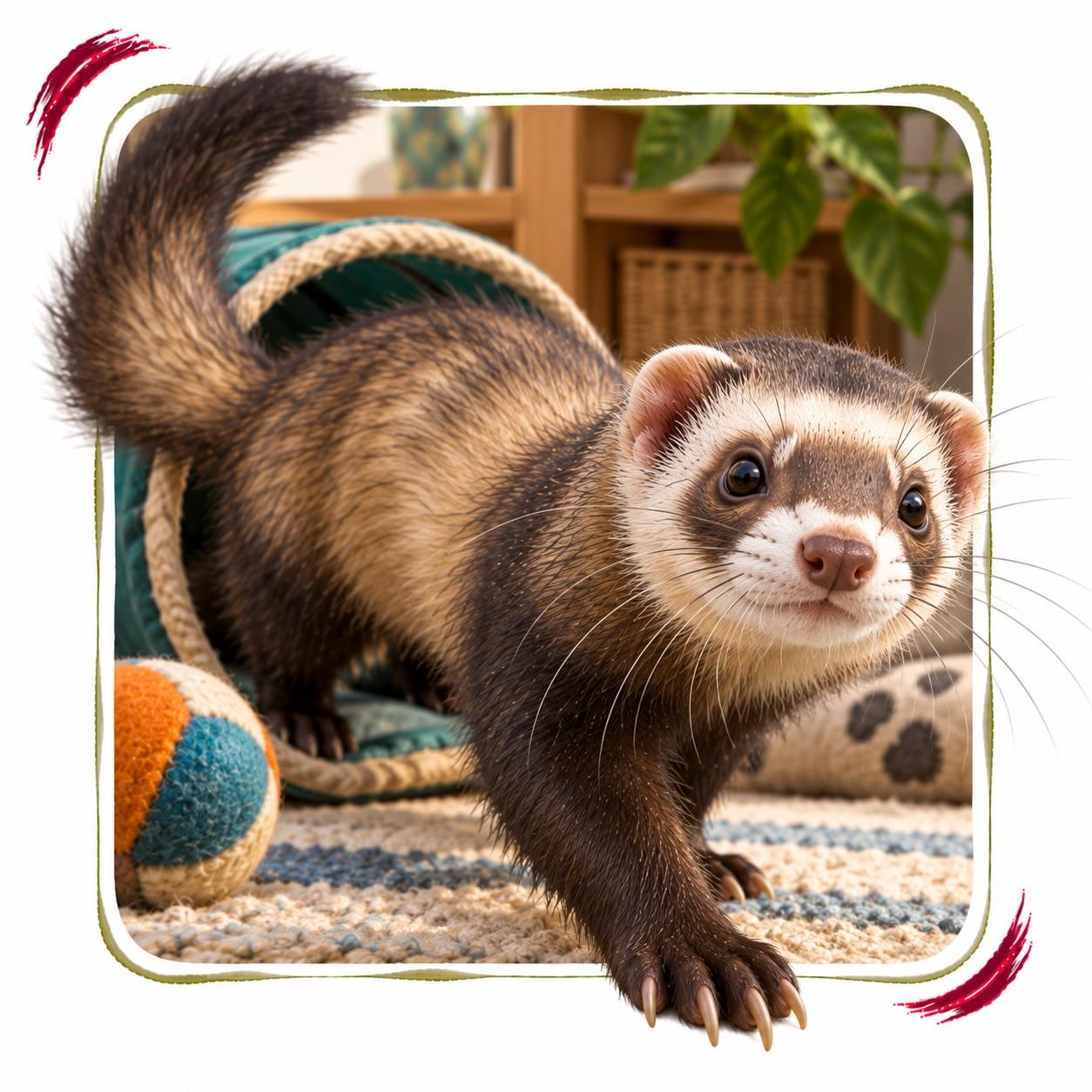
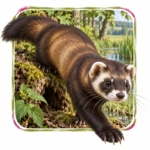
Ferret in its natural Homes habitat