
Finch Facts for Kids
Finches are small songbirds found in many parts of the world. Many have strong cone-shaped bills that help them crack seeds, while some also eat insects, fruit, buds, and other small foods depending on the species.
Quick Finch Facts
- Animal Type: Bird
- Group: Songbird and finch family
- Known For: Conical bills, seed cracking, songs, colorful feathers, flocks, and garden visits
- Habitat: Forests, grasslands, gardens, shrublands, deserts, mountains, farms, islands, woodland edges, and open habitats worldwide depending on species
- Diet: Seeds, grasses, weeds, buds, fruit, berries, insects, and other small foods depending on species and season
What You’ll Learn
Learn 10 colorful finch facts for kids about beaks, songs, seeds, flocks, and different habitats, plus a quiz, glossary, and activity
Simple explanations make them fun for children, families, teachers, and young bird explorers.
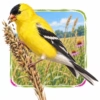
10 Fun Finch Facts for Kids
1. Finches Are Birds
Finches are birds with feathers, wings, beaks, and eggs.
Kid Decode: A finch is a small songbird with a seed-cracking toolkit.
2. Finches Are Songbirds
Finches belong to the songbird group and many species make cheerful calls or songs.
Kid Decode: Their voices add little music notes to gardens and trees.
3. Baby Finches Are Chicks
Baby finches are called chicks and hatch from eggs in nests.
Kid Decode: A finch chick begins life as a tiny hungry fluff.
4. Finches Have Conical Bills
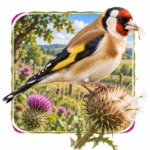
Many finches have strong cone-shaped bills for cracking seeds.
Kid Decode: Their beaks are tiny seed openers.
5. Many Finches Eat Seeds
Seeds are an important food for many finch species.
Kid Decode: A finch can turn a weed seed into lunch.
6. Finch Chicks May Eat Insects
Young finches may be fed insects because tiny chicks cannot crack hard seeds yet.
Kid Decode: Baby finches need soft protein snacks before seed school.
7. Some Finches Are Colorful
Many finches have bright red, yellow, orange, or patterned feathers, especially males of some species.
Kid Decode: A finch can look like a feathered paint chip.
8. Finches Build Nests
Finches build nests from grass, twigs, plant fibers, feathers, and other soft materials.
Kid Decode: A finch nest is a tiny woven nursery.
9. Finches May Form Flocks
Some finches gather in flocks while feeding or moving between food places.
Kid Decode: A flock is a chirpy seed-searching team.
10. Finches Need Healthy Habitats
Finches need plants, seeds, insects, trees, shrubs, and safe nesting places.
Kid Decode: Healthy habitats keep the little seed-crackers singing.
The Weirdest Finch Fact
Some finch beaks are shaped like special tools, helping different species eat different kinds of seeds or foods.
Try This Finch Activity
Finch Drawing Activity
Draw a finch perched near a seed head. Add a cone-shaped bill, colorful feathers, chicks in a nest, seeds, insects, leaves, flowers, flock friends, and musical sound notes.
Quick Finch Quiz
- What animal group are finches in? Answer: Birds.
- What are baby finches called? Answer: Chicks.
- What shape are many finch bills? Answer: Cone-shaped.
- What do many finches eat? Answer: Seeds.
- Why may young finches be fed insects? Answer: They cannot crack hard seeds yet.
Mini Glossary
- Bird: An animal with feathers, wings, and a beak.
- Songbird: A bird known for calls or songs.
- Chick: A baby bird.
- Conical Bill: A cone-shaped beak that can help crack seeds.
- Flock: A group of birds together.
 Ball Python Facts for Kids
 Alpaca Facts for Kids
 Chital Facts for Kids
 Paraceratherium Facts for Kids
More Animal Facts for Kids
Visit the full animal facts library or explore a focused animal group.
More Extinct Animal Facts for Kids
Discover dinosaurs, Ice Age giants, prehistoric sea creatures, recently extinct species, and other animals from the past.
Fact check note: Fact checked with Britannica finch resources, Britannica Kids finch resources, and trusted bird education references.

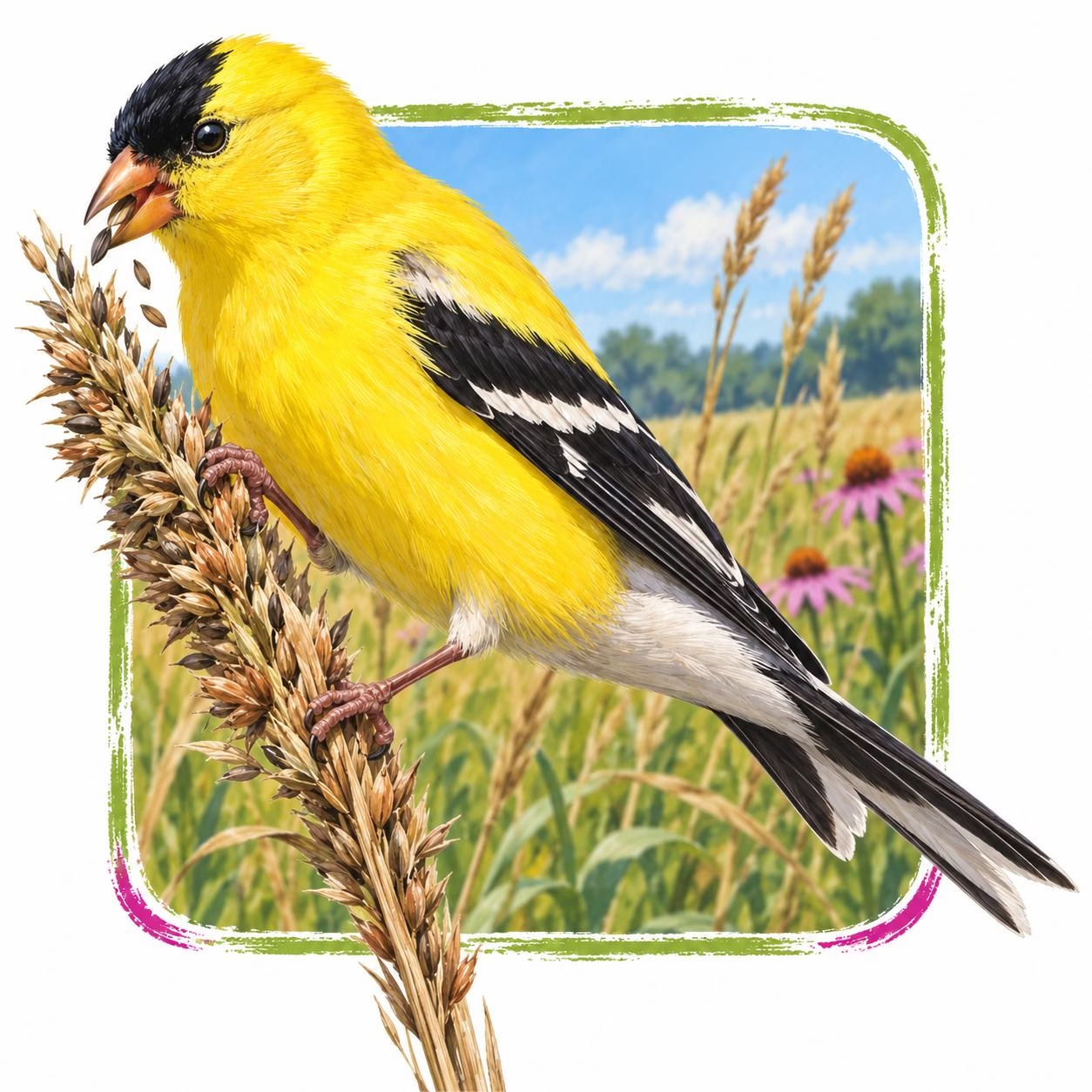
Finch in its natural Grasslands habitat