
Flea Facts for Kids
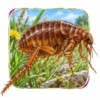
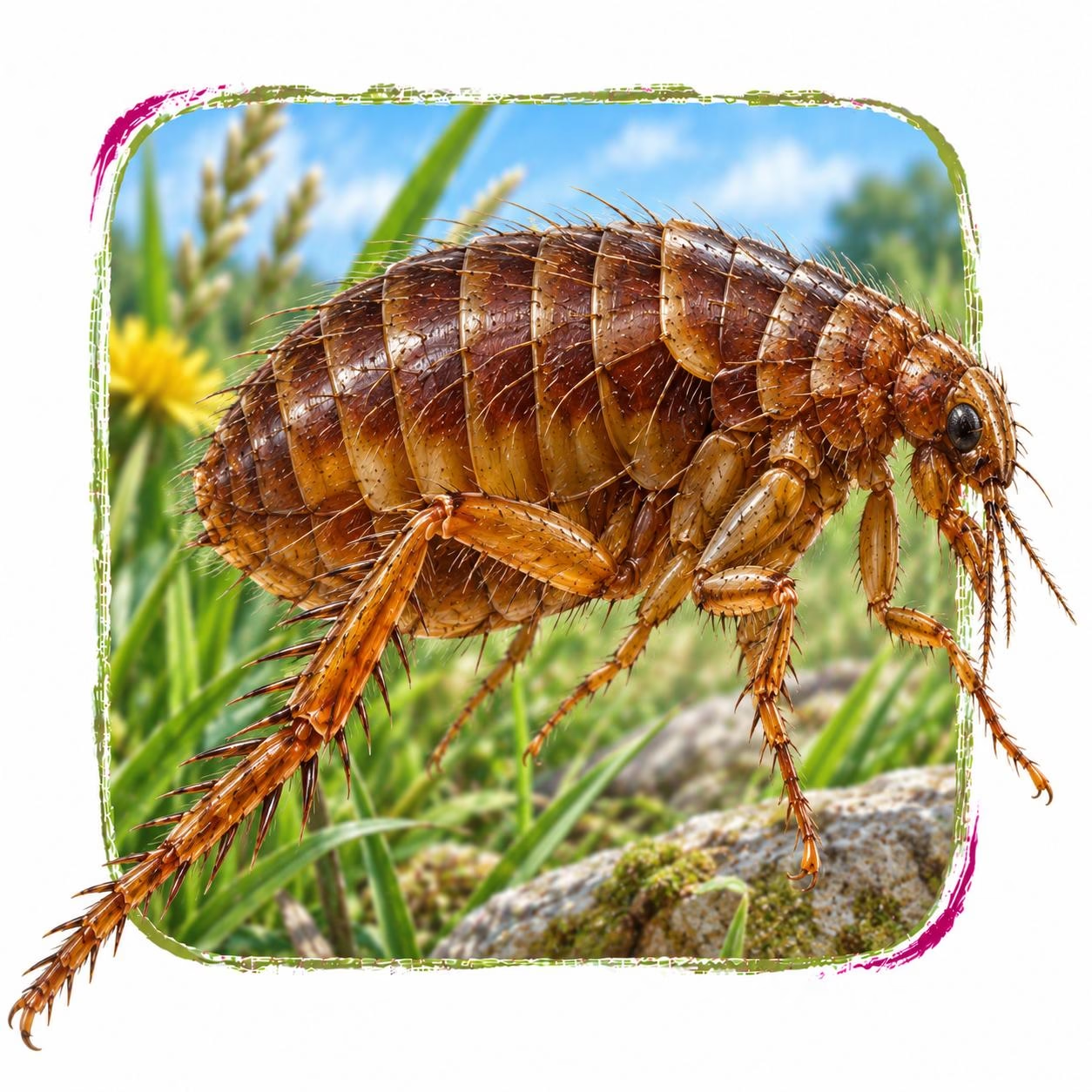
Fleas are tiny wingless insects best known for jumping and feeding on blood from animals. They have flat bodies, strong legs, and a complete life cycle that goes from egg to larva to pupa to adult.
Quick Flea Facts
- Animal Type: Insect
- Group: Flea order and external parasite
- Known For: Jumping, wingless bodies, blood meals, flat bodies, larvae, pupae, cocoons, and pet pests
- Habitat: Animal fur, nests, bedding, carpets, cracks, soil, pet resting areas, wildlife dens, and warm places near host animals
- Diet: Adult fleas feed on blood, while larvae feed on organic bits, flea dirt, dried blood, skin flakes, and tiny debris in the host’s resting place
What You’ll Learn
Explore 10 jumping fruit fly facts for kids about tiny bodies, quick reproduction, smell, feeding, and laboratory research, with a quiz, glossary, and activity
These simple facts are made for kids, parents, teachers, and curious little fact-hunters.
10 Fun Flea Facts for Kids
1. Fleas Are Insects
Fleas are insects with six legs, three body parts, and antennae.
Kid Decode: A flea is a tiny jumper with a very itchy reputation.
2. Fleas Have No Wings
Fleas are wingless insects, so they move by crawling and jumping instead of flying.
Kid Decode: No wings, no problem, this insect chose spring-loaded legs.
3. Baby Fleas Are Larvae
Young fleas are called larvae, and they look very different from adult fleas.
Kid Decode: A flea larva is a tiny pale wiggle in the life cycle.
4. Fleas Have Complete Metamorphosis
Fleas grow through egg, larva, pupa, and adult stages.
Kid Decode: This insect changes outfits several times before becoming a jumper.
5. Fleas Can Jump Well
Fleas have powerful back legs that help them jump onto hosts or through fur.
Kid Decode: For their size, fleas are tiny launch machines.
6. Adult Fleas Drink Blood
Adult fleas feed on blood from mammals or birds.
Kid Decode: The safe kid rule is simple: pets with fleas need adult help and proper care.
7. Flea Larvae Do Not Bite
Flea larvae usually feed on tiny organic bits in places where host animals rest.
Kid Decode: The baby stage is more crumb cleaner than biting pest.
8. Fleas Have Flat Bodies
Fleas are flattened from side to side, helping them move through hair or feathers.
Kid Decode: Their body is built like a tiny sideways wedge.
9. Fleas Can Spread Germs
Some fleas can spread disease-causing germs, so flea control and pet care matter.
Kid Decode: Clean bedding and vet-approved pet treatment help stop the flea circus.
10. Fleas Are Food for Other Tiny Animals
Flea larvae and adults can be eaten by some insects, spiders, and other small predators.
Kid Decode: Even pests can become snacks in nature’s tiny food web.
The Weirdest Flea Fact
A flea has no wings, but it can still jump like a tiny living spring.
Try This Flea Activity
Flea Drawing Activity
Draw a flea life cycle beside a pet bed. Add eggs, larvae, pupae in cocoons, an adult flea with big jumping legs, a magnifying glass, clean bedding, a pet brush, and a “ask an adult for flea care” note.
Quick Flea Quiz
- What animal group are fleas in? Answer: Insects.
- Do fleas have wings? Answer: No.
- What are baby fleas called? Answer: Larvae.
- What do adult fleas feed on? Answer: Blood.
- What are the four flea life stages? Answer: Egg, larva, pupa, and adult.
Mini Glossary
- Insect: An animal with six legs, three body parts, and antennae.
- Larva: A young stage that looks different from the adult.
- Pupa: A stage between larva and adult in complete metamorphosis.
- Parasite: An animal that lives on or in another animal and gets food from it.
- Host: An animal that a parasite feeds on or lives with.
 Parrot Facts for Kids
 Marine Iguana Facts for Kids
 Tamarin Facts for Kids
 Concavenator Facts for Kids
More Animal Facts for Kids
Visit the full animal facts library or explore a focused animal group.
More Extinct Animal Facts for Kids
Discover dinosaurs, Ice Age giants, prehistoric sea creatures, recently extinct species, and other animals from the past.
Fact check note: Fact checked with Britannica flea resources, Britannica Kids flea resources, and trusted insect education references.

Flea in its natural Grasslands habitat