
Flounder Facts for Kids
Flounders are flatfish that live on or near the seafloor. They hatch looking like ordinary fish with one eye on each side, but as they grow, one eye moves to the other side and the fish begins resting flat on the bottom.
Quick Flounder Facts
- Animal Type: Fish
- Group: Flatfish and flounder families
- Known For: Flat bodies, eye migration, seafloor camouflage, sandy-bottom life, ambush hunting, larvae, fry, and both eyes on one side as adults
- Habitat: Sandy bottoms, muddy seafloors, estuaries, bays, coastal waters, reefs, continental shelves, and marine or brackish habitats depending on species
- Diet: Small fish, shrimp, worms, crustaceans, mollusks, tiny bottom animals, and plankton when young depending on species and life stage
What You’ll Learn
Learn 10 striking blue-ringed octopus facts for kids about glowing blue rings, tiny bodies, venom, camouflage, and reef life, plus a quiz, glossary, and activity
Simple explanations make these facts useful for children, families, teachers, and young ocean fans.
10 Fun Flounder Facts for Kids
1. Flounders Are Fish
Flounders are fish with gills, fins, scales, and bodies made for water.
Kid Decode: A flounder is a fish that went full pancake mode.
2. Flounders Are Flatfish
Flounders belong to the flatfish group, which includes fish that rest on one side as adults.
Kid Decode: They are the sideways specialists of the sea.
3. Baby Flounders Are Fry
Baby flounders are called fry after they hatch and begin growing.
Kid Decode: A flounder fry starts out looking much more ordinary than the adult.
4. Flounder Larvae Look Symmetrical
Young flounders begin with one eye on each side of the head.
Kid Decode: The baby fish starts with a normal fish face before the big twist.
5. One Eye Migrates
As a flounder grows, one eye moves across the head to the upper side.
Kid Decode: This is one of the strangest makeover moves in fish life.
6. Adult Flounders Lie on One Side
Adult flounders rest on the seafloor with both eyes facing upward.
Kid Decode: They watch the world from a sandy sideways sofa.
7. Flounders Use Camouflage
Flounders can blend with sand, mud, pebbles, or seafloor colors.
Kid Decode: A hidden flounder can look like the ocean floor grew eyes.
8. Flounders Are Ambush Hunters
Flounders often wait partly buried and snap up prey that comes close.
Kid Decode: Patience is their fishing rod.
9. Flounders Have Long Fins
Flounders have long dorsal and anal fins that run along much of the body.
Kid Decode: Those fins help the flat fish glide like a living rug.
10. Flounders Need Healthy Seafloors
Flounders need clean coastal waters, safe nursery areas, prey, and healthy sandy or muddy bottoms.
Kid Decode: Protecting seafloors helps the sideways swimmers survive.
The Weirdest Flounder Fact
A flounder starts life with one eye on each side, then one eye migrates so both eyes end up on the same side.
Try This Flounder Activity
Flounder Drawing Activity
Draw a flounder hiding on a sandy seafloor. Add both eyes on the top side, a younger larva with one eye on each side, eye migration arrows, sandy camouflage spots, shrimp prey, worms, pebbles, long fins, bubbles, and seagrass.
Quick Flounder Quiz
- What animal group are flounders in? Answer: Fish.
- What kind of fish are flounders? Answer: Flatfish.
- What are baby flounders called? Answer: Fry.
- What strange thing happens to one flounder eye as it grows? Answer: It migrates to the other side of the head.
- Where do adult flounders often rest? Answer: On sandy or muddy seafloors.
Mini Glossary
- Fish: A water-living animal that usually has gills and fins.
- Fry: A young fish after it hatches.
- Flatfish: A fish that becomes flattened and rests on one side as an adult.
- Camouflage: Colors or patterns that help an animal blend in.
- Eye Migration: The movement of one eye to the other side of the head during flatfish growth.
 Slow Loris Facts for Kids
 Galápagos Tortoise Facts for Kids
 Crown-of-Thorns Starfish Facts for Kids
 Bachman's Warbler Facts for Kids
More Animal Facts for Kids
Visit the full animal facts library or explore a focused animal group.
More Extinct Animal Facts for Kids
Discover dinosaurs, Ice Age giants, prehistoric sea creatures, recently extinct species, and other animals from the past.
Fact check note: Fact checked with Britannica flounder resources, Britannica flatfish resources, and trusted marine fish education references.

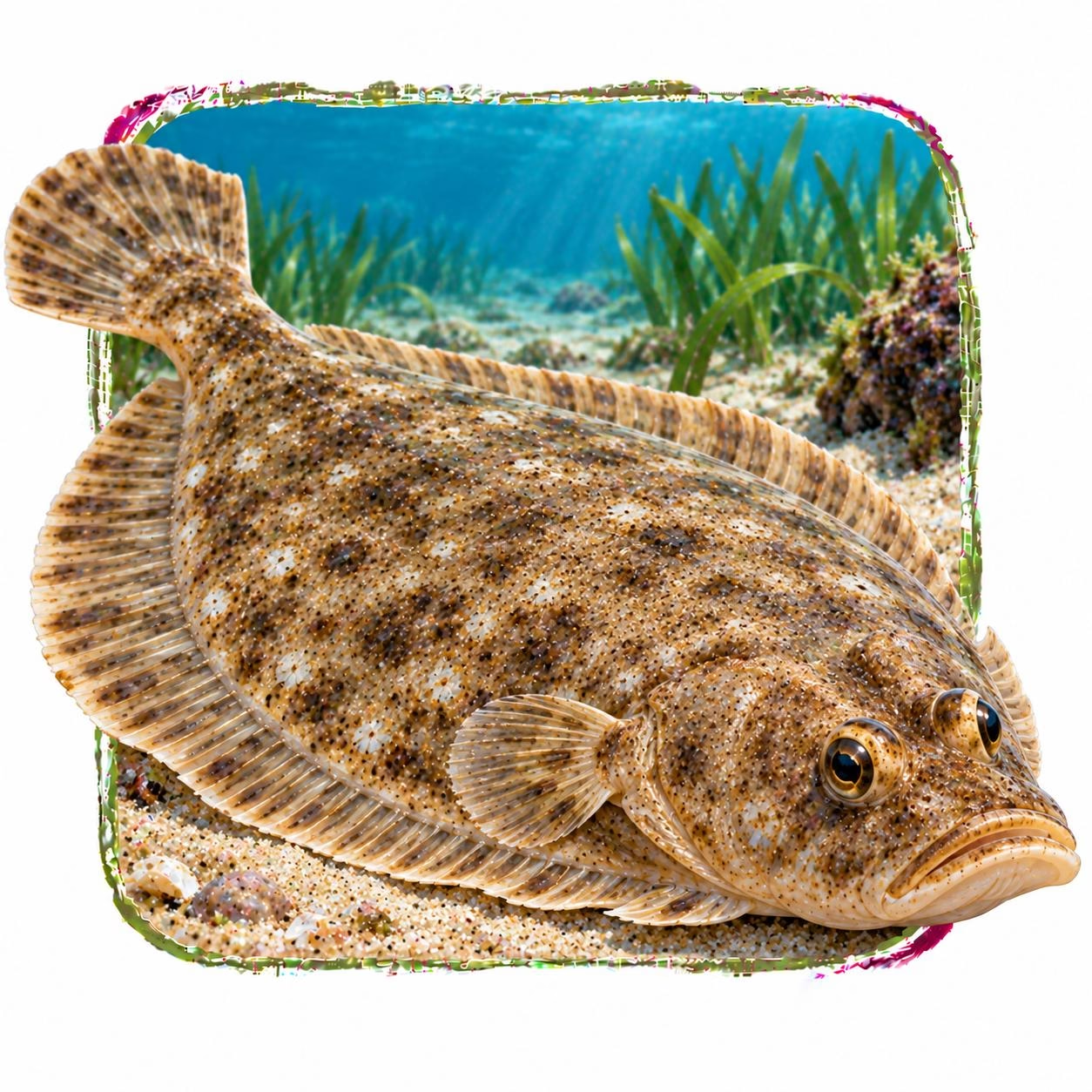
Flounder in its natural Sea Floor habitat