
Frigatebird Facts for Kids
Frigatebirds are large tropical seabirds with huge wings, long forked tails, hooked bills, and amazing gliding skills. Male frigatebirds are famous for inflating bright red throat pouches during courtship displays.
Quick Frigatebird Facts
- Animal Type: Bird
- Group: Seabird and frigatebird
- Known For: Huge wings, forked tails, red throat pouches, gliding, and stealing food from other birds
- Habitat: Tropical and subtropical oceans, islands, coasts, mangroves, nesting colonies, and warm seas worldwide depending on species
- Diet: Fish, squid, flying fish, jellyfish, small sea animals, and food stolen from other seabirds
What You’ll Learn
Discover 10 incredible frigatebird facts for kids about giant wings, soaring, forked tails, ocean life, and red throat pouches, with a quiz, glossary, and activity
These facts are explained simply for kids, parents, teachers, and curious little fact-finders.
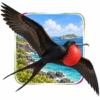
10 Fun Frigatebird Facts for Kids
1. Frigatebirds Are Birds
Frigatebirds are birds with feathers, wings, beaks, eggs, and warm bodies.
Kid Decode: A frigatebird is a sky-sailing seabird with pirate energy.
2. Frigatebirds Are Seabirds
Frigatebirds spend much of life flying over warm oceans and nesting on islands or coasts.
Kid Decode: Their home is part island, part open sky.
3. They Have Huge Wings
Frigatebirds have long narrow wings that help them glide for long periods without much flapping.
Kid Decode: Their wings are ocean-air surfboards.
4. Males Have Red Throat Pouches
Male frigatebirds can inflate a bright red throat pouch to attract females during courtship.
Kid Decode: The pouch looks like a giant red balloon under the beak.
5. They Have Forked Tails
Frigatebirds have long forked tails that help them steer while flying.
Kid Decode: That tail is a feathery sky rudder.
6. Baby Frigatebirds Are Chicks
Baby frigatebirds are called chicks. They hatch in nests and depend on adult birds for food and care.
Kid Decode: A frigatebird chick is a fluffy island cloud with future wings.
7. They Are Famous Food Pirates
Frigatebirds sometimes chase other seabirds and make them drop or spit up food.
Kid Decode: This bird can turn lunch theft into an aerial chase scene.
8. They Avoid Landing on Water
Frigatebirds are not built like swimming seabirds, so they usually snatch food from the surface or from other birds.
Kid Decode: They rule the sky but skip the swimming pool.
9. Frigatebirds Nest in Colonies
Many frigatebirds nest in groups called colonies on islands, trees, shrubs, or mangroves.
Kid Decode: A colony is a noisy island bird neighborhood.
10. Frigatebirds Need Healthy Oceans
Frigatebirds depend on safe islands, healthy fish populations, clean oceans, and protected nesting places.
Kid Decode: Protecting warm seas keeps the sky pirates soaring.
The Weirdest Frigatebird Fact
Male frigatebirds can puff up red throat pouches until they look like bright balloons on a bird’s chest.
Try This Frigatebird Activity
Frigatebird Drawing Activity
Draw a frigatebird gliding over a tropical island. Add huge wings, forked tail, hooked bill, a male with a red throat pouch, chicks in a nest, ocean waves, fish, and clouds.
Quick Frigatebird Quiz
- What animal group are frigatebirds in? Answer: Birds.
- What are baby frigatebirds called? Answer: Chicks.
- What do male frigatebirds inflate during courtship? Answer: A red throat pouch.
- What shape is a frigatebird’s tail? Answer: Forked.
- Why are frigatebirds sometimes called food pirates? Answer: They may steal food from other seabirds.
Mini Glossary
- Bird: A warm-blooded animal with feathers, wings, and a beak.
- Chick: A baby bird.
- Seabird: A bird that lives around oceans, coasts, or open water.
- Gular Pouch: A throat pouch that some birds can inflate or use in feeding or display.
- Colony: A group of animals nesting or living close together.
 Woodcock Facts for Kids
 Trout Facts for Kids
 Velvet Worm Facts for Kids
 Diplodocus Facts for Kids
More Animal Facts for Kids
Visit the full animal facts library or explore a focused animal group.
More Extinct Animal Facts for Kids
Discover dinosaurs, Ice Age giants, prehistoric sea creatures, recently extinct species, and other animals from the past.
Fact check note: Fact checked with Britannica frigatebird resources, Britannica Kids frigatebird resources, and trusted seabird education references.

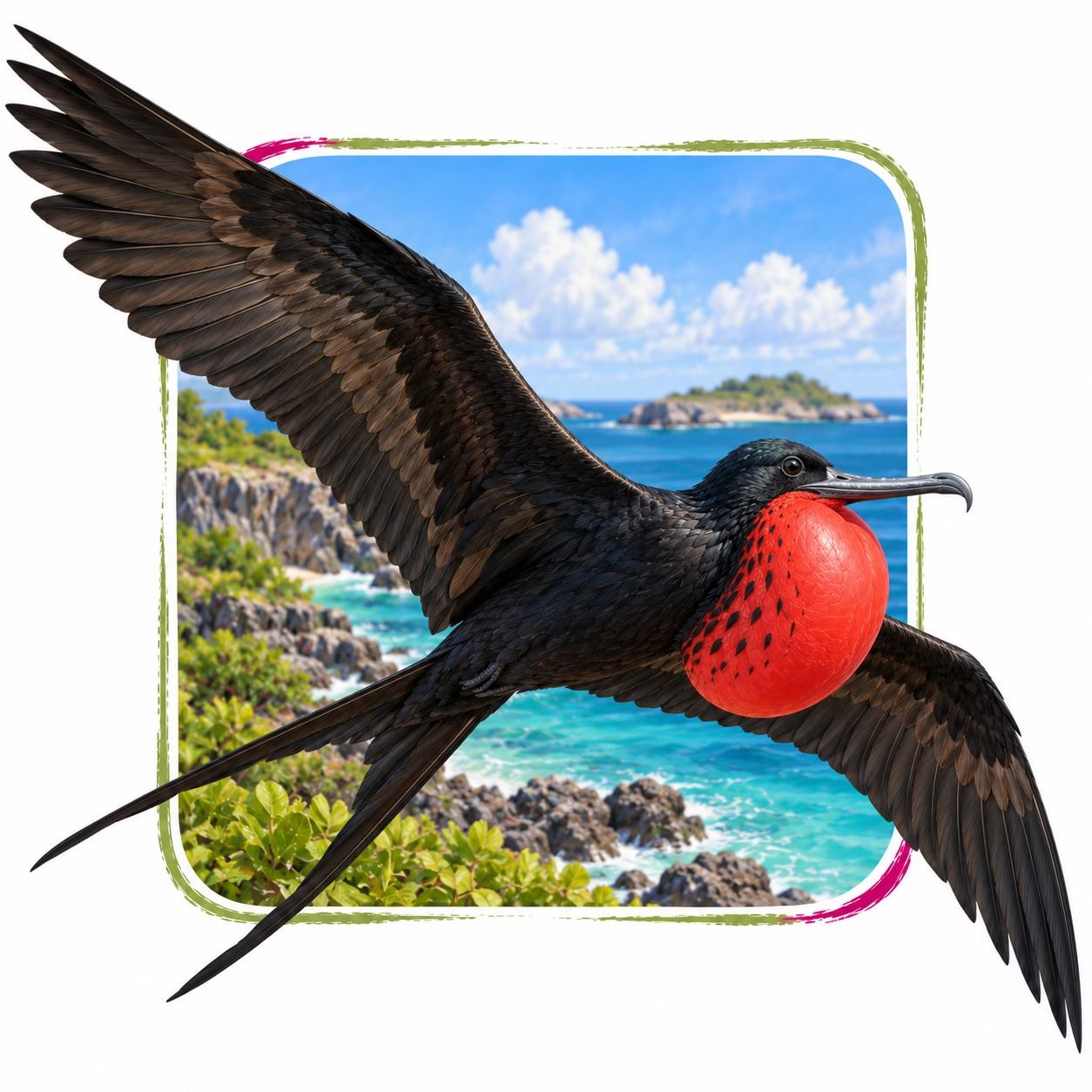
Frigatebird in its natural Coasts habitat