
Fruit Fly Facts for Kids
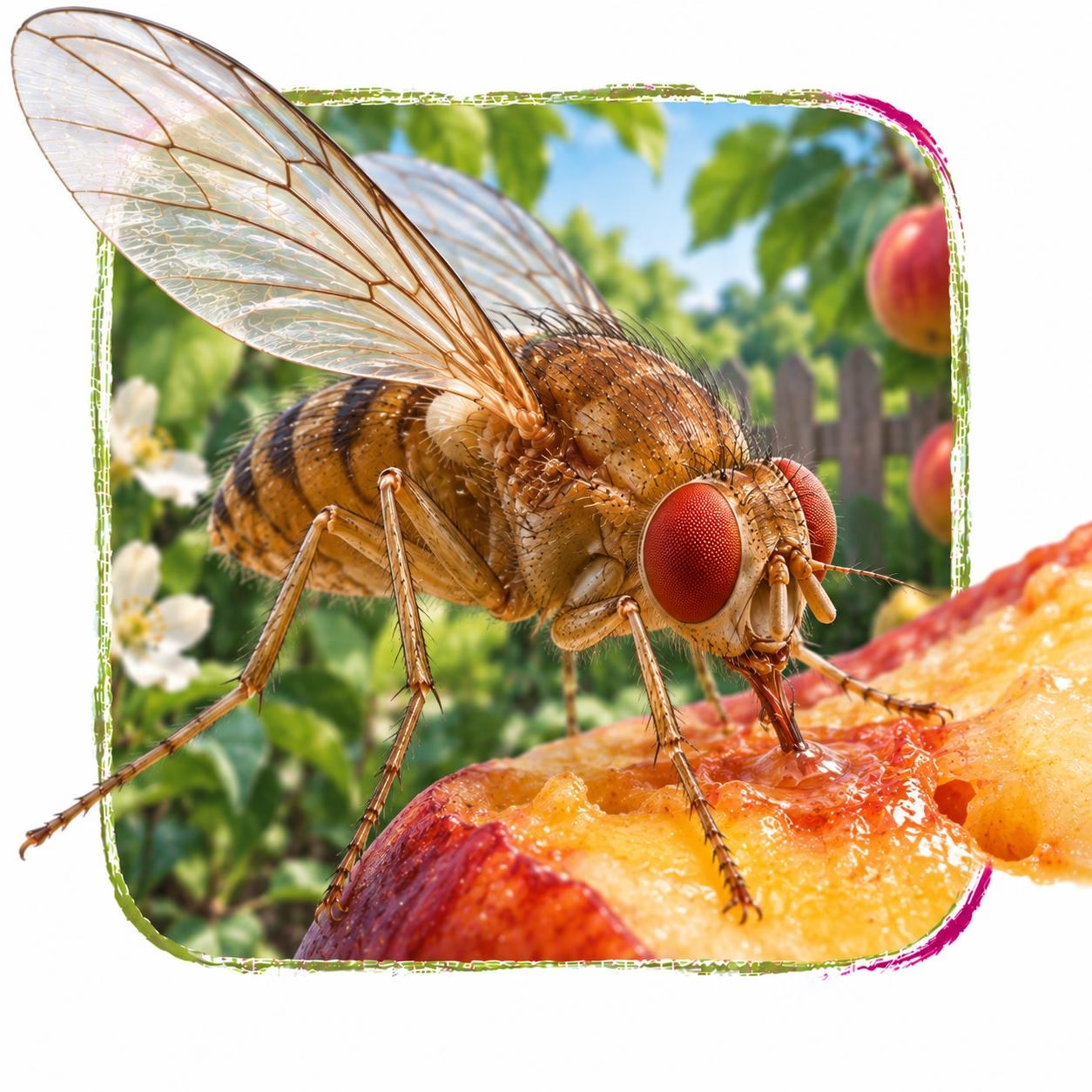
Fruit flies are tiny two-winged insects often found near ripe or fermenting fruit. Some are called vinegar flies, and one species, Drosophila melanogaster, is famous in science because it has helped researchers learn about genes, growth, and inheritance.
Quick Fruit Fly Facts
- Animal Type: Insect
- Group: True fly; small fruit fly or vinegar fly group
- Known For: Tiny size, red eyes in common lab species, fruit-loving larvae, quick life cycle, genetics research, and one pair of wings
- Habitat: Ripe fruit, fermenting fruit, kitchens, gardens, orchards, compost, farms, forest edges, and warm places with soft plant matter
- Diet: Yeasts, microbes, fruit juices, rotting fruit, soft plant matter, nectar, and tiny organic materials depending on species and life stage
What You’ll Learn
Learn 10 tiny fruit fly facts for kids about rapid life cycles, wings, senses, food, and their importance in science, plus a quiz, glossary, and activity
Easy explanations make them perfect for children, families, teachers, and young insect fans.
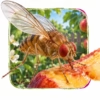
10 Fun Fruit Fly Facts for Kids
1. Fruit Flies Are Insects
Fruit flies are insects with six legs, three body parts, antennae, and wings.
Kid Decode: A fruit fly is a tiny speck with wings and a fruit detector.
2. Fruit Flies Are True Flies
Fruit flies belong to the true fly order, Diptera, so adults have one main pair of wings.
Kid Decode: They are tiny members of the two-winged fly club.
3. Baby Fruit Flies Are Larvae
Fruit fly young are larvae that feed in or near soft fruit or other plant material.
Kid Decode: A fruit fly larva is a mini food tunnel explorer.
4. Fruit Flies Like Ripe Fruit
Many fruit flies are attracted to ripe, damaged, or fermenting fruit.
Kid Decode: To a fruit fly, an old banana can smell like a palace.
5. Fruit Flies Have Complete Metamorphosis
Fruit flies grow from egg to larva to pupa to adult.
Kid Decode: They transform through a tiny insect costume change.
6. Some Fruit Flies Are Vinegar Flies
Small fruit flies in the Drosophila group are often called vinegar flies because they are attracted to fermenting foods.
Kid Decode: They are fruit flies with a sour-snack nickname.
7. Drosophila Helps Science
Drosophila melanogaster has helped scientists study genetics, development, behavior, and heredity.
Kid Decode: This tiny fly became a giant in the science world.
8. Fruit Flies Can Reproduce Quickly
Fruit flies can complete their life cycle quickly in warm conditions.
Kid Decode: That is why a few fruit flies can become a kitchen crowd fast.
9. Many Have Red Eyes
Common lab fruit flies often have bright red eyes, though eye color can vary.
Kid Decode: Those red eyes make the tiny fly look like it brought goggles.
10. Fruit Flies Need Food and Moisture
Fruit flies need soft food sources, moisture, warmth, and safe places for eggs and larvae.
Kid Decode: Clean counters and covered fruit can close the fruit fly buffet.
The Weirdest Fruit Fly Fact
A tiny fruit fly named Drosophila melanogaster helped scientists learn huge lessons about genes and inheritance.
Try This Fruit Fly Activity
Fruit Fly Drawing Activity
Draw a fruit fly life cycle beside a ripe banana. Add eggs, larvae, pupae, tiny adult flies with red eyes, one pair of wings, fruit bubbles, a microscope, genes icon, compost, and a covered fruit bowl.
Quick Fruit Fly Quiz
- What animal group are fruit flies in? Answer: Insects.
- What are baby fruit flies called? Answer: Larvae.
- What fruit condition attracts many fruit flies? Answer: Ripe, damaged, or fermenting fruit.
- What small fruit fly is famous in genetics research? Answer: Drosophila melanogaster.
- What are the four life stages of a fruit fly? Answer: Egg, larva, pupa, and adult.
Mini Glossary
- Insect: An animal with six legs, three body parts, and antennae.
- Larva: A young stage that looks different from the adult.
- Pupa: A stage between larva and adult in complete metamorphosis.
- Genetics: The study of how traits pass from parents to young.
- Fermenting: Changing as microbes break down sugars, often making fruit smell sour or yeasty.
 Stag Beetle Facts for Kids
 Capybara Facts for Kids
 Kudu Facts for Kids
 Pliosaurus Facts for Kids
More Animal Facts for Kids
Visit the full animal facts library or explore a focused animal group.
More Extinct Animal Facts for Kids
Discover dinosaurs, Ice Age giants, prehistoric sea creatures, recently extinct species, and other animals from the past.
Fact check note: Fact checked with Britannica fruit fly resources, Britannica Drosophila melanogaster resources, Britannica fly resources, and trusted insect education references.
Fruit Fly in its natural Gardens habitat