
Garter Snake Facts for Kids
Garter snakes are small to medium snakes famous for long stripes and backyard sightings. They are common in many parts of North America, often live near water or gardens, and help eat worms, slugs, insects, frogs, and other small animals.
Quick Garter Snake Facts
- Animal Type: Reptile
- Group: Colubrid and garter snake group
- Known For: Long body stripes, live birth, neonates, garden visits, swimming, musky defense smell, brumation groups, and quick movement
- Habitat: Gardens, lawns, meadows, forests, wetlands, marsh edges, streams, ponds, farms, parks, rocky areas, and many North American habitats
- Diet: Earthworms, slugs, frogs, tadpoles, salamanders, fish, insects, leeches, small rodents, and other small animals depending on species and habitat
What You’ll Learn
Discover 10 fascinating milk snake facts for kids about colorful bands, constriction, camouflage, diet, and woodland life, plus a quiz, glossary, and activity
Easy explanations make them fun for children, families, teachers, and young animal lovers.
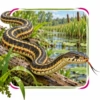
10 Fun Garter Snake Facts for Kids
1. Garter Snakes Are Reptiles
Garter snakes are reptiles, so they have scales, breathe air, and depend on outside warmth.
Kid Decode: A garter snake is a striped garden explorer with a flicking tongue scanner.
2. They Are Common Snakes
Garter snakes are among the most familiar snakes in North America.
Kid Decode: Many people meet them near lawns, ponds, gardens, or sunny paths.
3. Baby Garter Snakes Are Neonates
Newly born baby garter snakes can be called neonates.
Kid Decode: A neonate garter snake is tiny, wiggly, and ready to explore.
4. They Give Birth to Live Young
Unlike many snakes that lay eggs, garter snakes give birth to live young.
Kid Decode: No eggshell exit scene here; the babies arrive already wriggling.
5. They Often Have Stripes
Many garter snakes have long stripes running down the body.
Kid Decode: Those stripes look like racing lanes on a snake.
6. They Can Swim
Garter snakes are good swimmers and may hunt near water.
Kid Decode: A pond edge can be their snack aisle and swimming pool.
7. They Eat Worms and Amphibians
Garter snakes often eat earthworms, frogs, tadpoles, salamanders, slugs, and small fish.
Kid Decode: Their menu is very squishy and splashy.
8. They Use Musk for Defense
If handled or threatened, garter snakes may release a strong smelly musk.
Kid Decode: That stink cloud says, “Please put me down.”
9. They Brumate in Cold Weather
In cold seasons, garter snakes may rest in dens in a state called brumation.
Kid Decode: It is the reptile version of a winter slow-motion mode.
10. They Should Not Be Handled
Wild garter snakes should be watched gently and left alone.
Kid Decode: Even harmless snakes deserve personal bubble space.
The Weirdest Garter Snake Fact
Garter snakes give birth to live babies instead of laying eggs like many other snakes.
Try This Garter Snake Activity
Garter Snake Drawing Activity
Draw a garter snake moving through a garden near a pond. Add long body stripes, flicking tongue, neonates, live-birth label, earthworms, frog, tadpoles, slugs, water ripples, winter den, musk defense cloud, and a “look, do not grab” sign.
Quick Garter Snake Quiz
- What animal group are garter snakes in? Answer: Reptiles.
- What can newly born baby snakes be called? Answer: Neonates.
- Do garter snakes lay eggs or give live birth? Answer: They give live birth.
- What body pattern do many garter snakes have? Answer: Long stripes.
- What smelly defense can garter snakes release? Answer: Musk.
Mini Glossary
- Reptile: An animal group with scales that breathes air and often lays eggs, though some give live birth.
- Neonate: A newly born or newly hatched baby animal.
- Musk: A strong-smelling liquid some animals release for defense.
- Brumation: A cold-weather resting state in reptiles.
- Amphibian: An animal group that includes frogs, toads, salamanders, and newts.
 Leafy Sea Dragon Facts for Kids
 Jellyfish Facts for Kids
 Canary Facts for Kids
 Anchiornis Facts for Kids
More Animal Facts for Kids
Visit the full animal facts library or explore a focused animal group.
More Extinct Animal Facts for Kids
Discover dinosaurs, Ice Age giants, prehistoric sea creatures, recently extinct species, and other animals from the past.
Fact check note: Fact checked with National Park Service garter snake resources, Britannica garter snake resources, Britannica snake references, and trusted North American reptile education sources.

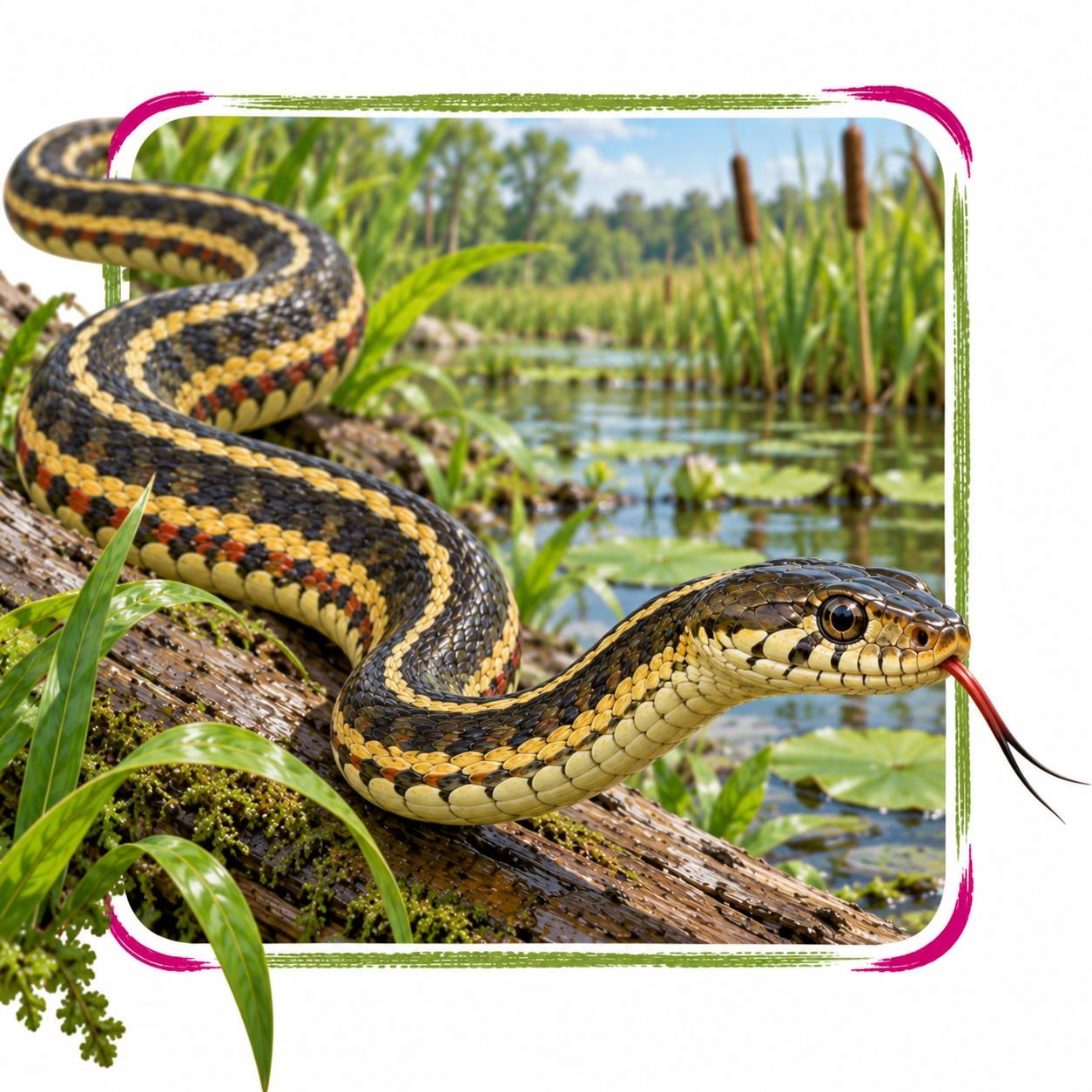
Garter Snake in its natural Wetlands habitat