
Goose Facts for Kids
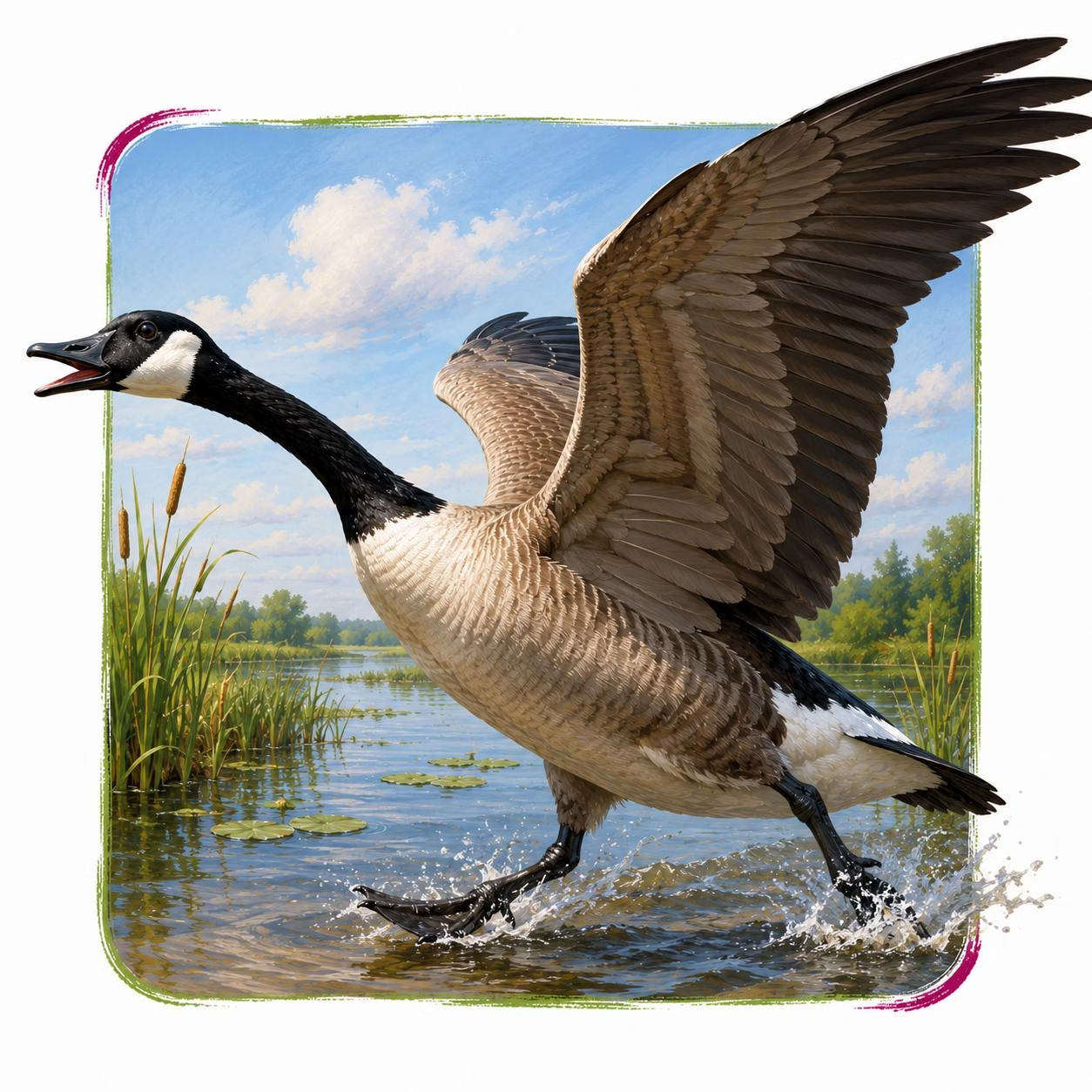
Geese are large waterbirds related to ducks and swans. They are known for loud honks, long necks, webbed feet, strong flying, family groups, and traveling in flocks across lakes, fields, wetlands, and skies.
Quick Goose Facts
- Animal Type: Bird
- Group: Waterfowl
- Known For: Honking, migration, and strong family groups
- Habitat: Lakes, rivers, wetlands, marshes, grasslands, farms, parks, and coasts
- Diet: Grass, seeds, grains, roots, aquatic plants, insects, and small animals
What You’ll Learn
Discover 10 fascinating goose facts for kids about migration, honking, flying formations, goslings, and family groups, with a quiz, glossary, and goose activity
These facts are easy for kids, parents, teachers, and curious little learners to enjoy.
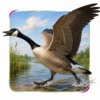
10 Fun Goose Facts for Kids
1. Geese Are Waterfowl
Geese belong to the waterfowl family, along with ducks and swans. They live near water but often feed on land too.
Kid Decode: A goose is a big honking member of the pond family.
2. Geese Are Famous for Honking
Geese make loud honking calls to communicate with each other, especially while flying or guarding a group.
Kid Decode: A goose honk is the trumpet of the wetland.
3. Baby Geese Are Called Goslings
Baby geese are called goslings. Goslings are fluffy and often follow their parents soon after hatching.
Kid Decode: A gosling is a tiny yellow-gray fluff boat.
4. Geese Have Webbed Feet
Webbed feet help geese swim through water and walk across muddy places near wetlands.
Kid Decode: Goose feet are muddy little paddles.
5. Geese Often Fly in V Shapes
Many geese migrate in V-shaped formations. This can help birds save energy while traveling long distances.
Kid Decode: A goose V is a sky arrow made of feathers.
6. A Group of Geese Is a Gaggle
On the ground or water, a group of geese is often called a gaggle. In flight, it may be called a skein.
Kid Decode: A gaggle is a noisy goose meeting.
7. Geese Build Ground Nests
Many geese make simple nests on the ground using plants, down feathers, and nearby materials.
Kid Decode: A goose nest is a soft grass bowl.
8. Geese Can Be Protective
Parent geese may guard eggs and goslings strongly. It is best to watch wild geese from a respectful distance.
Kid Decode: Geese take family security very seriously.
9. Geese Eat Lots of Plants
Geese often graze on grass and eat seeds, grains, roots, and aquatic plants. Some also eat insects or small animals.
Kid Decode: Geese are lawn nibblers with wings.
10. Geese Help Spread Seeds
As geese move and feed, they can help spread seeds through wetlands, fields, and grassy places.
Kid Decode: Geese are flying gardeners with loud voices.
The Weirdest Goose Fact
Geese often fly in V-shaped formations, turning the sky into a giant moving arrow.
Try This Goose Activity
Goose Drawing Activity
Draw a goose standing beside a lake. Add a long neck, webbed feet, fluffy goslings, reeds, a grass nest, ripples, and a V-shaped flock in the sky.
Quick Goose Quiz
- What are baby geese called? Answer: Goslings.
- What sound are geese famous for? Answer: Honking.
- What is a group of geese often called on the ground? Answer: A gaggle.
- What kind of feet help geese swim? Answer: Webbed feet.
- What shape do many geese fly in during migration? Answer: A V shape.
Mini Glossary
- Gosling: A baby goose.
- Gaggle: A group of geese on land or water.
- Waterfowl: Water birds such as geese, ducks, and swans.
- Migration: Seasonal movement from one place to another.
- Webbed Feet: Feet with skin between the toes for swimming.
 Nuthatch Facts for Kids
 Nautilus Facts for Kids
 Falcon Facts for Kids
 Giganotosaurus Facts for Kids
More Animal Facts for Kids
Visit the full animal facts library or explore a focused animal group.
More Extinct Animal Facts for Kids
Discover dinosaurs, Ice Age giants, prehistoric sea creatures, recently extinct species, and other animals from the past.
Fact check note: Fact checked with Britannica Kids goose resources, Britannica goose resources, Britannica waterfowl resources, and trusted bird education references.

Goose in its natural Wetlands habitat