
Grasshopper Facts for Kids
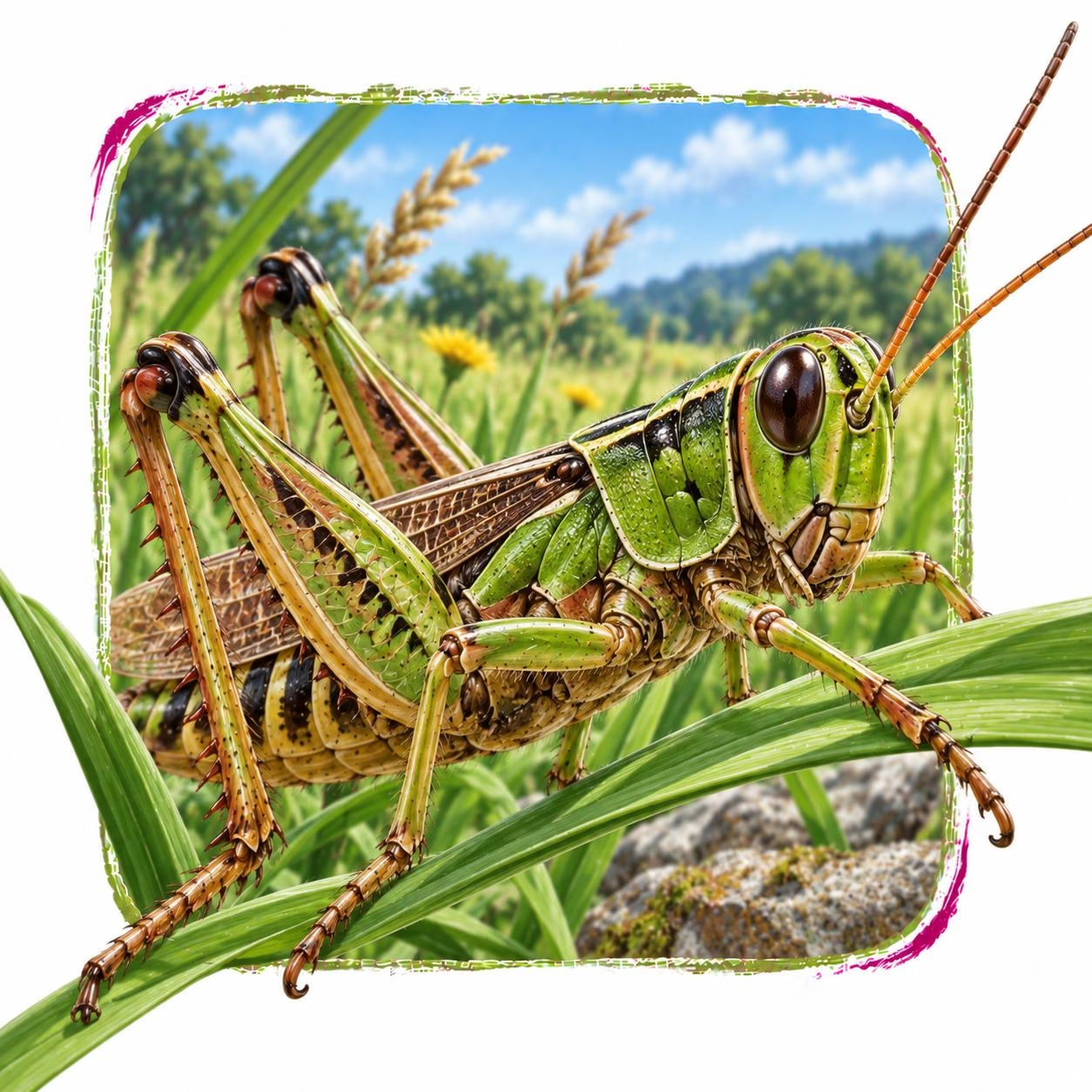
Grasshoppers are jumping insects found in grasslands, forests, gardens, farms, and many other habitats. They are known for powerful hind legs, plant-eating habits, chirping sounds, and young nymphs that look like smaller wingless adults.
Quick Grasshopper Facts
- Animal Type: Insect
- Group: Orthopteran insect and short-horned grasshopper group
- Known For: Jumping legs, plant eating, short antennae, chirping, egg pods, camouflage, and locust relatives
- Habitat: Grasslands, meadows, forests, farms, gardens, deserts, fields, mountain areas, shrubs, and low plants depending on species
- Diet: Grasses, leaves, crops, flowers, stems, seeds, and many kinds of plant material depending on species
What You’ll Learn
Discover 10 noisy cicada facts for kids about loud songs, underground nymphs, molting, wings, and remarkable life cycles, with a quiz, glossary, and activity
These simple facts are written for kids, parents, teachers, and curious young animal lovers.
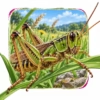
10 Fun Grasshopper Facts for Kids
1. Grasshoppers Are Insects
Grasshoppers are insects with six legs, three body parts, antennae, and wings in many adults.
Kid Decode: A grasshopper is a tiny green jumper with spring-loaded legs.
2. Grasshoppers Have Powerful Hind Legs
Grasshoppers have large back legs that help them leap away from danger or move through grass.
Kid Decode: Those legs are built like little launch ramps.
3. Baby Grasshoppers Are Nymphs
Young grasshoppers are called nymphs and look like smaller adults without full wings.
Kid Decode: A grasshopper nymph is a mini hopper in training.
4. Grasshoppers Do Not Have a Pupa Stage
Grasshoppers grow by incomplete metamorphosis, so they molt from nymph to adult without a pupa stage.
Kid Decode: No cocoon costume change here, just molts and growth.
5. Grasshoppers Eat Plants
Most grasshoppers are herbivores that feed on grasses and other plants.
Kid Decode: Their meals are mostly leafy green crunch.
6. Grasshoppers Lay Egg Pods
Many grasshoppers lay eggs in soil inside protective egg pods.
Kid Decode: The soil becomes a hidden nursery.
7. Some Grasshoppers Make Sounds
Male grasshoppers can make buzzing or chirping sounds by rubbing body parts together.
Kid Decode: Their music is a tiny leg-and-wing fiddle.
8. Grasshoppers Hear With Body Organs
Grasshoppers can hear using tympanal organs on the abdomen.
Kid Decode: Their “ears” are not where kids might expect them.
9. Grasshoppers Use Camouflage
Many grasshoppers are green, brown, or sandy colored to blend with plants or ground.
Kid Decode: They can vanish into grass like living leaf crumbs.
10. Locusts Are Special Grasshoppers
Locusts are grasshoppers that can form large swarms under certain conditions.
Kid Decode: A locust is a grasshopper with crowd-mode turned on.
The Weirdest Grasshopper Fact
A grasshopper’s big back legs can launch it many times its body length.
Try This Grasshopper Activity
Grasshopper Drawing Activity
Draw a grasshopper jumping through a meadow. Add powerful hind legs, short antennae, green camouflage, nymphs, egg pods in soil, grass blades, leaves with bite marks, chirping sound lines, and a bird watching from a fence.
Quick Grasshopper Quiz
- What animal group are grasshoppers in? Answer: Insects.
- What are baby grasshoppers called? Answer: Nymphs.
- What body parts help grasshoppers jump? Answer: Large hind legs.
- Do grasshoppers have a pupa stage? Answer: No.
- What do most grasshoppers eat? Answer: Plants.
Mini Glossary
- Insect: An animal with six legs, three body parts, and antennae.
- Nymph: A young insect stage that looks partly like the adult but has no full wings yet.
- Herbivore: An animal that eats plants.
- Metamorphosis: A body change as an animal grows.
- Locust: A type of grasshopper that can form large swarms.
 Honey Bee Facts for Kids
 Hercules Beetle Facts for Kids
 Bengal Tiger Facts for Kids
 Argentinosaurus Facts for Kids
More Animal Facts for Kids
Visit the full animal facts library or explore a focused animal group.
More Extinct Animal Facts for Kids
Discover dinosaurs, Ice Age giants, prehistoric sea creatures, recently extinct species, and other animals from the past.
Fact check note: Fact checked with Britannica grasshopper resources, Britannica orthopteran resources, and trusted insect education references.

Grasshopper in its natural Grasslands habitat