
Green Iguana Facts for Kids
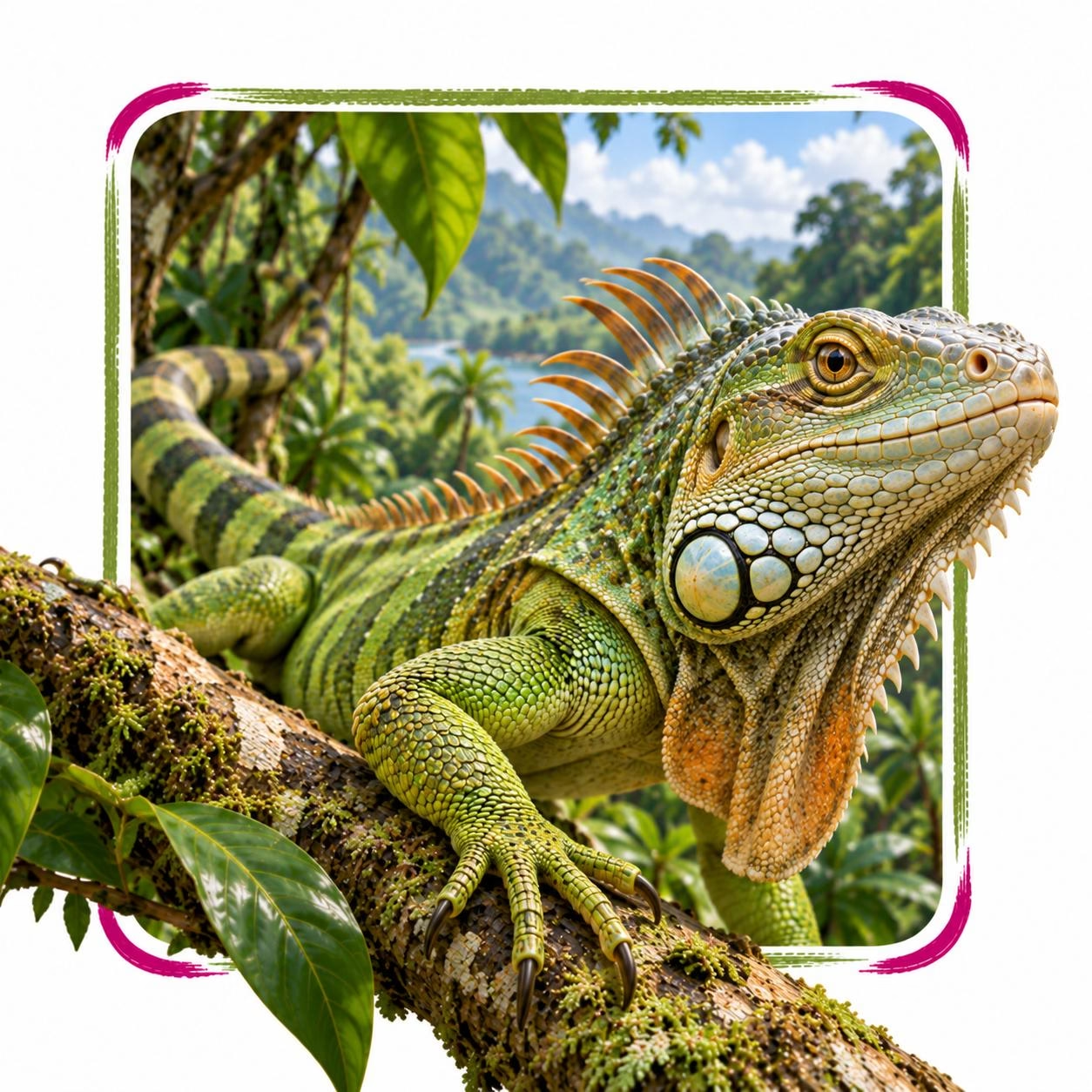
Green iguanas are large tree-climbing lizards from tropical parts of Central and South America. They eat mostly leaves, flowers, and fruit, use long tails for balance and defense, and often rest high in trees near water.
Quick Green Iguana Facts
- Animal Type: Reptile
- Group: Iguana and large arboreal lizard
- Known For: Large size, green body, dewlap, spines, long tail, tail whip defense, eggs, hatchlings, herbivore diet, and tree climbing
- Habitat: Tropical rainforests, river forests, mangroves, coastal forests, tree canopies, forest edges, and warm habitats near water in Central and South America
- Diet: Mostly leaves, flowers, fruits, buds, tender shoots, and other plant foods, with some young iguanas occasionally eating small animal foods
What You’ll Learn
Learn 10 colorful chinese water dragon facts for kids about long tails, swimming, climbing, crests, and tropical forests, with a quiz, glossary, and activity
These simple facts are made for kids, parents, teachers, and curious young minds.

10 Fun Green Iguana Facts for Kids
1. Green Iguanas Are Reptiles
Green iguanas are reptiles, so they have scales, breathe air, and depend on outside warmth.
Kid Decode: A green iguana is a leafy tree lizard with a long balancing tail.
2. They Are Lizards
Green iguanas belong to the lizard group and have claws, scales, eyelids, legs, and long tails.
Kid Decode: They are big branch-climbers in the reptile neighborhood.
3. Baby Green Iguanas Are Hatchlings
Baby green iguanas are called hatchlings after they come out of eggs.
Kid Decode: A hatchling iguana is a tiny green climber with a giant future.
4. They Lay Eggs
Female green iguanas lay eggs in burrows or nests dug in soil or sand.
Kid Decode: The eggs wait underground like hidden reptile marbles.
5. They Are Mostly Herbivores
Green iguanas eat mostly plant foods such as leaves, flowers, and fruit.
Kid Decode: Their main menu is rainforest salad.
6. They Have a Dewlap
The hanging flap of skin under the throat is called a dewlap and can be used in displays.
Kid Decode: The dewlap is like a lizard flag under the chin.
7. They Have a Parietal Eye
Green iguanas have a light-sensing “third eye” on top of the head called a parietal eye.
Kid Decode: It does not see pictures, but it can help notice light and shadows.
8. They Are Excellent Climbers
Green iguanas use sharp claws to climb trees and rest on branches.
Kid Decode: The tree canopy is their leafy upstairs apartment.
9. They Can Use Tail Whips
Green iguanas can defend themselves with quick tail whips if threatened.
Kid Decode: The tail is not just decoration; it is a long warning rope.
10. They Can Drop Into Water
Green iguanas near rivers may jump or drop into water to escape danger and swim away.
Kid Decode: That is a very dramatic tree-to-river exit.
The Weirdest Green Iguana Fact
A green iguana has a light-sensing parietal eye on top of its head, almost like a tiny shadow alarm.
Try This Green Iguana Activity
Green Iguana Drawing Activity
Draw a green iguana resting on a rainforest branch above a river. Add spines, dewlap, long tail, tail-whip motion lines, hatchlings, eggs in a burrow, leafy food, flowers, fruit, parietal eye label, claws, and splash below.
Quick Green Iguana Quiz
- What animal group are green iguanas in? Answer: Reptiles.
- What are baby green iguanas called? Answer: Hatchlings.
- What do green iguanas mostly eat? Answer: Leaves, flowers, fruits, and other plant foods.
- What is the flap of skin under the throat called? Answer: A dewlap.
- What can green iguanas use for defense? Answer: Tail whips.
Mini Glossary
- Reptile: An animal group with scales that breathes air and often lays eggs.
- Hatchling: A newly hatched baby animal.
- Herbivore: An animal that mostly eats plants.
- Dewlap: A loose flap of skin under the throat used in display or communication.
- Parietal Eye: A light-sensing spot on top of the head in some reptiles.
 Weddell Seal Facts for Kids
 Deer Facts for Kids
 Fin Whale Facts for Kids
 Titanichthys Facts for Kids
More Animal Facts for Kids
Visit the full animal facts library or explore a focused animal group.
More Extinct Animal Facts for Kids
Discover dinosaurs, Ice Age giants, prehistoric sea creatures, recently extinct species, and other animals from the past.
Fact check note: Fact checked with San Diego Zoo iguana resources, San Diego Zoo Wildlife Explorers iguana resources, and trusted tropical lizard education references.

Green Iguana in its natural Forests habitat