
Guanaco Facts for Kids
The Guanaco, Lama guanicoe, is a wild South American camelid and the largest native herbivore across many dry landscapes of Patagonia and the Andes. It lives from sea level to high mountains in Peru, Bolivia, Chile, Argentina, and a small part of Paraguay. Guanacos have long necks, pointed ears, cinnamon-brown coats, gray faces, white bellies, padded two-toed feet, and no hump. They graze and browse tough plants, live in flexible family and bachelor groups, and are closely connected to the ancestry of the domestic llama.
Quick Guanaco Facts
- Animal Type: Mammal
- Group: South American camelid in the genus Lama and family Camelidae
- Known For: Cinnamon coats, padded feet, split upper lips, three-chambered foreguts, territorial family groups, accurate spitting, communal dung piles, and swift escape
- Habitat: Andean highlands, Patagonian steppe, desert, shrubland, grassland, savanna, dry forest, and windswept coast
- Diet: Grasses, shrubs, herbs, leaves, buds, lichens, fungi, cacti, flowers, and other vegetation
What You’ll Learn
Learn 10 graceful guanaco facts for kids about long necks, soft coats, herd life, mountain habitats, and camel relatives, plus a quiz, glossary, and activity
Simple explanations make them fun for children, families, teachers, and young animal fans.

10 Fun Guanaco Facts for Kids
1. It Is a Wild South American Camelid
Guanacos share the camel family with camels, llamas, alpacas, and Vicuñas. They have no hump and are adapted to open South American landscapes rather than African or Asian deserts.
Kid Decode: The camel family planted one hump-free branch on the far side of the world.
2. The Domestic Llama Came From Guanaco Ancestry
Genetic and archaeological evidence links llamas mainly to domesticated Guanaco populations. Later mixing among domestic camelids complicates the family history, but the Guanaco remains the key wild ancestor.
Kid Decode: A wild cinnamon runner eventually became the pack-carrying llama beside Andean communities.
3. Padded Feet Protect Fragile Ground
Each foot has two toes with broad soft pads and small nails. The pads spread weight over rock, sand, snow, and thin soils while causing less damage than hard hooves.
Kid Decode: Four quiet cushions carry the herd across landscapes that crumble beneath heavier feet.
4. A Split Lip Selects Tough Plants
The divided, mobile upper lip grips grasses, shrubs, herbs, lichens, cacti, and flowers. Guanacos graze and browse, switching foods as seasons and habitats change.
Kid Decode: Two flexible lip halves operate like fingers choosing one thorny mouthful at a time.
5. Three Stomach Chambers Ferment Food
Microbes in a three-part foregut break down fibrous plants before the intestine. Guanacos regurgitate and rechew food, but their digestive anatomy evolved differently from the four-chambered stomach of cattle.
Kid Decode: A hidden microbial kitchen extracts fuel from plants that look almost too dry to eat.
6. Family Groups and Bachelor Herds Coexist
A territorial male may defend several females and their young, while nonbreeding males gather in bachelor herds and other adults live alone. Group structure changes with season, habitat, density, and migration.
Kid Decode: The same plain contains family teams, teenage clubs, and solitary wandering adults.
7. Spit and Dung Carry Messages
Guanacos spit during disputes and use calls, ears, tails, posture, and scent to communicate. Shared dung piles help mark territories and may carry information among many visitors.
Kid Decode: One social network uses laughter-like alarms, flying stomach contents, and a communal bathroom.
8. A Baby Is Called a Chulengo
After roughly eleven to twelve months of pregnancy, a female usually gives birth to one chulengo. The newborn can stand within minutes and must follow the group quickly in exposed country.
Kid Decode: The long-legged baby receives almost no crawling stage before its first cross-country lesson.
9. Pumas Test the Herd’s Defenses
Pumas are the main natural predator in much of the range, especially for young animals. Alert adults give loud alarm calls, flee rapidly, and may circle or confront smaller predators together.
Kid Decode: One warning cry transforms grazing animals into a cinnamon-colored river of running legs.
10. Some Populations Make Huge Seasonal Journeys
In Argentina’s Payunia, tens of thousands of Guanacos move between summer and winter ranges, with recorded journeys up to about 75 kilometres. Fences, roads, energy projects, and habitat loss can block these routes.
Kid Decode: A migrating herd turns the steppe into a moving ribbon that needs an unbroken path.
The Weirdest Guanaco Fact
Guanacos create shared dung piles used for communication and territory marking, turning one carefully chosen patch of ground into a long-running social noticeboard.
Try This Guanaco Activity
Guanaco Steppe-and-Migration Activity
Draw Guanacos in a windy Patagonian and Andean landscape. Add cinnamon fur, gray face, white belly, long neck, pointed ears, split upper lip, padded two-toed feet, a three-chambered foregut, grazing and browsing, a territorial male with females and chulengos, a bachelor herd, spitting and alarm calls, a communal dung pile, a puma at a safe distance, a newborn standing quickly, and a migration route interrupted by fences and roads but restored by wildlife crossings.
Quick Guanaco Quiz
- What is the Guanaco’s scientific name? Answer: Lama guanicoe.
- Does it have a hump? Answer: No.
- What is a young Guanaco called? Answer: A chulengo.
- Which domestic animal descends mainly from Guanaco ancestry? Answer: The llama.
- What is the Guanaco’s global IUCN category? Answer: Least Concern, although many regional populations are threatened or fragmented.
Mini Glossary
- Camelid: A member of the camel family, including camels, llamas, alpacas, Guanacos, and Vicuñas.
- Foregut Fermentation: Microbial digestion of plants in stomach chambers before the intestine.
- Chulengo: A young Guanaco.
- Bachelor Herd: A social group formed mainly by young or nonbreeding males.
- Migration Corridor: Connected habitat used during seasonal movement.

 Proboscis Monkey Facts for Kids
 Chevrotain Facts for Kids
 Butterflyfish Facts for Kids
 Eotriceratops Facts for Kids
More Animal Facts for Kids
Visit the full animal facts library or explore a focused animal group.
More Extinct Animal Facts for Kids
Discover dinosaurs, Ice Age giants, prehistoric sea creatures, recently extinct species, and other animals from the past.
Fact check note: Fact checked with the Mammal Diversity Database’s Lama guanicoe taxonomy, Animal Diversity Web’s Guanaco account, Wildlife Conservation Society Argentina’s current migration and conservation overview, and camelid research on llama ancestry, padded feet, split lips, foregut fermentation, social systems, spitting, dung piles, reproduction, chulengo development, puma predation, seasonal migration, and regional population decline.

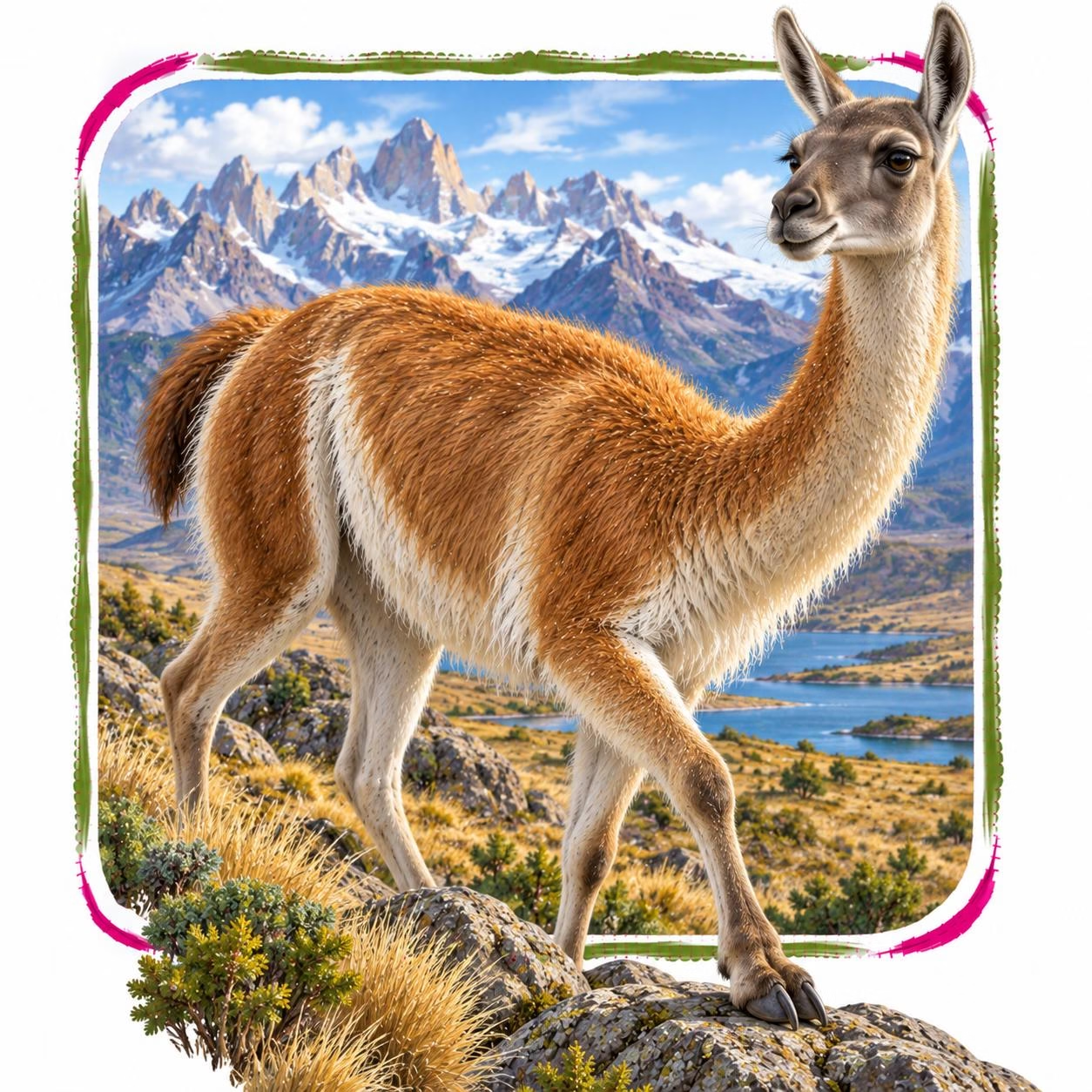
Guanaco in its natural Andean highlands, Patagonian steppe, deserts, shrublands, grasslands, savannas, dry forest, wet temperate forest edges, and windswept coasts from Peru and Bolivia through Chile and Argentina to Tierra del Fuego habitat