
Harlequin Duck Facts for Kids
Harlequin ducks are striking sea ducks that love wild water. They breed along fast mountain rivers and streams, then spend winter along rocky coasts where waves crash, foam flies, and food hides among rocks.
Quick Harlequin Duck Facts
- Animal Type: Bird
- Group: Duck, sea duck, and waterfowl
- Known For: Colorful males, whitewater rivers, rocky coasts, diving, ducklings, rough-water life, and strong swimming
- Habitat: Mountain streams, whitewater rivers, forested waterways, rocky coastlines, surf zones, islands, tidal areas, and cold northern waters
- Diet: Aquatic insects, midges, fish eggs, small fish, crabs, amphipods, barnacles, mussels, limpets, snails, and other small water animals
What You’ll Learn
Discover 10 dazzling mandarin duck facts for kids about colorful feathers, tree nests, swimming, diet, and woodland wetlands, plus a quiz, glossary, and activity
Easy explanations make them great for children, families, teachers, and young nature fans.
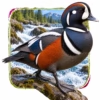
10 Fun Harlequin Duck Facts for Kids
1. Harlequin Ducks Are Birds
Harlequin ducks are birds, so they have feathers, beaks, wings, and lay eggs.
Kid Decode: A harlequin duck is a little rough-water acrobat in fancy feathers.
2. They Are Sea Ducks
Harlequin ducks are sea ducks, meaning they spend much of the year in coastal marine water.
Kid Decode: They are ducks with a taste for waves and rocks.
3. Baby Harlequin Ducks Are Ducklings
Baby harlequin ducks are called ducklings and grow near fast freshwater streams.
Kid Decode: A duckling begins life in a river that already has adventure music.
4. Males Are Colorful
Male harlequin ducks have blue-gray, chestnut, black, and bright white markings.
Kid Decode: The male looks dressed for a tiny waterbird carnival.
5. Females Are Gray-Brown
Female harlequin ducks are grayish brown with pale face spots.
Kid Decode: Her softer colors help her hide near rocky river edges.
6. They Breed on Whitewater Rivers
Harlequin ducks nest near fast mountain streams and rivers.
Kid Decode: Their nursery comes with rushing water sound effects.
7. They Winter on Rocky Coasts
In winter, many harlequin ducks live along wave-splashed rocky shores.
Kid Decode: They are not afraid of splashy weather drama.
8. They Dive for Food
Harlequin ducks dive underwater to catch insects, crustaceans, mollusks, and small fish.
Kid Decode: Their snack shelf is hidden under chilly water.
9. Rough Water Can Be Hard on Them
Harlequin ducks live in fast and rocky places, and many adults show signs of bumps or breaks from rough-water life.
Kid Decode: This duck chooses the obstacle course version of waterbird living.
10. They Need Clean Rivers and Coasts
Harlequin ducks depend on healthy streams, rocky shores, clean water, and safe nesting places.
Kid Decode: Protecting wild waterways helps the wave-riding ducks survive.
The Weirdest Harlequin Duck Fact
Harlequin ducks raise young beside rushing whitewater rivers, then spend winter along rough rocky coasts.
Try This Harlequin Duck Activity
Harlequin Duck Drawing Activity
Draw a harlequin duck on a rushing mountain stream. Add colorful male markings, gray-brown female, ducklings, whitewater foam, rocks, diving bubbles, aquatic insects, mussels, forest trees, and a rocky winter coast inset.
Quick Harlequin Duck Quiz
- What animal group are harlequin ducks in? Answer: Birds.
- What are baby harlequin ducks called? Answer: Ducklings.
- Where do harlequin ducks breed? Answer: Along fast whitewater rivers and streams.
- Where do many spend winter? Answer: On rocky coasts.
- How do harlequin ducks catch much of their food? Answer: By diving.
Mini Glossary
- Bird: An animal with feathers, a beak, and wings.
- Duckling: A baby duck.
- Sea Duck: A duck that spends much of life in coastal or marine water.
- Whitewater: Fast, bubbly water in rivers or streams.
- Mollusk: A soft-bodied animal group that includes mussels, snails, and clams.
 Freshwater Eel Facts for Kids
 Gray Whale Facts for Kids
 Giant Panda Facts for Kids
 Nuralagus Facts for Kids
More Animal Facts for Kids
Visit the full animal facts library or explore a focused animal group.
More Extinct Animal Facts for Kids
Discover dinosaurs, Ice Age giants, prehistoric sea creatures, recently extinct species, and other animals from the past.
Fact check note: Fact checked with Cornell Lab harlequin duck resources, Audubon sea duck resources, and trusted waterfowl education references.

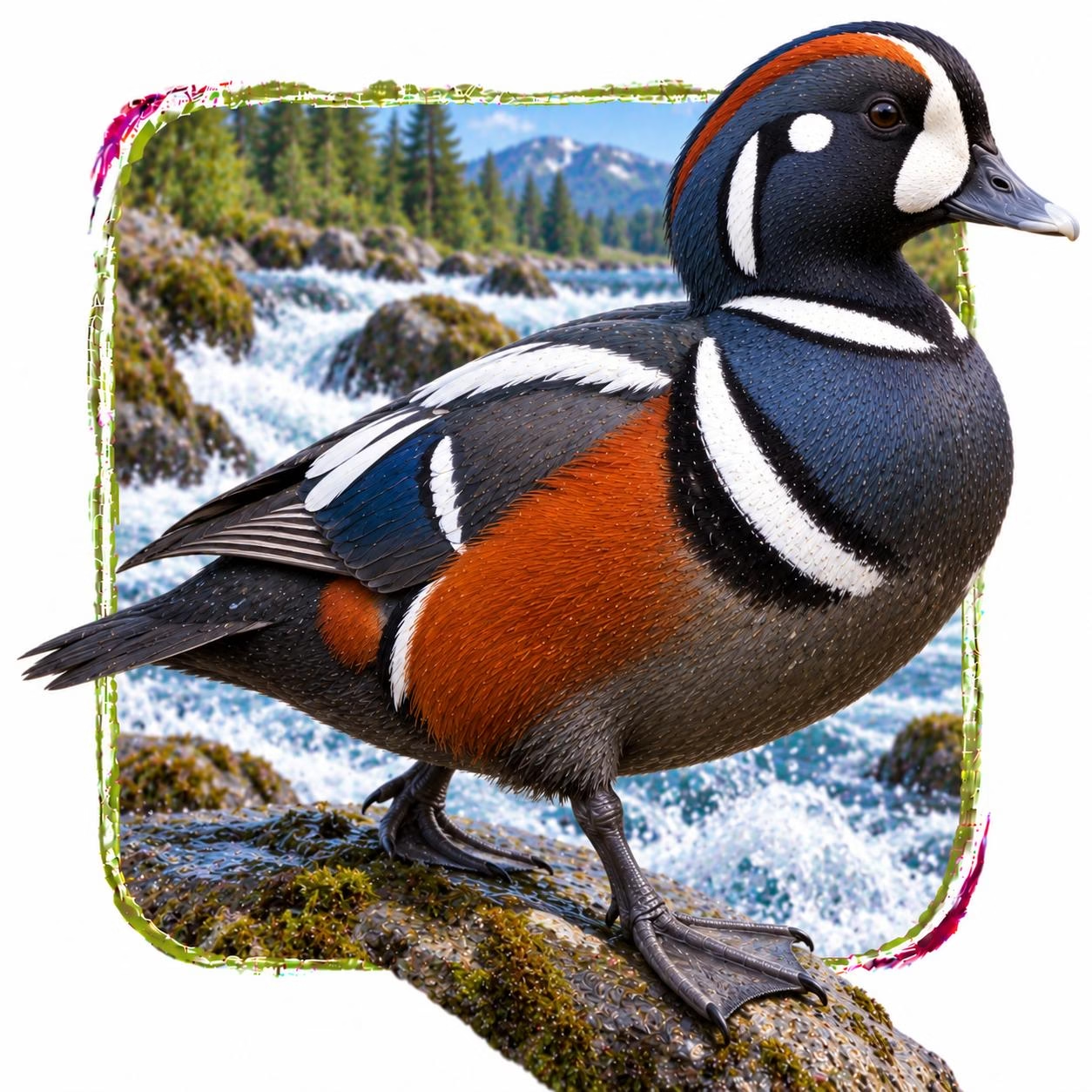
Harlequin Duck in its natural Rivers habitat