
Hoopoe Facts for Kids
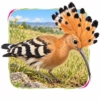
Hoopoes are striking birds with fan-like crests, long downcurved bills, pinkish-brown bodies, and bold black-and-white wings. They use their bills to probe soil and grass for insects, larvae, worms, and other small invertebrates.
Quick Hoopoe Facts
- Animal Type: Bird
- Group: Hoopoe family and coraciiform bird
- Known For: Fan-shaped crest, long curved bill, black-and-white wings, probing for insects, and hoop-hoop calls
- Habitat: Open woodlands, savannas, orchards, grasslands, farms, gardens, semi-deserts, forest edges, and warm habitats across parts of Europe, Africa, and Asia
- Diet: Insects, beetles, ants, grubs, larvae, worms, spiders, snails, and other small invertebrates
What You’ll Learn
Explore 10 striking hoopoe facts for kids about crown feathers, long bills, insect hunting, calls, and nesting, plus a quiz, glossary, and activity
Easy explanations make them fun for children, families, teachers, and young nature fans.
10 Fun Hoopoe Facts for Kids
1. Hoopoes Are Birds
Hoopoes are birds with feathers, wings, beaks, and eggs.
Kid Decode: A hoopoe is a crested bird with a crown that pops open.
2. Hoopoes Have Crests
Hoopoes can raise a fan-shaped crest on the head, especially when alert or excited.
Kid Decode: The crest looks like a tiny feather umbrella.
3. Baby Hoopoes Are Chicks
Baby hoopoes are called chicks and hatch from eggs in hidden nest holes.
Kid Decode: A hoopoe chick starts life in a cozy little wall or tree-hole room.
4. Hoopoes Have Long Curved Bills
Hoopoes use long downcurved bills to probe into soil, grass, and cracks.
Kid Decode: Their bill works like a tiny bug-finding probe.
5. Hoopoes Eat Insects
Hoopoes feed on insects, larvae, ants, beetles, grubs, and worms.
Kid Decode: Their menu is mostly crunchy ground snacks.
6. Hoopoes Have Striped Wings
Hoopoes have bold black-and-white wings and tails that show clearly in flight.
Kid Decode: When they fly, their wings flash like zebra stripes in the sky.
7. Hoopoes Make Hoop-Hoop Calls
The hoopoe gets its name from its soft repeated hoop-hoop call.
Kid Decode: This bird practically sings its own name.
8. Hoopoes Nest in Holes
Hoopoes often nest in tree holes, wall holes, rock crevices, or similar sheltered spaces.
Kid Decode: A small hidden hole becomes a bird nursery.
9. Hoopoe Families Have Smelly Defense
Hoopoe chicks and nesting females can produce a strong-smelling fluid that may help discourage predators.
Kid Decode: The nest has its own “please stay away” smell shield.
10. Hoopoes Need Open Habitats
Hoopoes need safe nest holes, open feeding areas, insects, and healthy grass or woodland edges.
Kid Decode: Protecting open habitats keeps the crested bug hunters busy.
The Weirdest Hoopoe Fact
A hoopoe can raise its crest like a feather fan, then fold it back down again.
Try This Hoopoe Activity
Hoopoe Drawing Activity
Draw a hoopoe standing on open ground. Add a raised crest, long curved bill, black-and-white wings, chicks in a tree-hole nest, beetles, worms, grass, flowers, and hoop-hoop sound marks.
Quick Hoopoe Quiz
- What animal group are hoopoes in? Answer: Birds.
- What are baby hoopoes called? Answer: Chicks.
- What special feathers can hoopoes raise? Answer: A crest.
- What do hoopoes use their long bills for? Answer: Probing for insects and small invertebrates.
- What sound is the hoopoe name linked to? Answer: Hoop-hoop calls.
Mini Glossary
- Bird: An animal with feathers, wings, and a beak.
- Chick: A baby bird.
- Crest: A raised tuft or fan of feathers on a bird’s head.
- Probe: To search by poking into soil, cracks, or soft ground.
- Invertebrate: An animal without a backbone.
 Skunk Facts for Kids
 Kingfisher Facts for Kids
 Reef Shark Facts for Kids
 Lord Howe Swamphen Facts for Kids
More Animal Facts for Kids
Visit the full animal facts library or explore a focused animal group.
More Extinct Animal Facts for Kids
Discover dinosaurs, Ice Age giants, prehistoric sea creatures, recently extinct species, and other animals from the past.
Fact check note: Fact checked with Britannica hoopoe resources, RSPB hoopoe resources, and trusted bird education references.

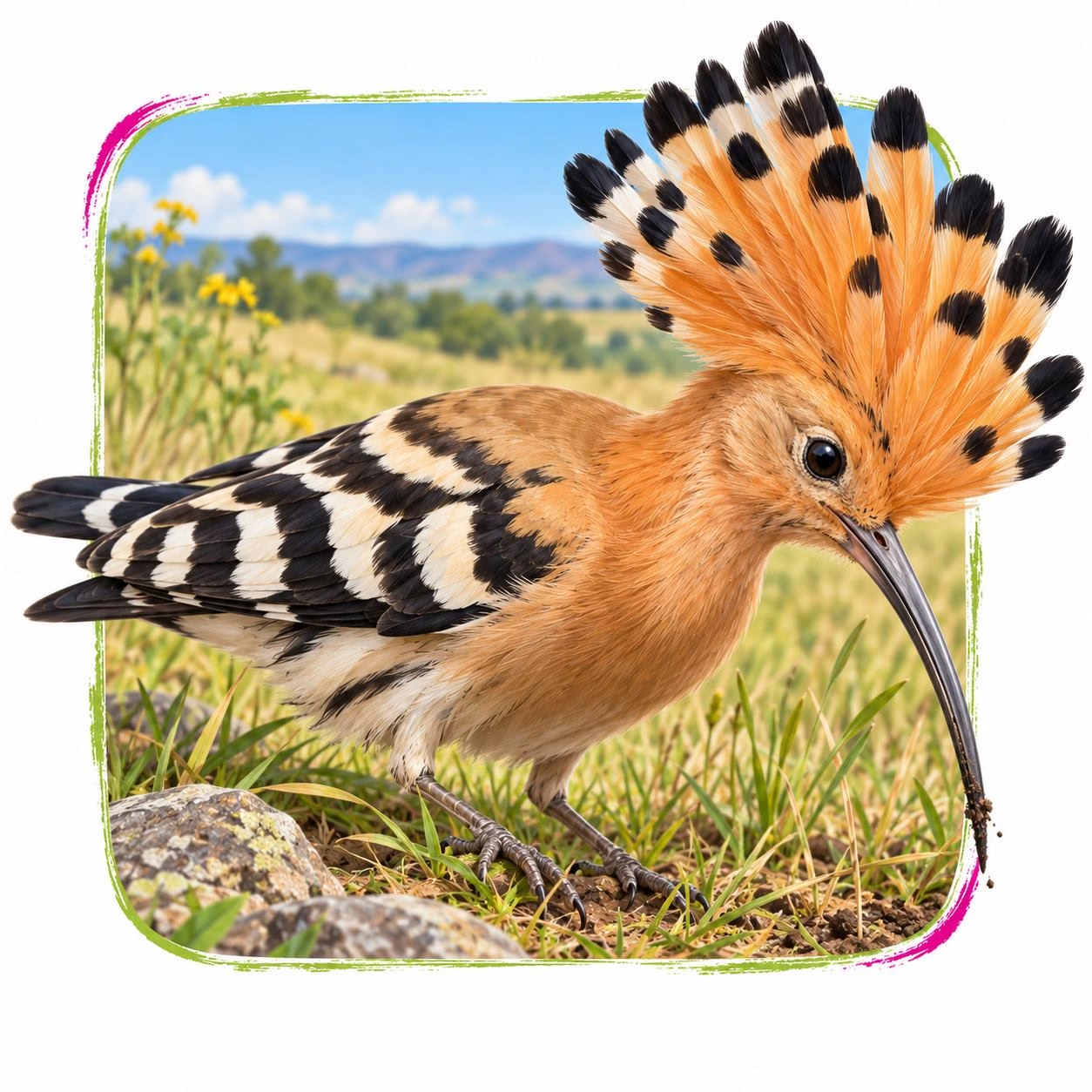
Hoopoe in its natural Grasslands habitat