
Jellyfish Facts for Kids
Jellyfish are soft sea animals with jellylike bodies, no bones, and trailing tentacles. They drift through oceans around the world and use stinging cells to catch tiny prey.
Quick Jellyfish Facts
- Animal Type: Invertebrate
- Group: Cnidarian
- Known For: Jelly body and stinging tentacles
- Habitat: Oceans, seas, coastal waters, and sometimes deep water
- Diet: Plankton, tiny fish, fish eggs, shrimp, and small sea animals
What You’ll Learn
Learn 10 fun jellyfish facts for kids with simple explanations, kid facts, quiz, glossary, and a jellyfish activity.
These jellyfish facts for kids are written in a simple way for kids, parents, teachers, and curious little fact-hunters.
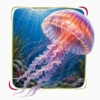
10 Fun Jellyfish Facts for Kids
1. Jellyfish Have No Bones
Jellyfish do not have bones, brains, or hearts like many animals. Their soft bodies are mostly water.
Kid Decode: A jellyfish is a drifting blob of ocean science.
2. Jellyfish Have Bell-Shaped Bodies
The main body of a jellyfish is often called a bell. It opens and closes to help the jellyfish move.
Kid Decode: The jellyfish bell is a wobbly ocean umbrella.
3. Jellyfish Use Tentacles
Jellyfish have tentacles hanging from their bodies. Tentacles help catch prey and defend against danger.
Kid Decode: Jellyfish tentacles are floating feeler strings.
4. Jellyfish Can Sting
Many jellyfish have stinging cells on their tentacles. These cells help paralyze tiny prey.
Kid Decode: Jellyfish stings are tiny spring-loaded zaps.
5. Jellyfish Drift With Currents
Jellyfish can pulse their bodies, but ocean currents move them a lot too. They are expert drifters.
Kid Decode: Jellyfish travel by wobble and current.
6. Jellyfish Eat Plankton and Tiny Animals
Many jellyfish eat plankton, fish eggs, shrimp, and small sea animals. Larger jellyfish may eat small fish too.
Kid Decode: Jellyfish meals are mostly tiny ocean snacks.
7. Jellyfish Live in All Oceans
Jellyfish are found in oceans around the world, from warm shallow seas to deep dark waters.
Kid Decode: Jellyfish have floated into almost every blue neighborhood.
8. Jellyfish Are Related to Corals
Jellyfish are cnidarians, a group that also includes corals and sea anemones.
Kid Decode: Jellyfish have some very flowery ocean cousins.
9. Sea Turtles Eat Jellyfish
Some sea turtles, especially leatherbacks, eat jellyfish. Jellyfish are part of the ocean food web.
Kid Decode: For some turtles, jellyfish are squishy snacks.
10. Jellyfish Blooms Can Happen
Sometimes many jellyfish gather in one area, called a bloom. Blooms can happen when conditions help jellyfish multiply.
Kid Decode: A jellyfish bloom is a floating jelly crowd.
New Jellyfish Fact for Kids
Citizen Scientists Help Track Jellyfish in UK Waters
The Marine Conservation Society is asking volunteers to report jellyfish sightings in UK waters. Moon jellyfish and barrel jellyfish are the most common. Jellyfish are sensitive to changes in the ocean, so tracking them helps scientists learn about water temperature, currents, and pollution. Leatherback turtles often follow jellyfish blooms.
The Weirdest Jellyfish Fact
A jellyfish has no bones, brain, or heart, yet it can swim, sting, eat, and survive in the ocean.
Try This Jellyfish Activity
Jellyfish Drawing Activity
Draw a jellyfish floating in the ocean. Add a bell-shaped body, long tentacles, bubbles, tiny plankton dots, glowing water, and a sea turtle nearby.
Quick Jellyfish Quiz
- Do jellyfish have bones? Answer: No.
- What are the hanging feelers called? Answer: Tentacles.
- What do jellyfish use to catch prey? Answer: Stinging cells.
- What is a large group of jellyfish called? Answer: A bloom.
- What animal group includes jellyfish and corals? Answer: Cnidarians.
Mini Glossary
- Tentacles: Long flexible body parts used for sensing or catching food.
- Cnidarian: An animal group that includes jellyfish, corals, and sea anemones.
- Plankton: Tiny living things that drift in water.
- Bloom: A large gathering of jellyfish in one area.
- Invertebrate: An animal without a backbone.



More Animal Facts for Kids
Visit the full animal facts library or explore a focused animal group.
More Extinct Animal Facts for Kids
Discover dinosaurs, Ice Age giants, prehistoric sea creatures, recently extinct species, and other animals from the past.
Fact check note: Fact checked with Britannica Kids jellyfish resources, Britannica jellyfish resources, Britannica student jellyfish resources, and trusted marine wildlife education references.
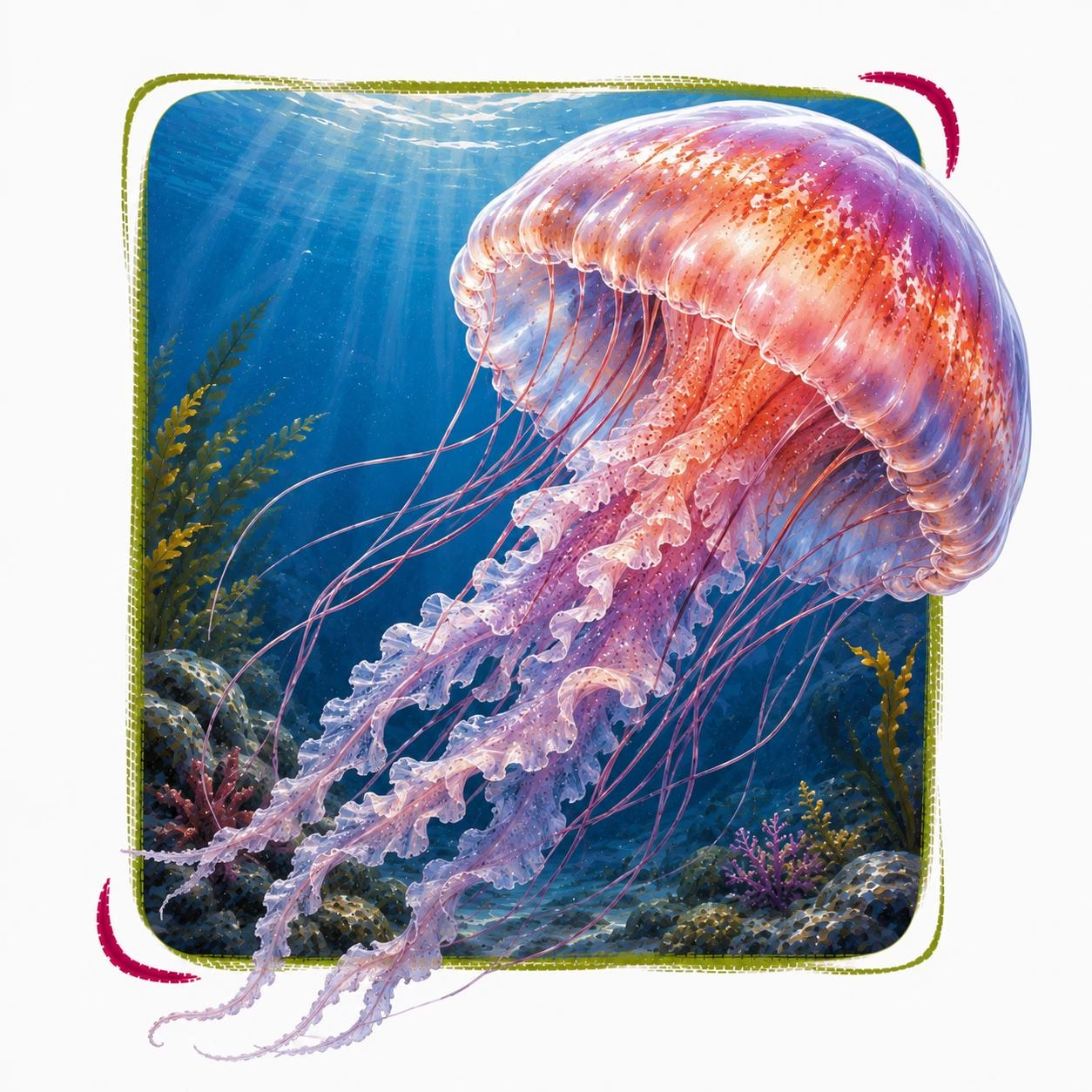
Jellyfish in its natural Oceans habitat