
Kangaroo Facts for Kids
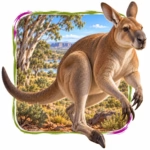
Kangaroos are amazing marsupials known for hopping, strong back legs, long tails, and babies called joeys. They are one of Australia’s most famous animals and are built for life on open grasslands, woodlands, and scrublands.
Quick Kangaroo Facts
- Animal Type: Mammal
- Group: Marsupial
- Known For: Hopping and pouches
- Habitat: Grasslands, woodlands, and scrublands
- Diet: Mostly grasses and plants
What You’ll Learn
Explore 10 amazing kangaroo facts for kids about hopping, pouches, joeys, powerful legs, and more, plus a quiz, glossary, and activity
Clear explanations make them fun for children, parents, teachers, and little fact-hunters everywhere.
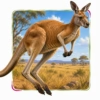
10 Fun Kangaroo Facts for Kids
1. Kangaroos Are Marsupials
Kangaroos are marsupials, which means their babies are born very tiny and continue growing in the mother’s pouch.
Kid Decode: Kangaroo babies get a cozy pouch nursery.
2. Baby Kangaroos Are Called Joeys
A baby kangaroo is called a joey. After birth, the tiny joey crawls into its mother’s pouch and drinks milk as it grows.
Kid Decode: A joey is a pocket-sized baby with a giant future.
3. Kangaroos Use Hopping to Move
Kangaroos move by hopping on powerful back legs. Hopping helps them travel across open land efficiently.
Kid Decode: Kangaroos bounce through life on springy legs.
4. Kangaroos Have Strong Tails
A kangaroo’s tail helps with balance while hopping and can also support the body when moving slowly.
Kid Decode: A kangaroo tail works like a built-in balance stick.
5. Kangaroos Have Big Back Feet
Kangaroos have large back feet that help them push off the ground when they hop. Their feet are made for strong jumps.
Kid Decode: Kangaroo feet are nature’s jumping shoes.
6. Kangaroos Live in Groups
Kangaroos often gather in groups called mobs, troops, or herds. Living near others helps them watch for danger.
Kid Decode: A kangaroo mob is a bouncy neighborhood.
7. Kangaroos Are Herbivores
Kangaroos eat plants such as grasses, leaves, and shoots. Their teeth help them grind tough plant food.
Kid Decode: A kangaroo’s menu is mostly green and crunchy.
8. Kangaroos Are Found in Australia
Kangaroos are closely linked with Australia and are one of the country’s most famous animals.
Kid Decode: Spot a kangaroo, and Australia pops into your mind.
9. Kangaroos Can Jump Far
With powerful legs and elastic tendons, kangaroos can make long jumps when moving quickly.
Kid Decode: Kangaroos can turn one hop into a mini flight.
10. Kangaroos Watch for Predators
Kangaroos use sharp senses to notice danger. If frightened, they may hop away quickly or warn others nearby.
Kid Decode: Kangaroos keep their eyes open for trouble in the grass.
The Weirdest Kangaroo Fact
Kangaroos are not good at walking backward because their large feet and strong tail make backward movement difficult.
Try This Kangaroo Activity
Kangaroo Drawing Activity
Draw a kangaroo hopping across a sunny Australian grassland. Add big back feet, a strong tail, a joey in the pouch, and a few gum trees nearby.
Quick Kangaroo Quiz
- What is a baby kangaroo called? Answer: A joey.
- Where does a joey grow after birth? Answer: In its mother’s pouch.
- What do kangaroos use to move quickly? Answer: Powerful back legs.
- Are kangaroos herbivores or carnivores? Answer: Herbivores.
- What can a kangaroo’s tail help with? Answer: Balance and support.
Mini Glossary
- Marsupial: A mammal whose baby often grows in a pouch.
- Joey: A baby kangaroo.
- Pouch: A skin pocket where a joey grows and drinks milk.
- Herbivore: An animal that eats plants.
- Mob: A group of kangaroos.
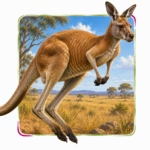
 Garter Snake Facts for Kids
 Common Snapping Turtle Facts for Kids
 Krill Facts for Kids
 Aysheaia Facts for Kids
More Animal Facts for Kids
Visit the full animal facts library or explore a focused animal group.
More Extinct Animal Facts for Kids
Discover dinosaurs, Ice Age giants, prehistoric sea creatures, recently extinct species, and other animals from the past.
Fact check note: Fact checked with Britannica Kids kangaroo resources and trusted wildlife education references.

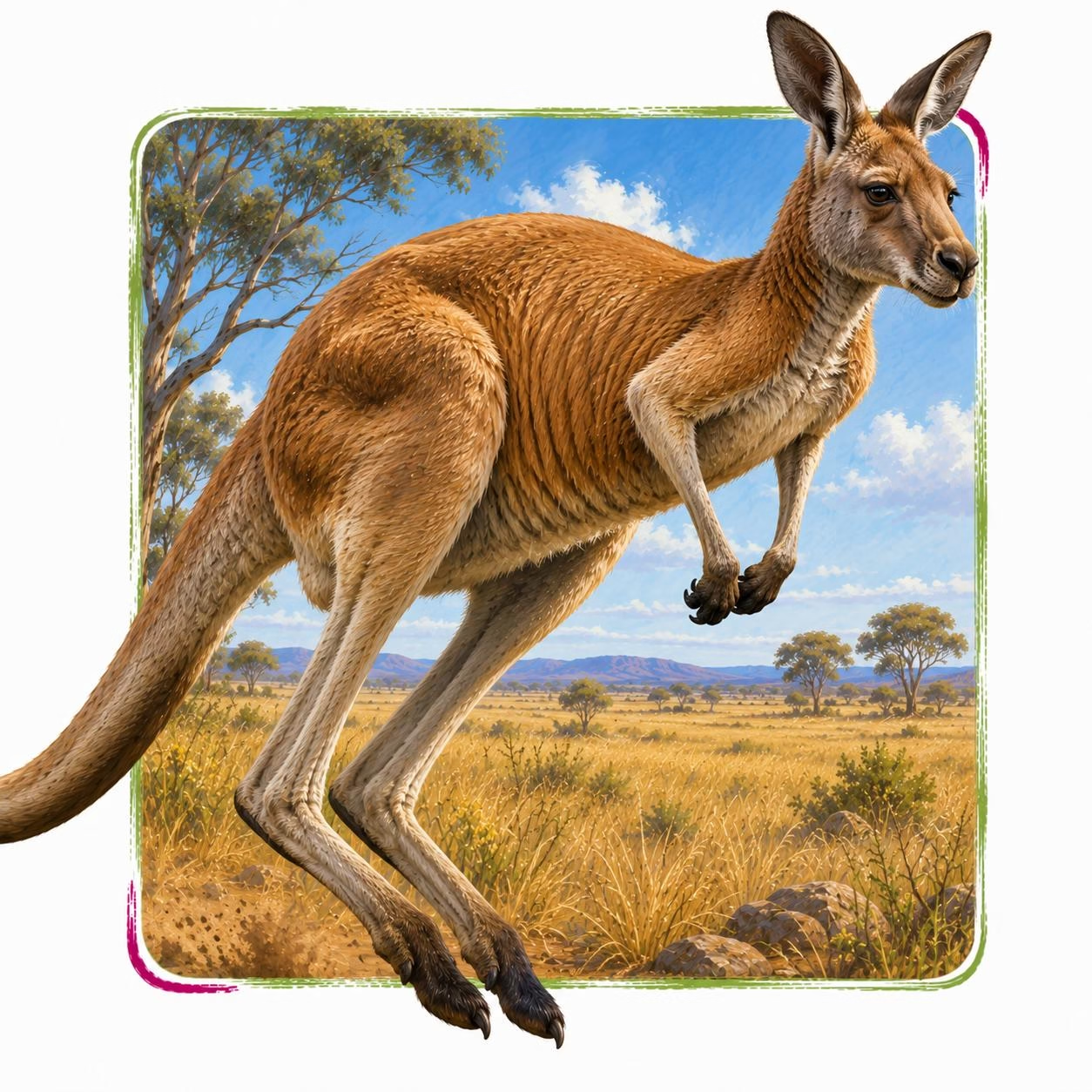
Kangaroo in its natural Grasslands habitat